SERPE-CO blog
The Rebar Report.
SERPE-CO's concrete restoration blog: straight talk for South Florida condo boards and property managers on what the warning signs mean, what the law requires and how to plan the repairs.
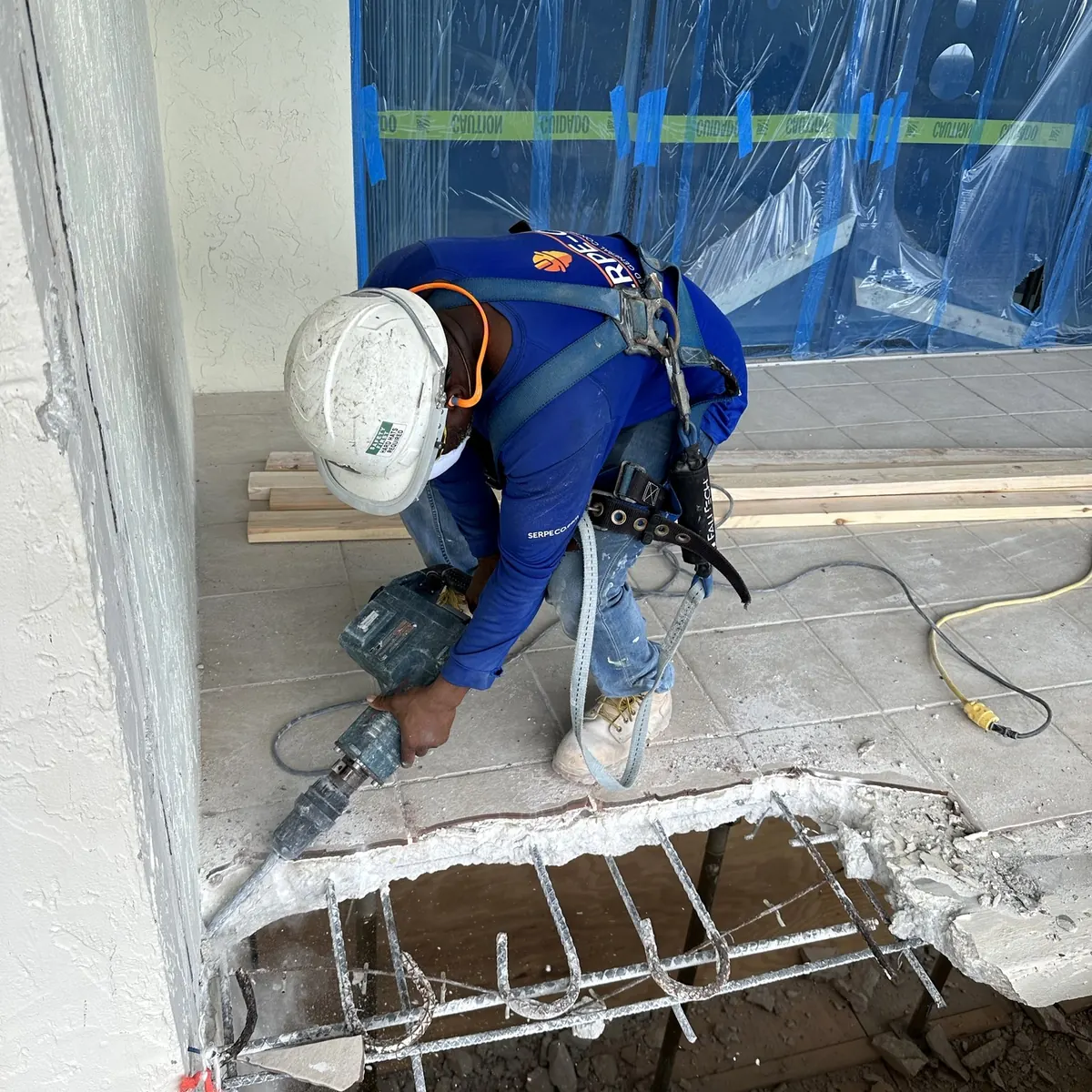 Spalling Concrete on Florida Condos: Causes, Warning Signs and Repairs
Why balcony edges, columns and garage ceilings break apart on coastal condos, the signs to watch, and how a repair that lasts is built.
Read the article
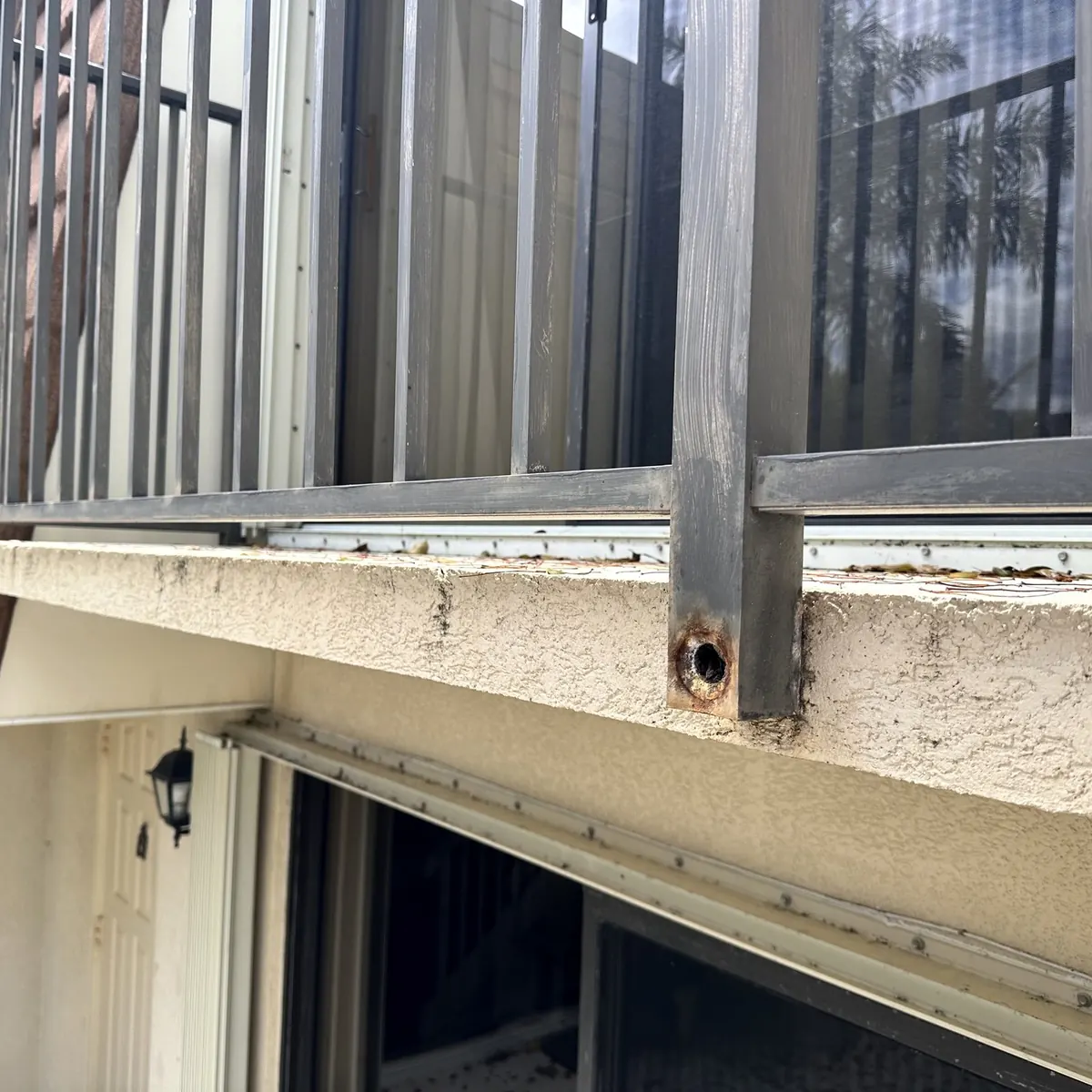 Rust Stains on Concrete: What They Mean for Your Condo Building
A brown streak on a balcony edge can be the first sign of corroding rebar. Here is how condo boards can read rust stains and what to do next.
Read the article
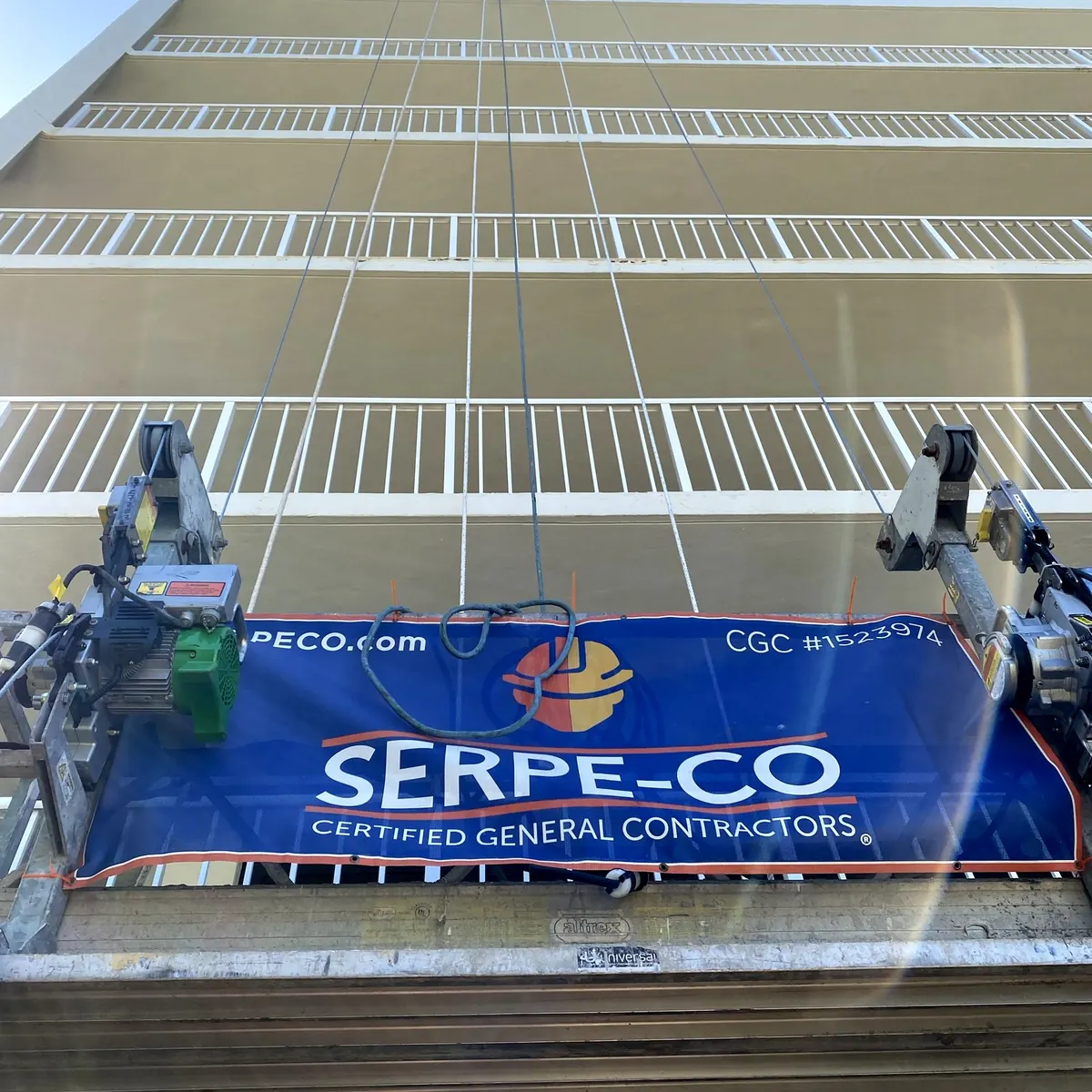 The 40-Year Recertification in Miami-Dade: What Changed and What Comes Next
Miami-Dade's famous 40-year program now starts at 30 years, or 25 on the coast. What boards need to know about schedules, the state milestone and the repairs that follow.
Read the article
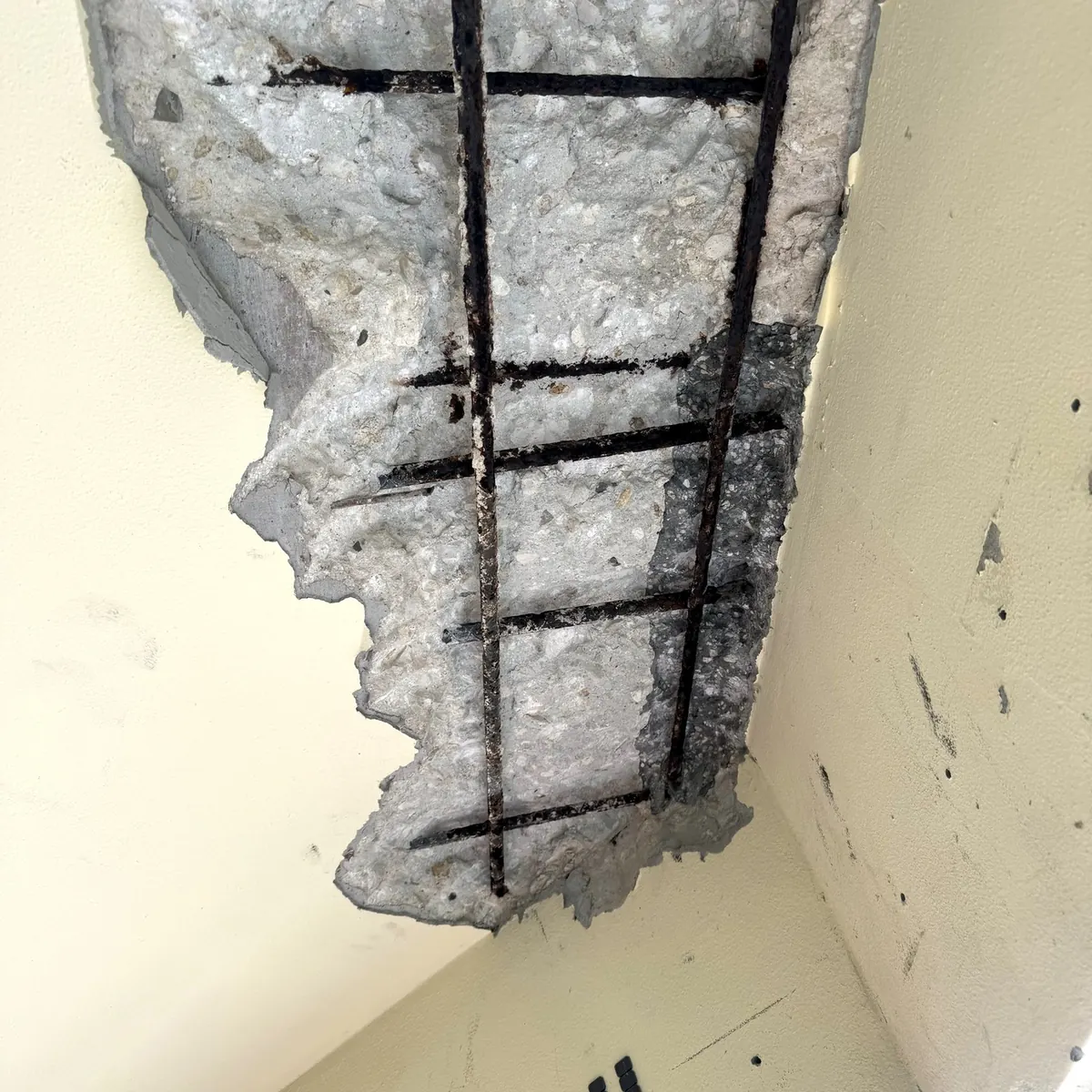 Concrete Cancer on Florida Condos: How Rebar Corrosion Spreads and What Boards Should Do
The nickname for rebar corrosion, why salt air speeds it up, how it spreads out of sight, and the steps condo boards can take before concrete starts falling.
Read the article
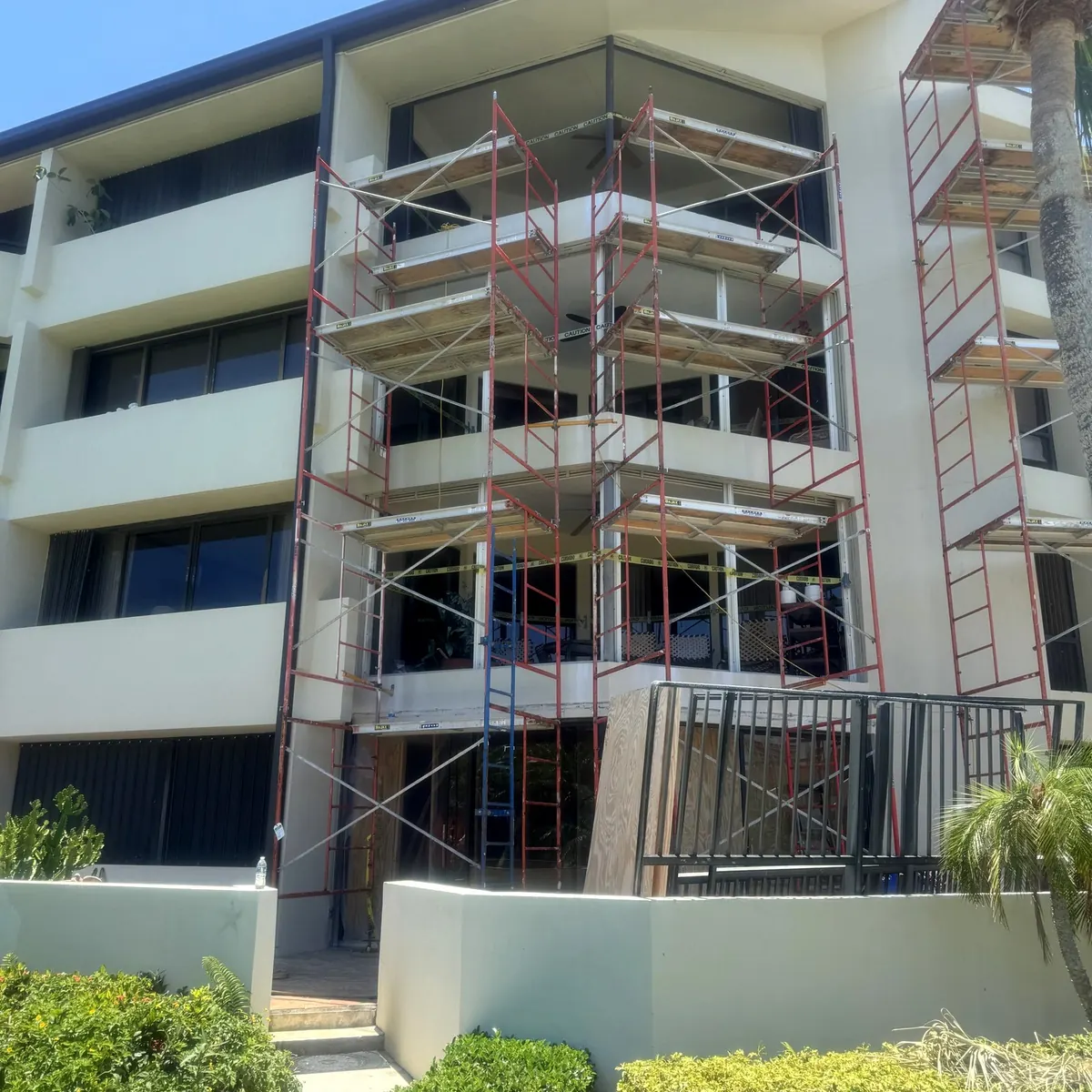 Special Assessment Condo Planning: How Boards Prepare for Concrete Repairs
Why concrete and milestone repairs lead to special assessments, how SIRS reserves and financing fit in, and what boards can do early to plan.
Read the article
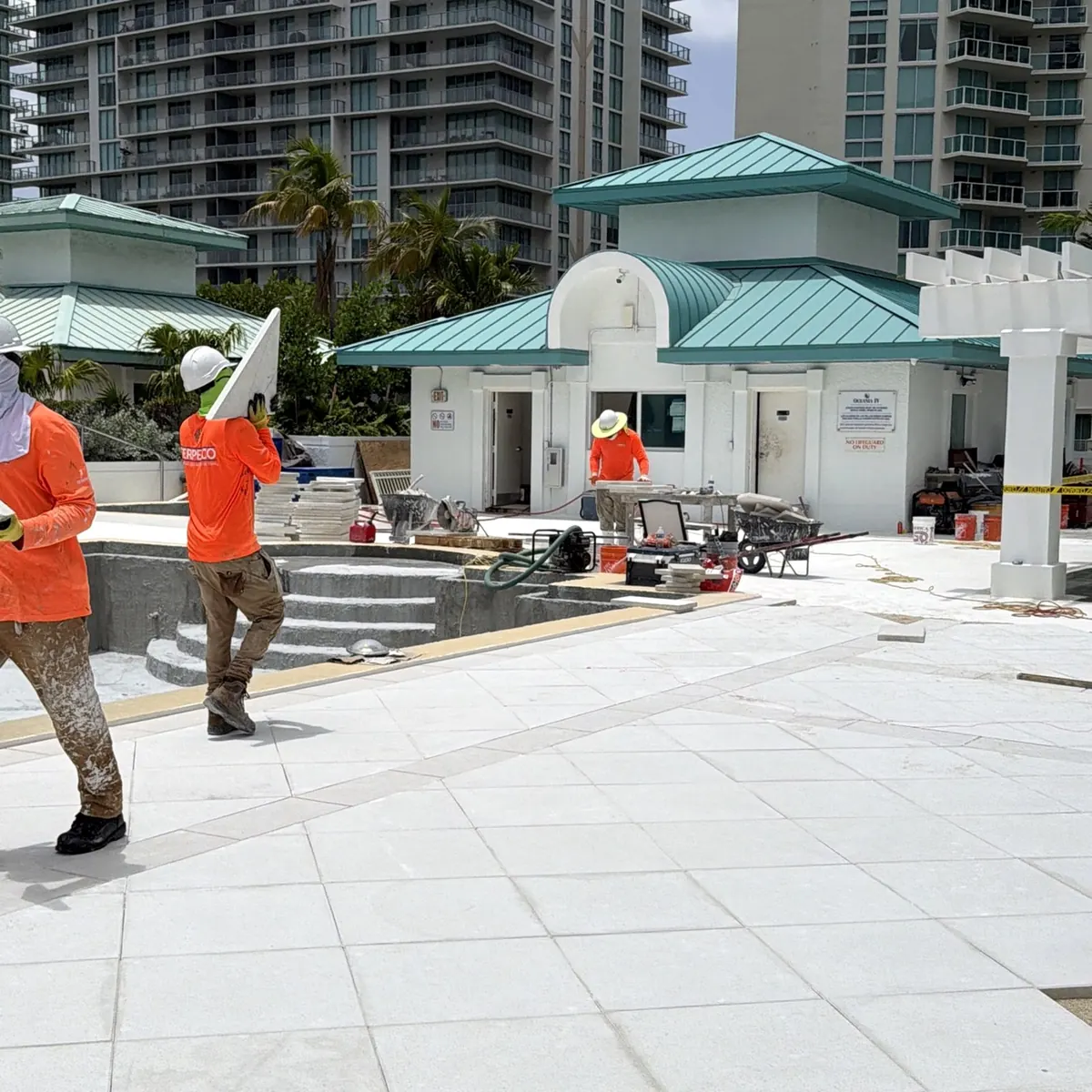 Pool Deck Resurfacing for Florida Condominiums: Surfaces, Leaks and Planning
On many condos the pool deck is also a roof. How to spot trouble, choose pavers or coatings, and plan the deck and pool shell so the amenity closes once.
Read the article
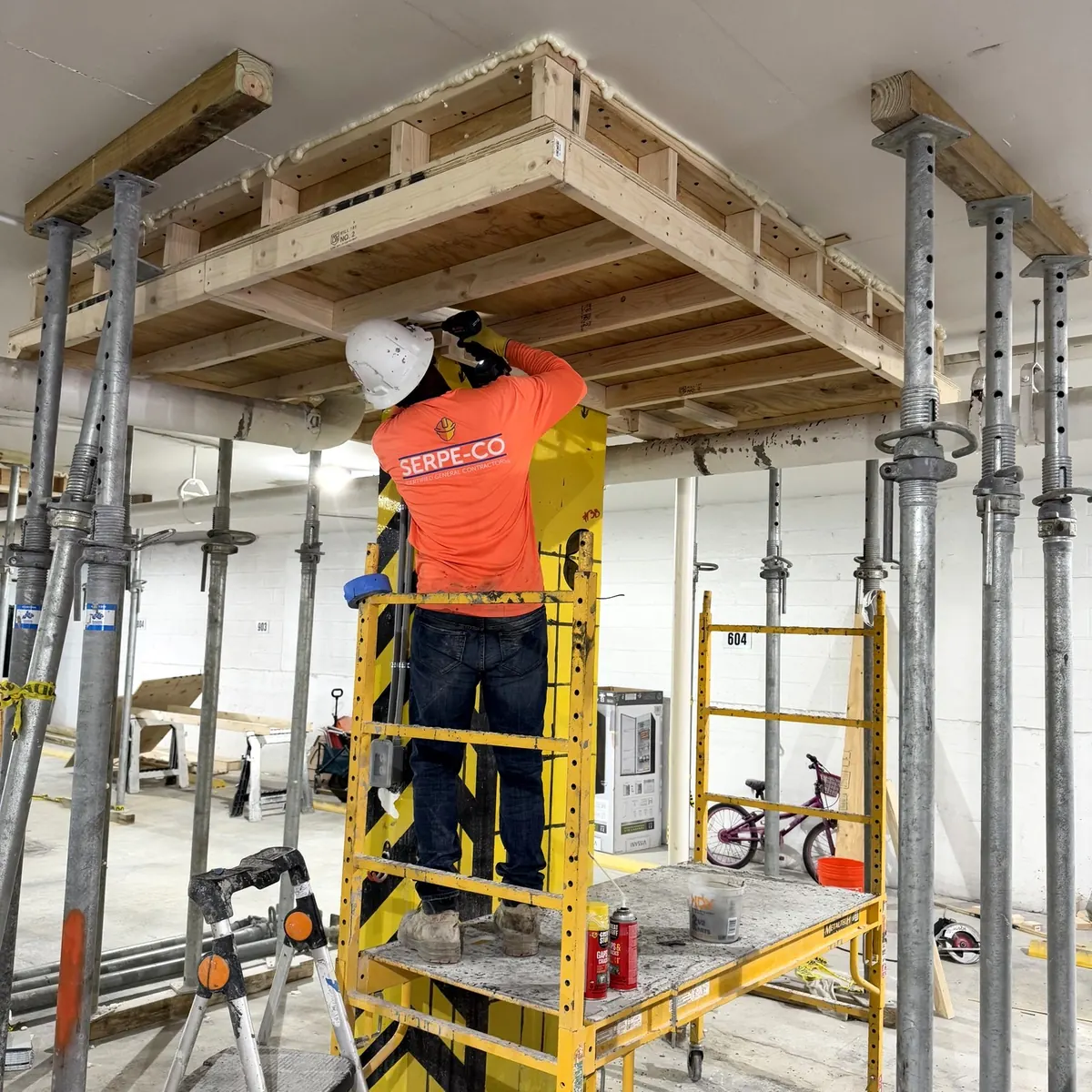 Concrete Delamination on Condo Buildings: Sounding, Risks and Repairs
Hollow-sounding concrete often looks fine until it falls. Here is what delamination means for condo balconies and garages, and how the repair is built.
Read the article
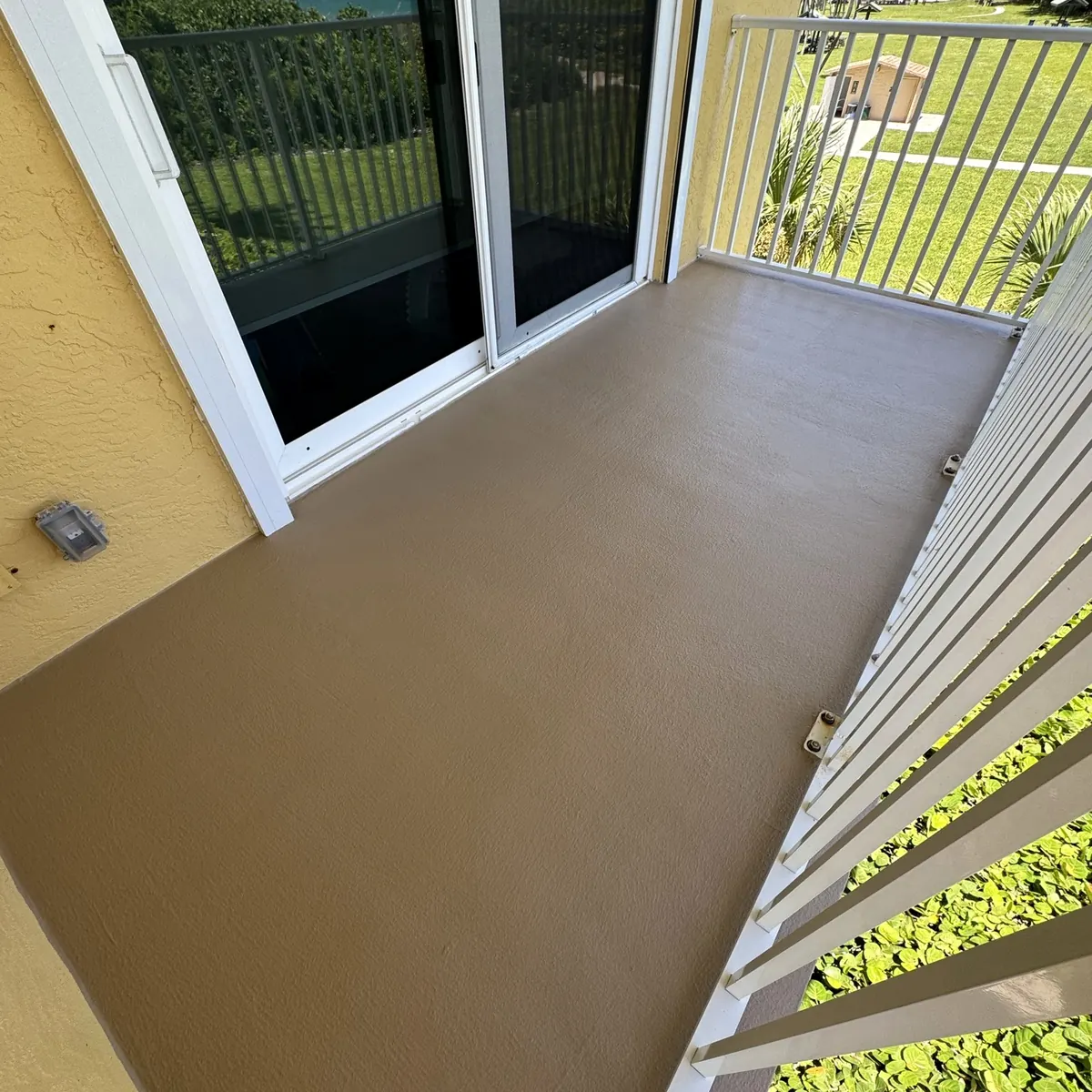 Balcony Waterproofing for Florida Condos: Membranes, Edges and When to Redo It
Where water gets into condo balconies, how coatings, slab edges and railing posts work together, and the signs it is time to plan the next recoat.
Read the article
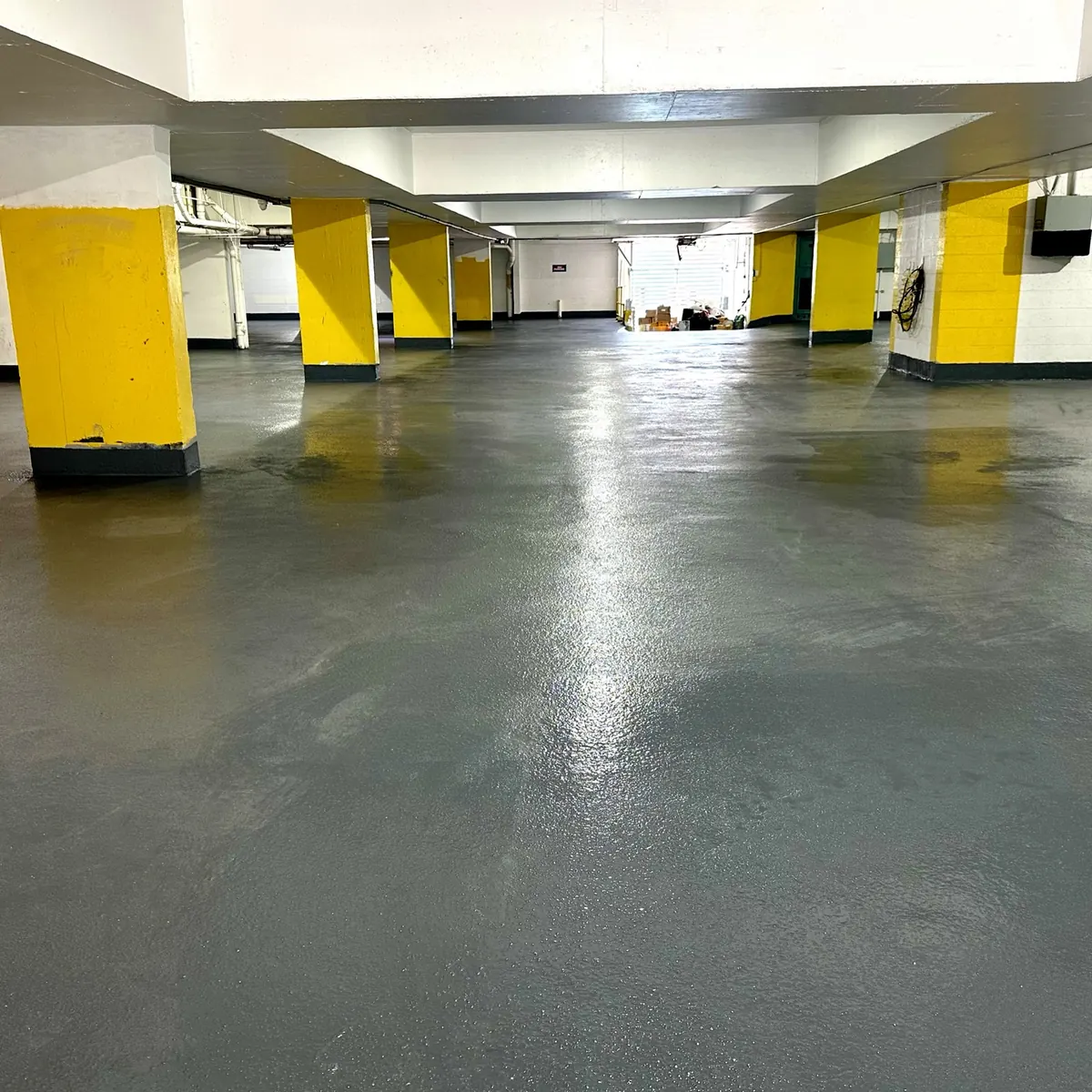 Traffic Coating for Condo Parking Garages: What It Protects and When to Redo It
What a garage traffic coating does, the signs it is wearing out, why concrete repair comes first, and how to phase the work so residents keep parking.
Read the article
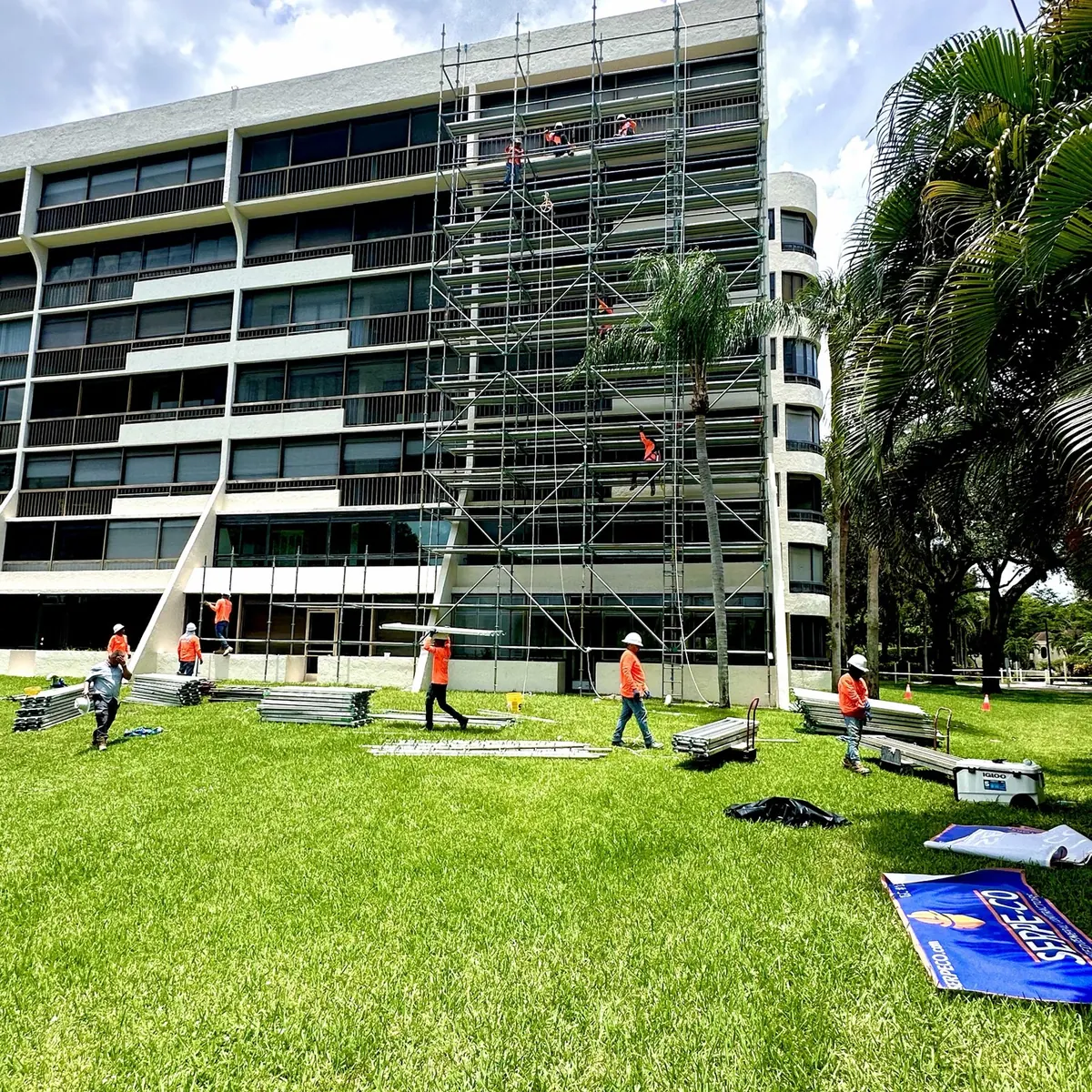 Stucco Repair on Mid and High-Rise Condos: Cracks, Waterproofing and Repainting
How stucco cracks and hollow areas form on coastal condos, why repair comes before repaint, and how swing stages and scaffolding fit the plan.
Read the article
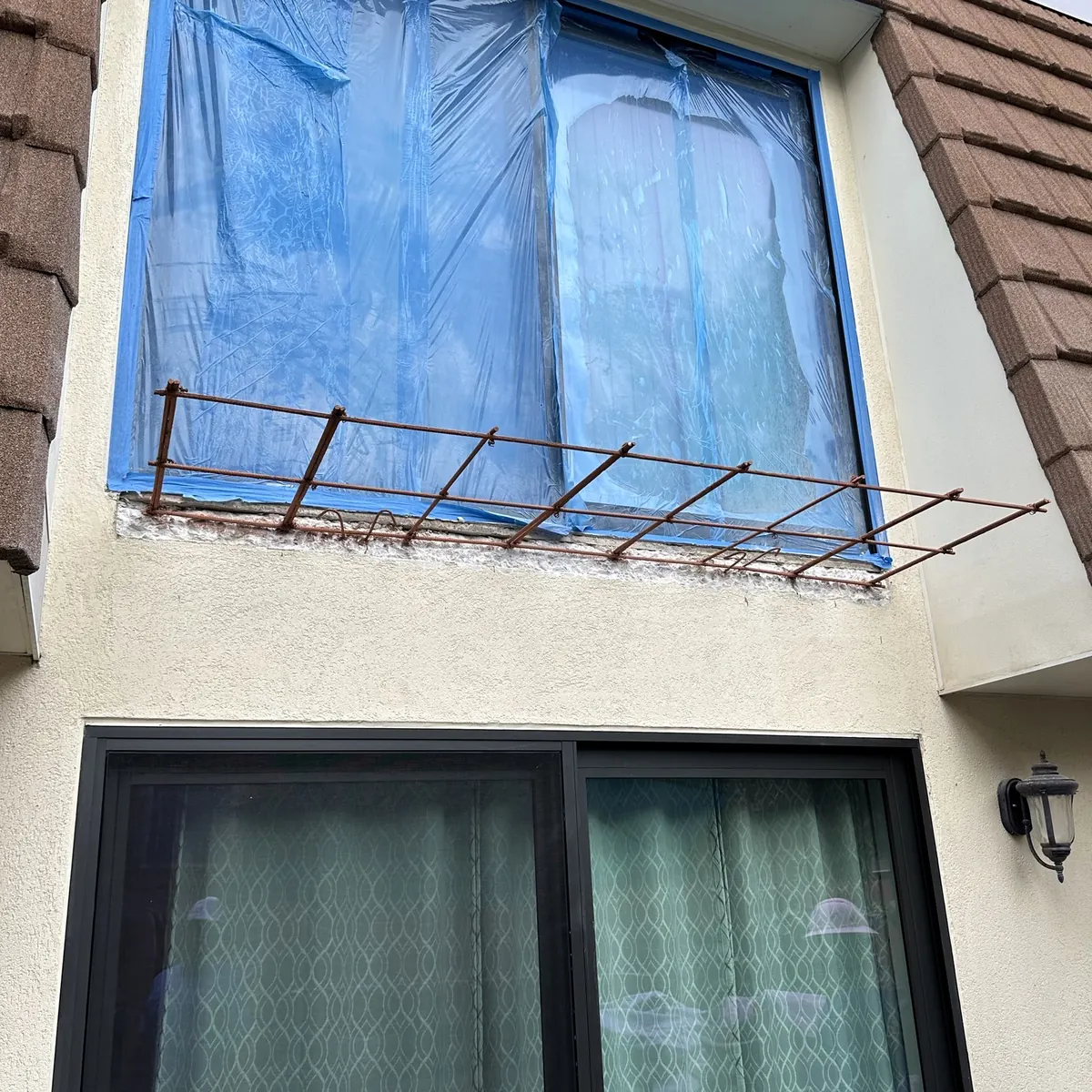 Condo Balcony Repair, Step by Step: From the Engineer's Survey to a New Railing
What happens when a balcony is opened up: the survey, shoring, concrete removal, steel, new concrete, waterproofing and the railing going back on.
Read the article
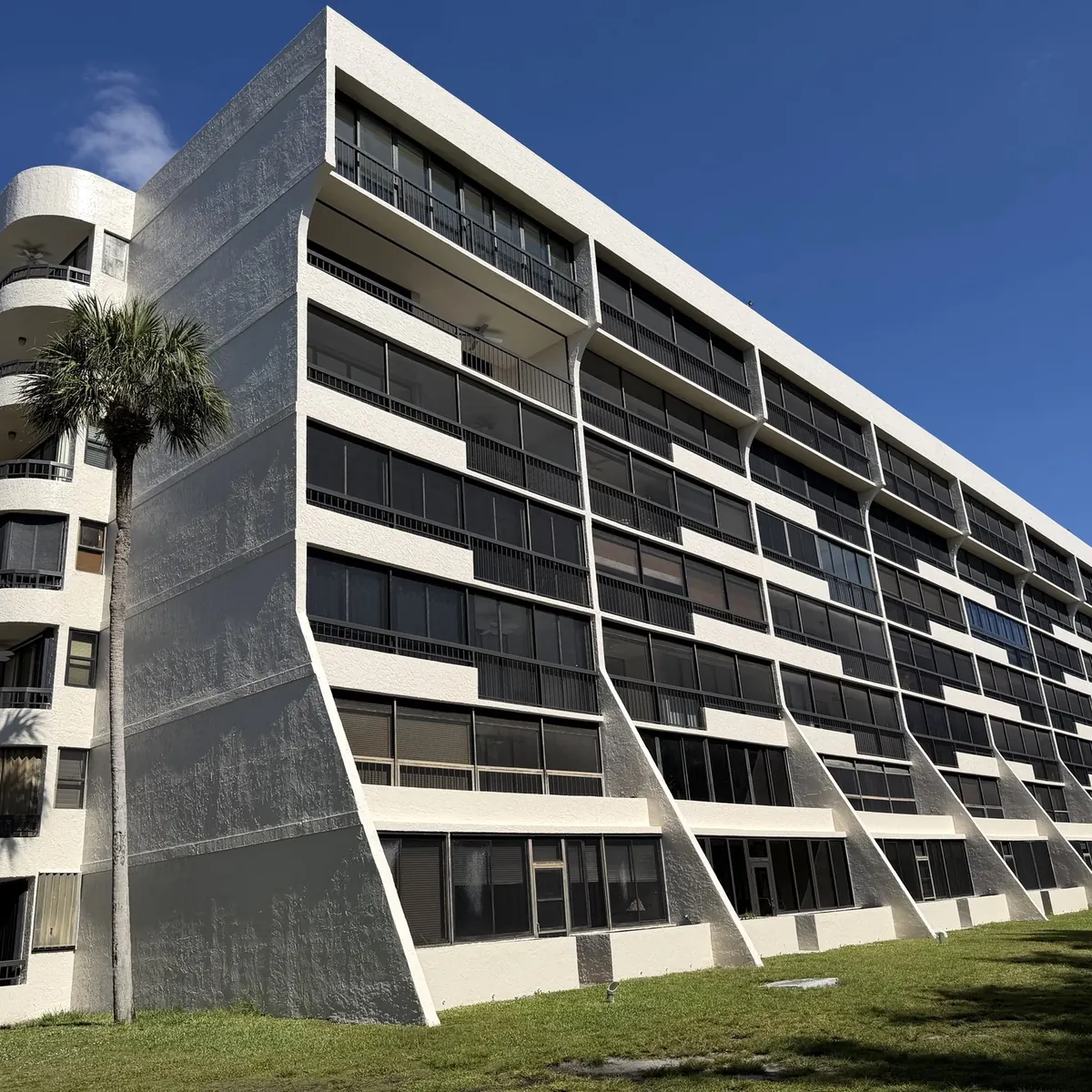 Broward County 40 Year Recertification: Why It Now Starts at 25 Years
The old 40-year label stuck, but Broward's Building Safety Inspection Program starts at 25 years. How Policy 05-05 works and what follows the report.
Read the article
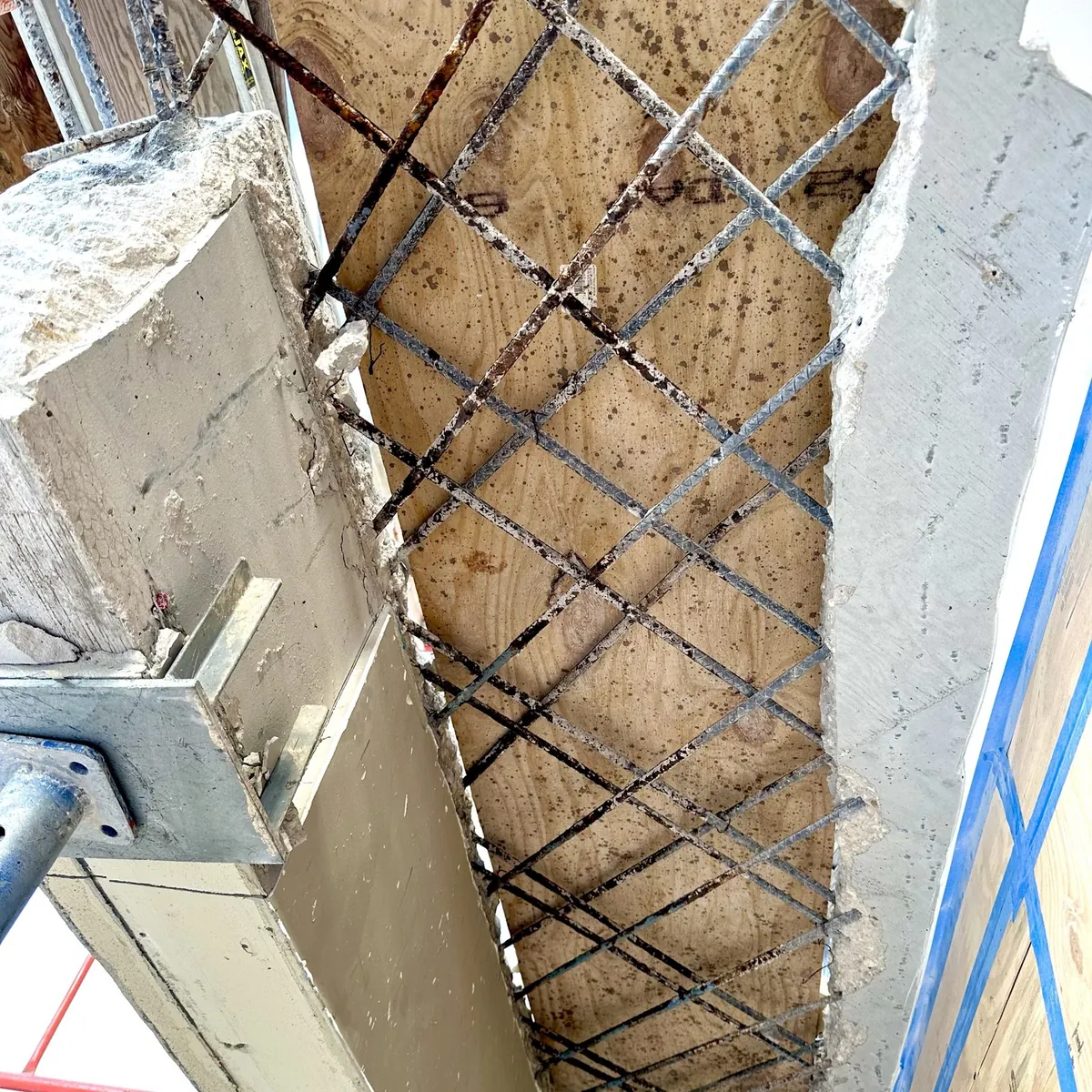 Cathodic Protection in Condo Concrete Repair: How Anodes Slow Corrosion
Why new patches sometimes cause damage next door, and how galvanic anodes and other cathodic protection systems help repairs last on coastal buildings.
Read the article
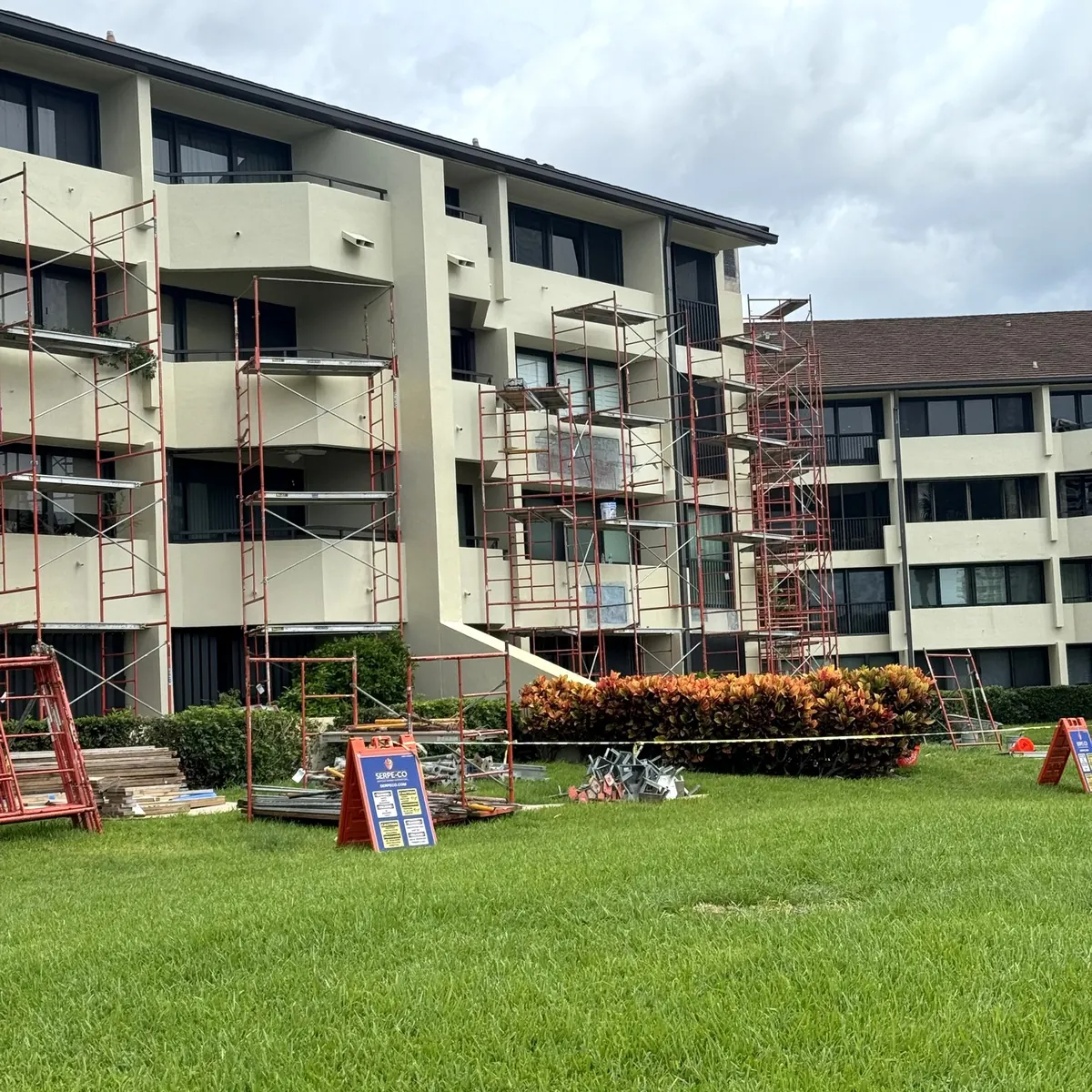 Hiring a Commercial Painting Contractor for a Condo: 7 Questions to Ask
On a condo tower, painting is waterproofing at height. Seven questions that separate a qualified contractor from a quick repaint.
Read the article
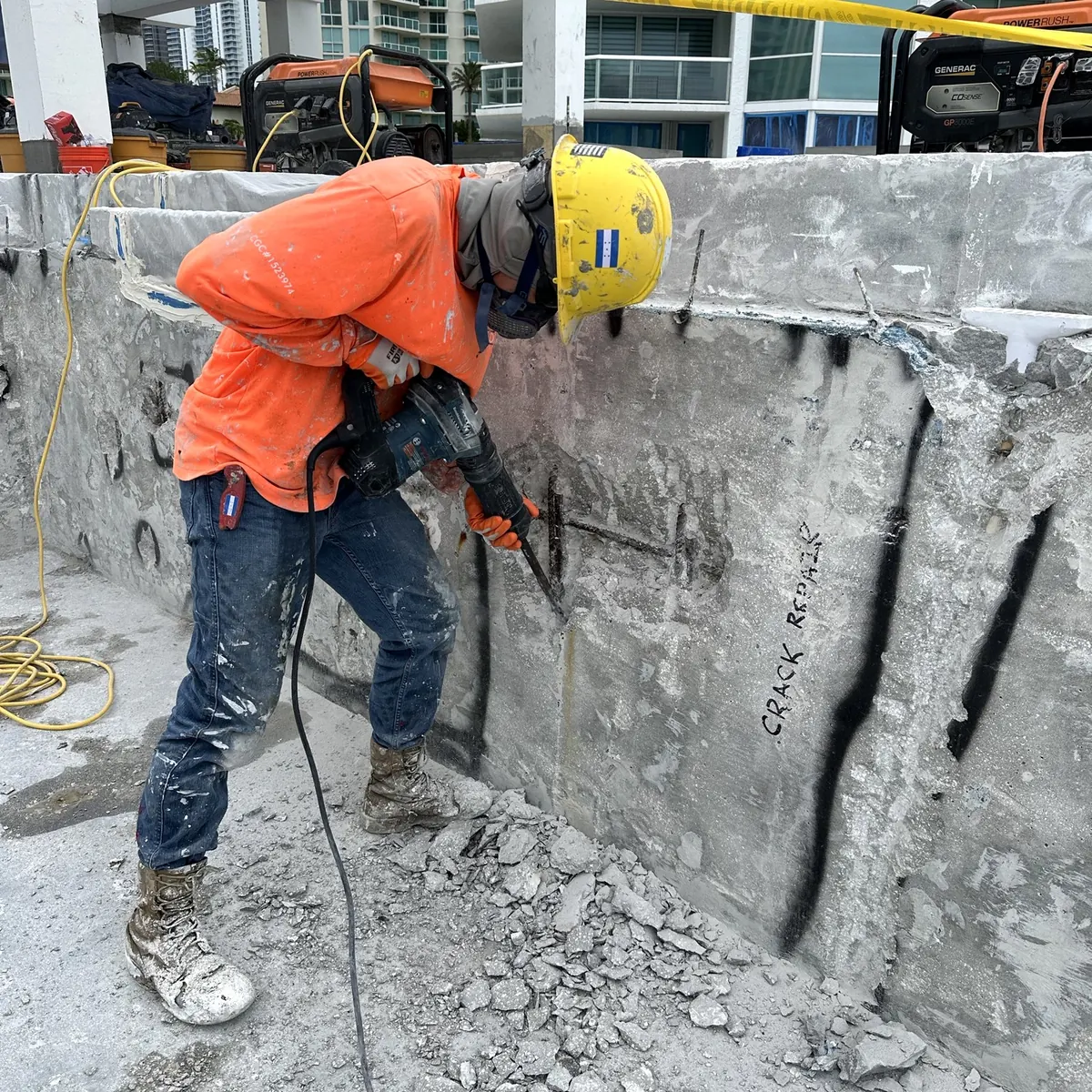 Concrete Crack Repair on Condominiums: Which Method Fits Which Crack
Not every crack needs the same fix. Five common repair methods, what each one does and why the engineer decides first.
Read the article
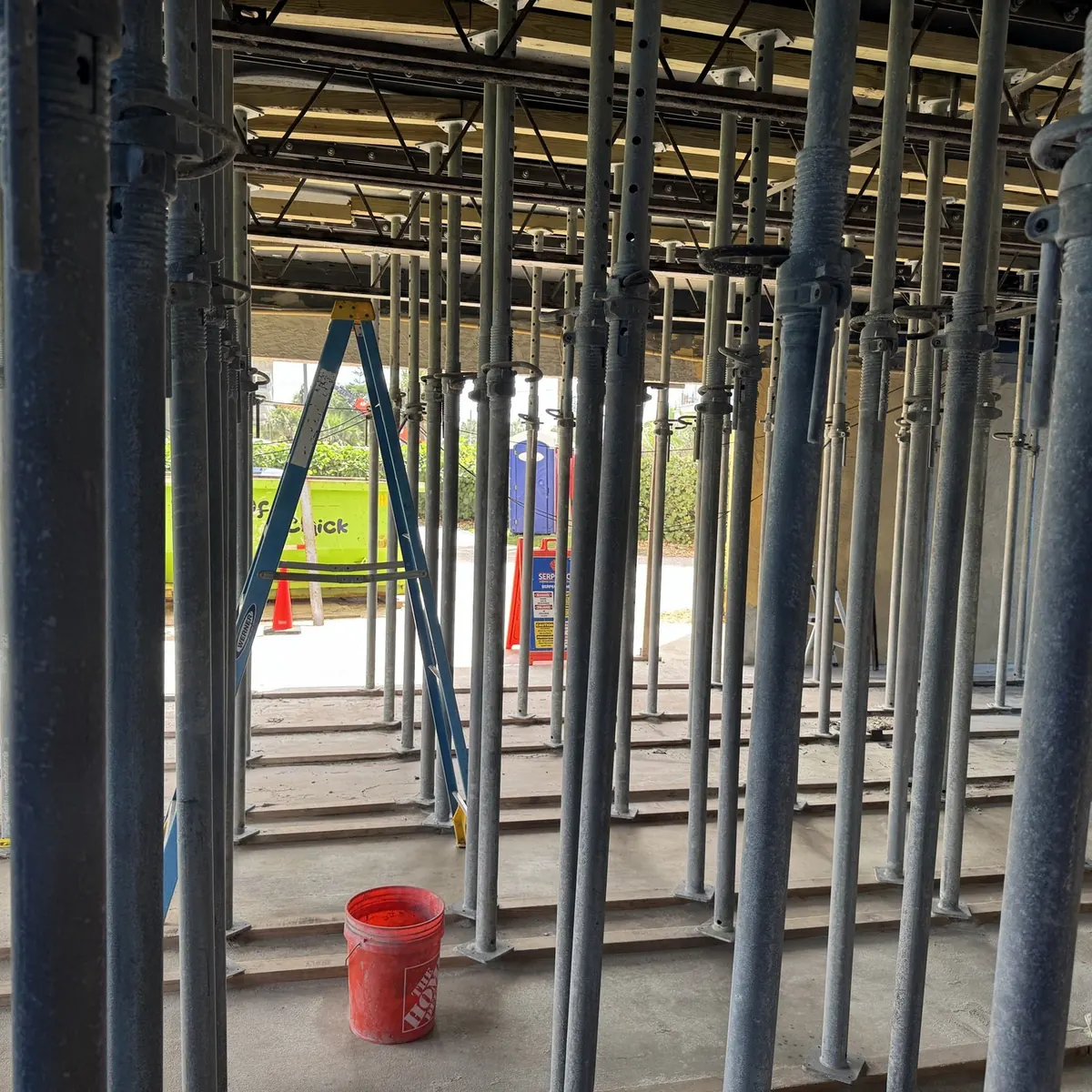 Concrete Shoring in Condo Repairs: Why Temporary Supports Go In First
Before a balcony or garage slab is opened, temporary supports take the load. Who designs shoring, where it goes and what residents see.
Read the article
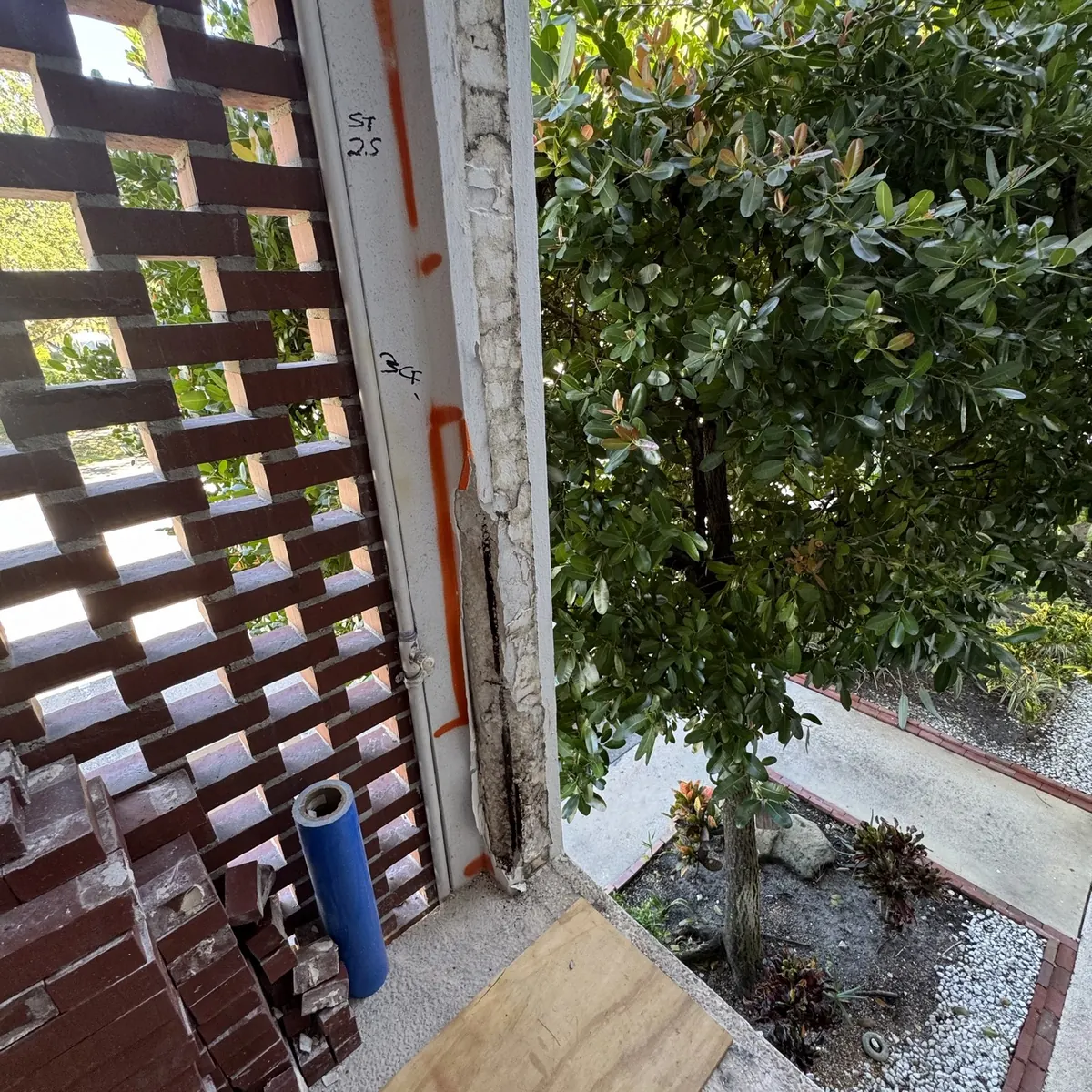 Efflorescence on Condo Concrete and Stucco: What the White Stains Mean
White, chalky stains on walls, garages and balconies are salts carried by water. When they are cosmetic, when they point to a leak and what to do.
Read the article
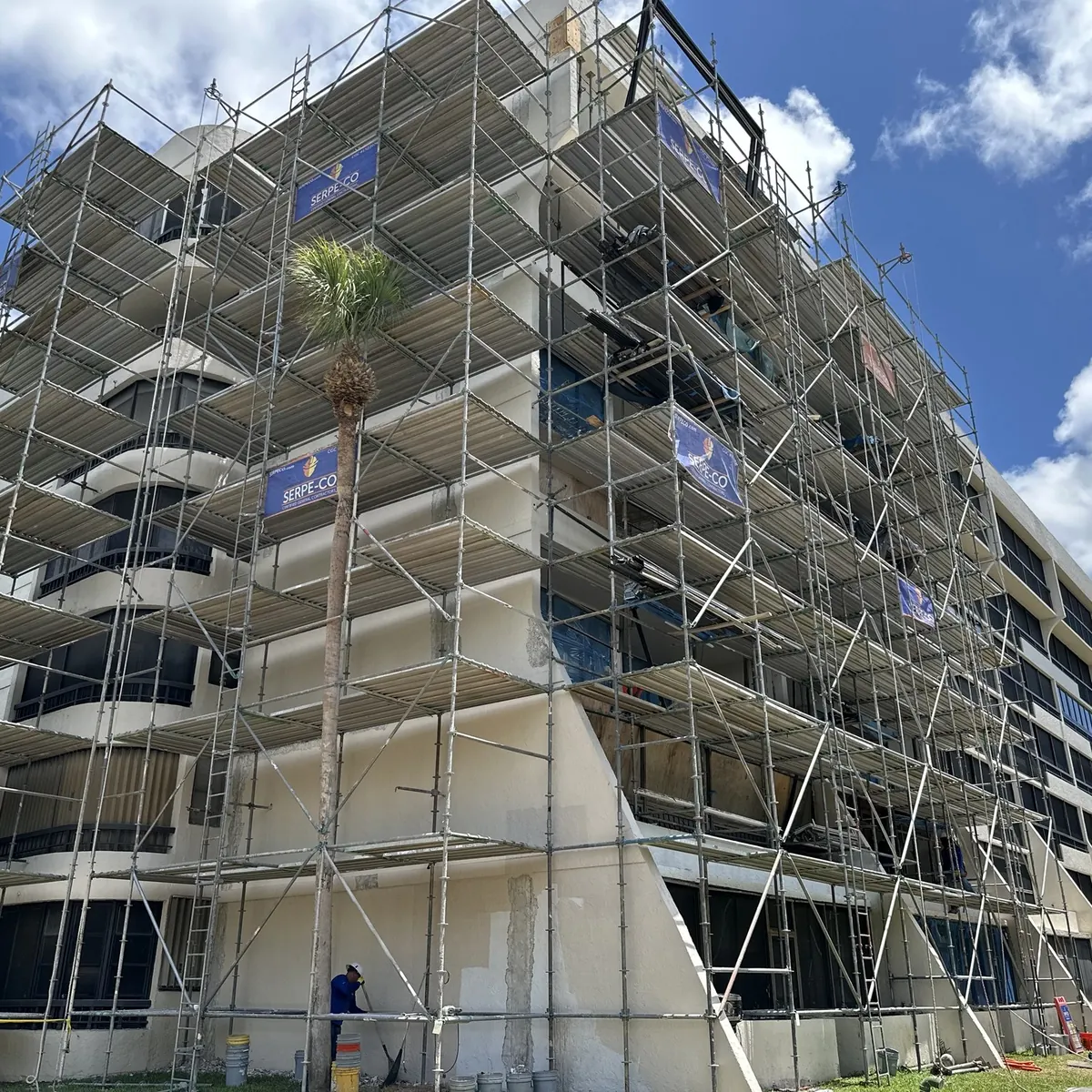 Elastomeric Paint on Florida Condominiums: How It Protects the Building
The thick, flexible coating on many Florida condos is waterproofing, not just color. How it works, where it fails and why repairs come first.
Read the article
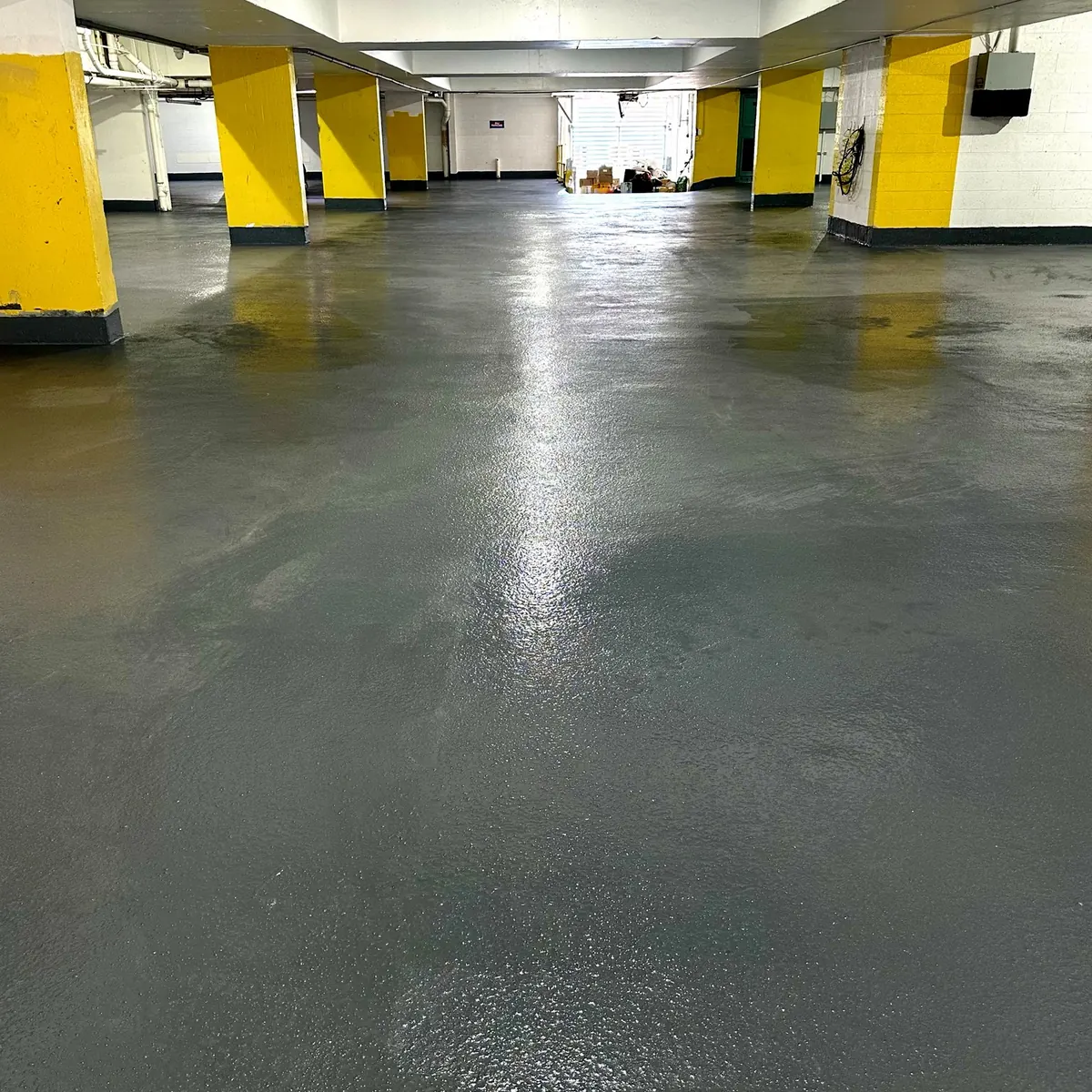 Expansion Joint Repair in Condo Garages, Decks and Walkways
The joints that let a building move are also where water gets in. How they fail, how repairs work and why garages leak at the same spots.
Read the article
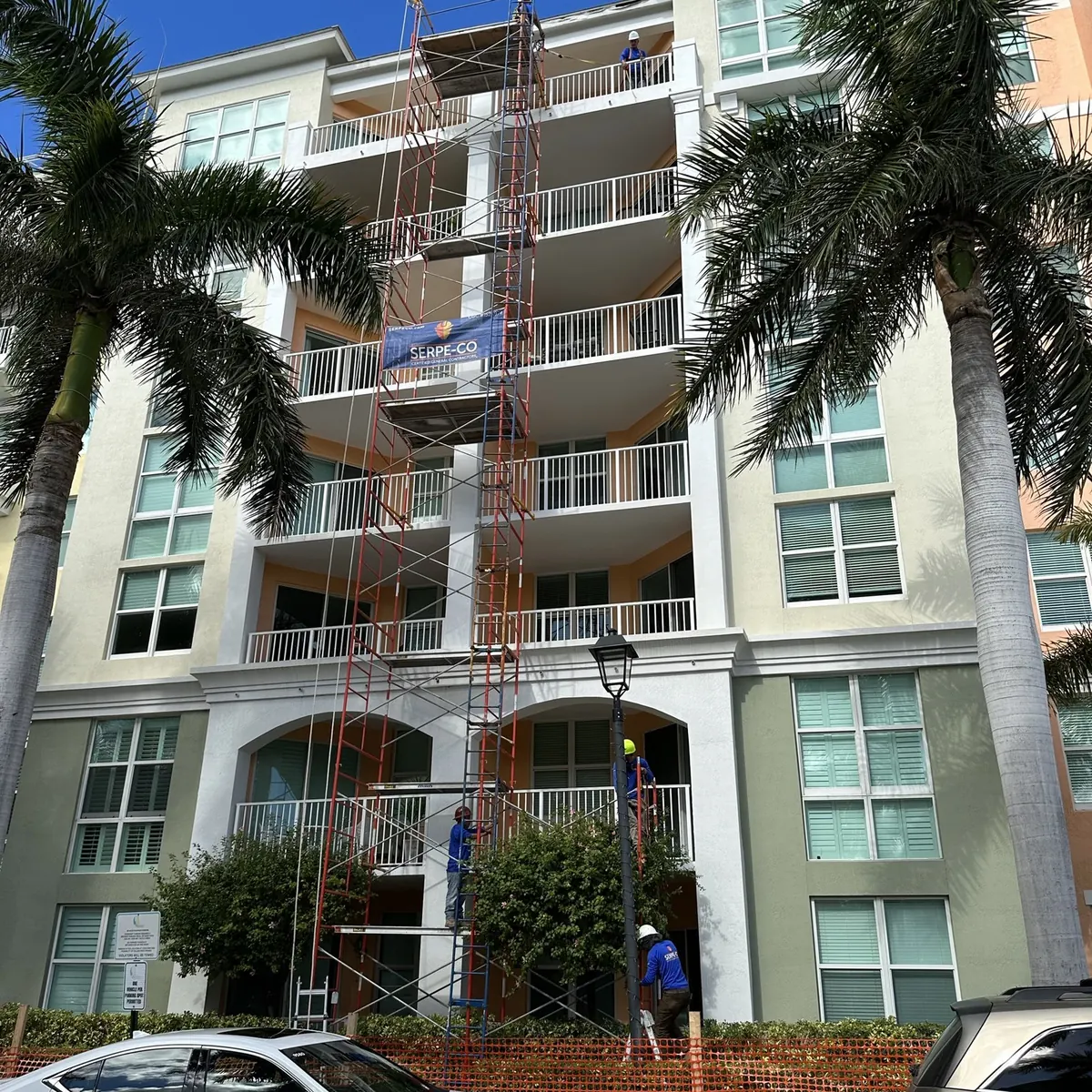 The Florida Milestone Inspection, Step by Step for Condo Boards
From the county notice to a closed permit: the eight steps of a milestone inspection and what the board owns at each one.
Read the article
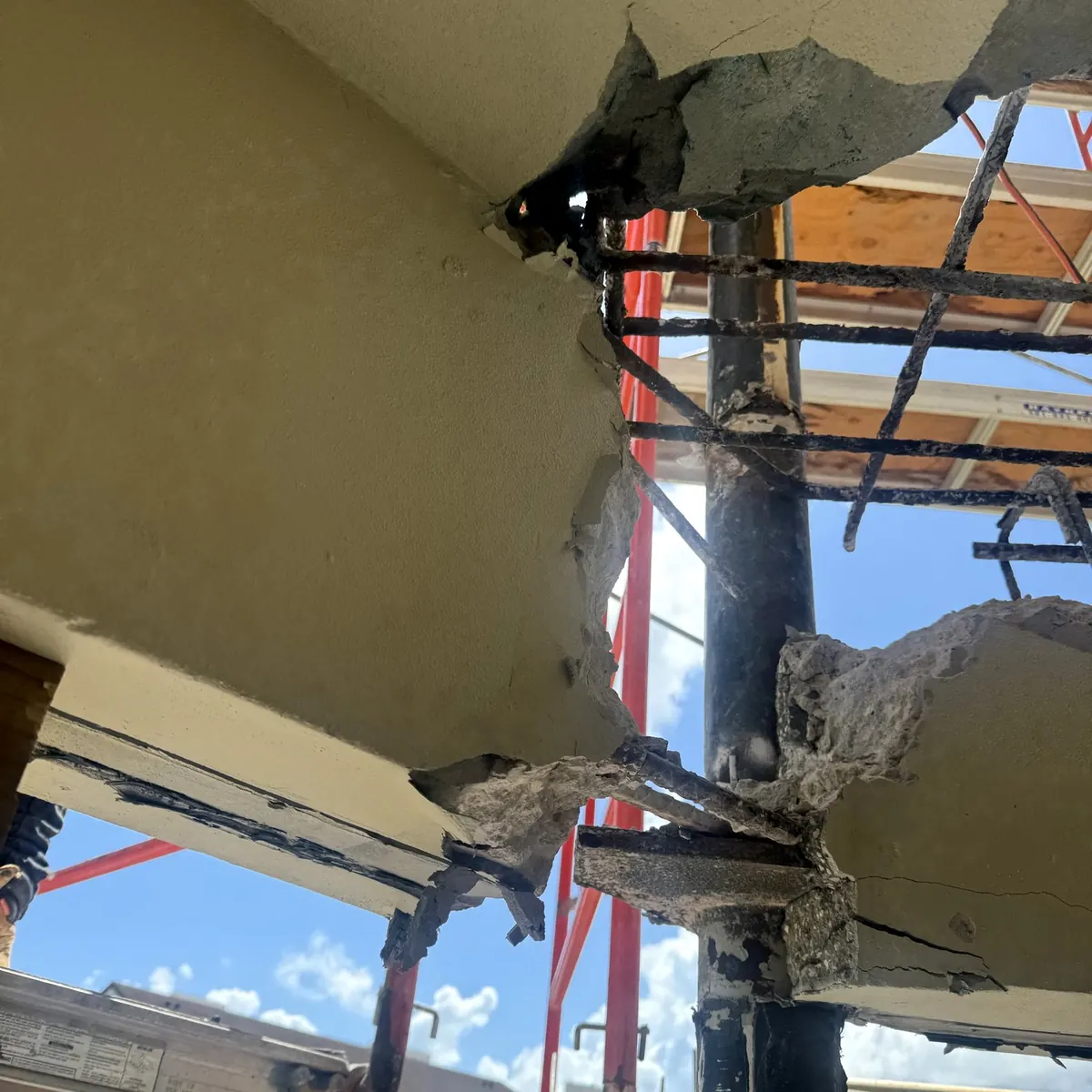 Your Milestone Inspection Report Arrived. Here Is What Comes Next
The sealed report is on the board table. How to read it, what to ask your engineer and how it becomes permitted repair work.
Read the article
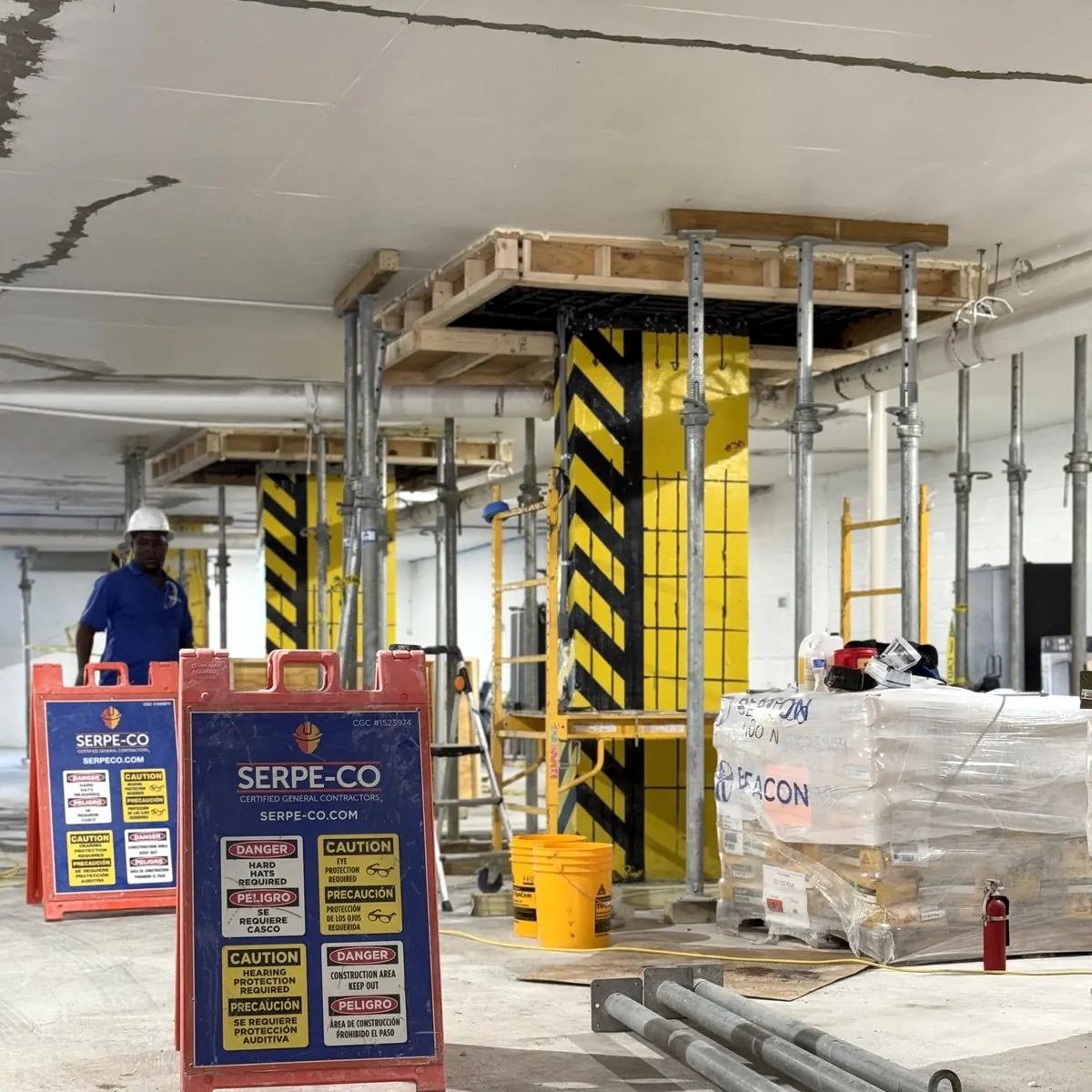 Parking Garage Repair on Condominiums: What Fails and How Repairs Are Phased
Garages take water, salt and cars every day. What fails, how repairs are built overhead and how phasing keeps residents parking.
Read the article
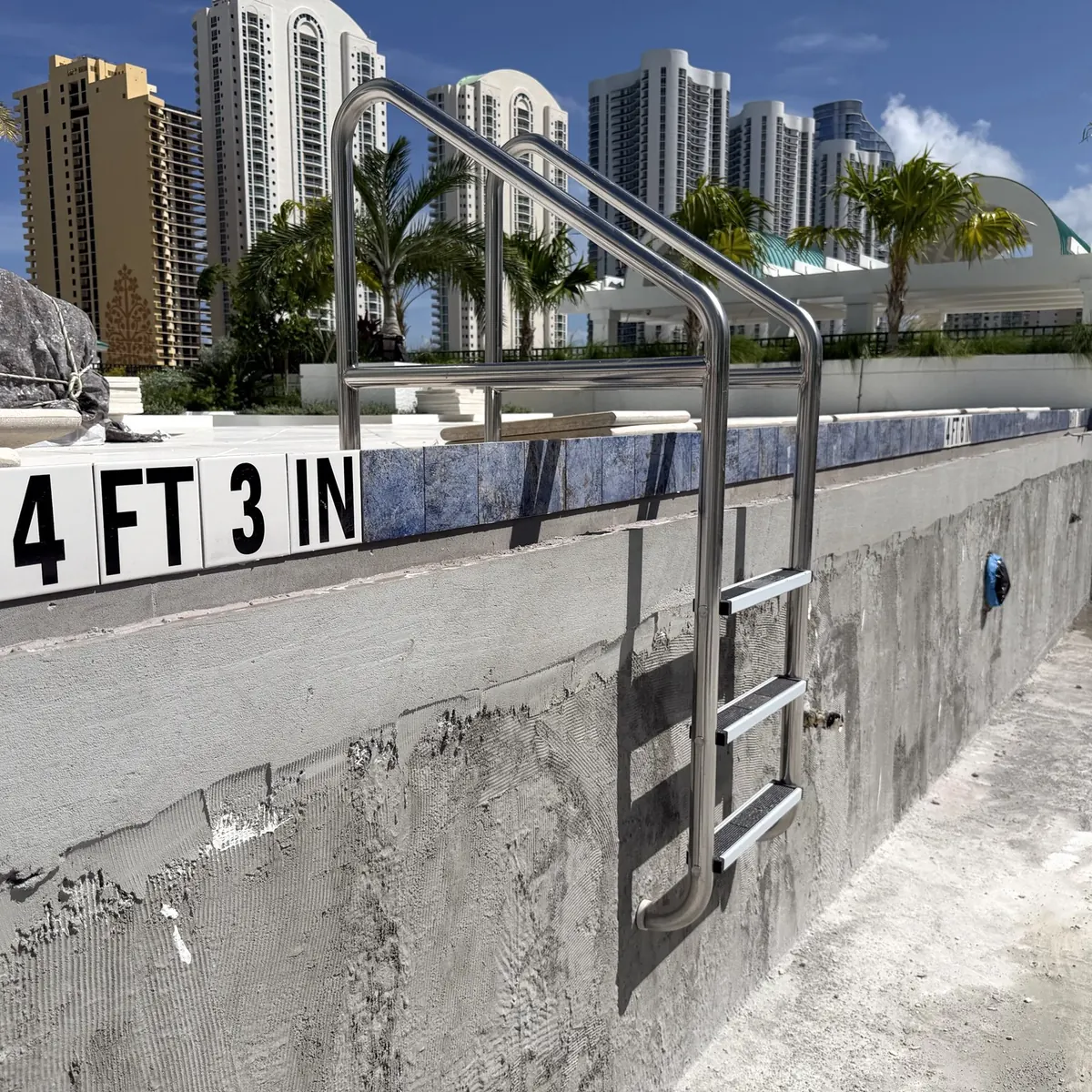 Pool Deck Coating on Condominiums: Systems, Failures and When to Recoat
Coatings keep pool decks safe, cool and watertight. The common systems, how they fail and what boards should know before recoating.
Read the article
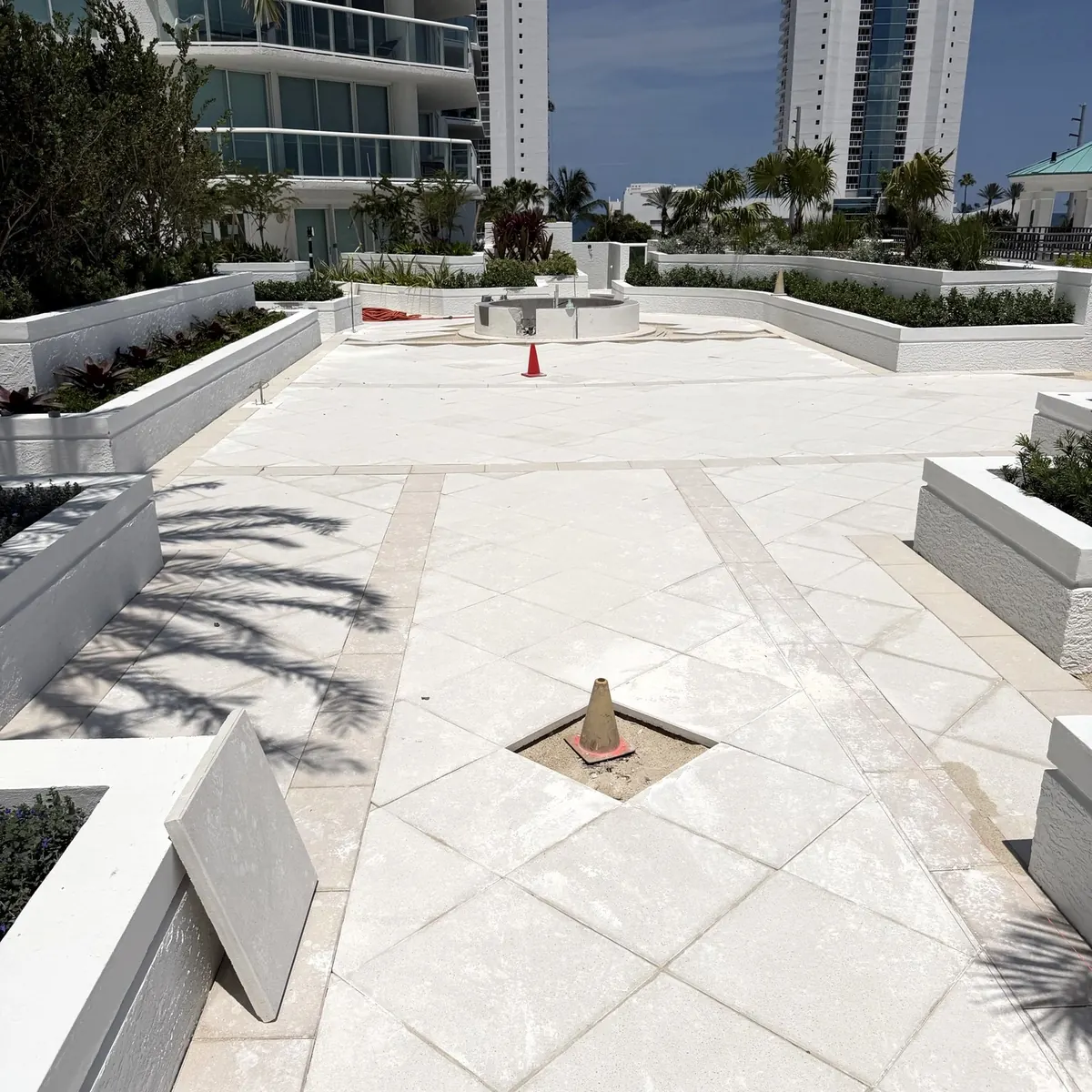 Pool Deck Pavers on Condominiums: What Sits Under the Stone Matters Most
Pavers on a condo pool deck often sit over a structural slab and occupied space. What lies under the stone decides how long the deck lasts.
Read the article
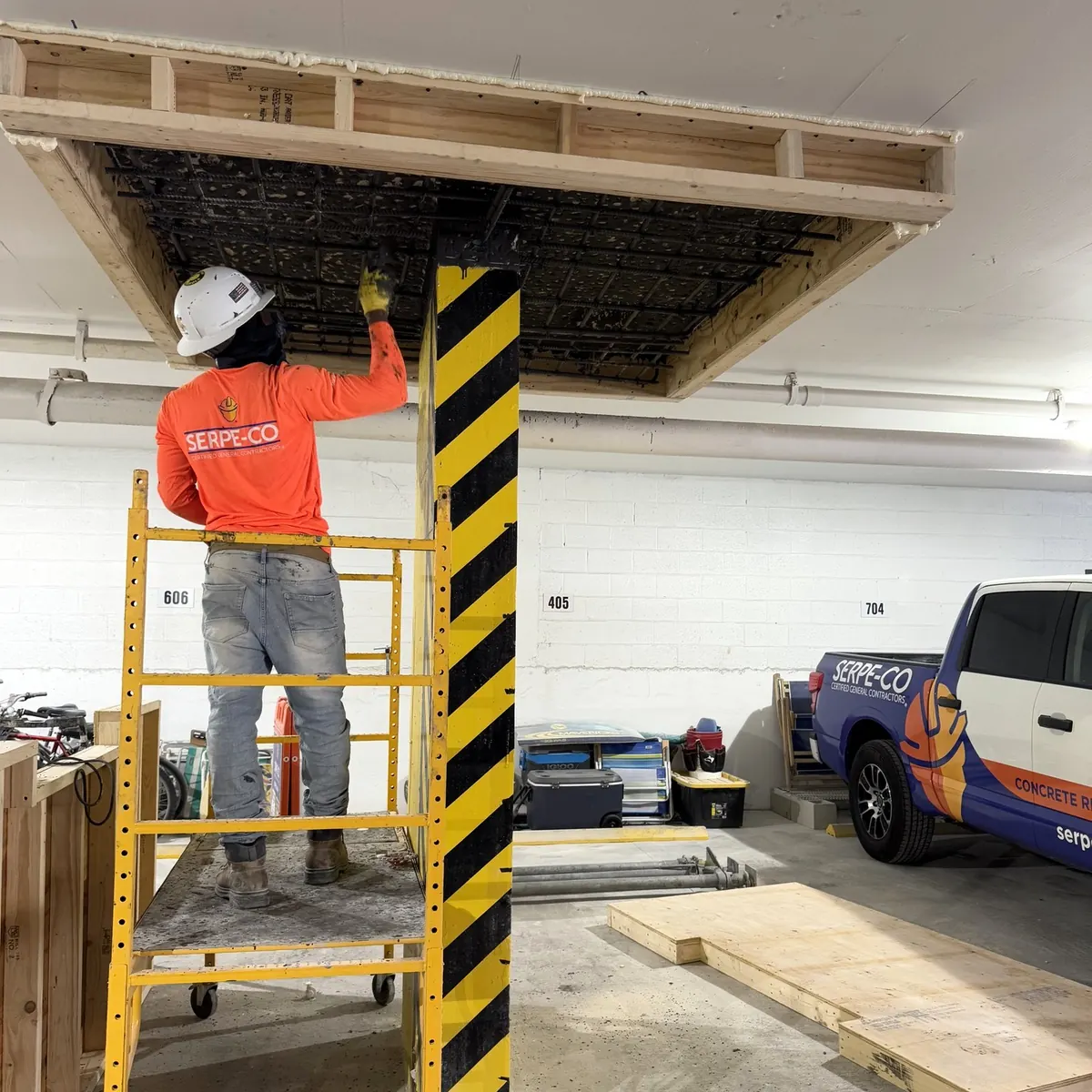 Post Tension Cable Repair on Condominiums: What Boards Should Know
Many Florida condo slabs and garages hold steel tendons under high tension. How they fail, the warning signs and why repairs follow a strict engineered plan.
Read the article
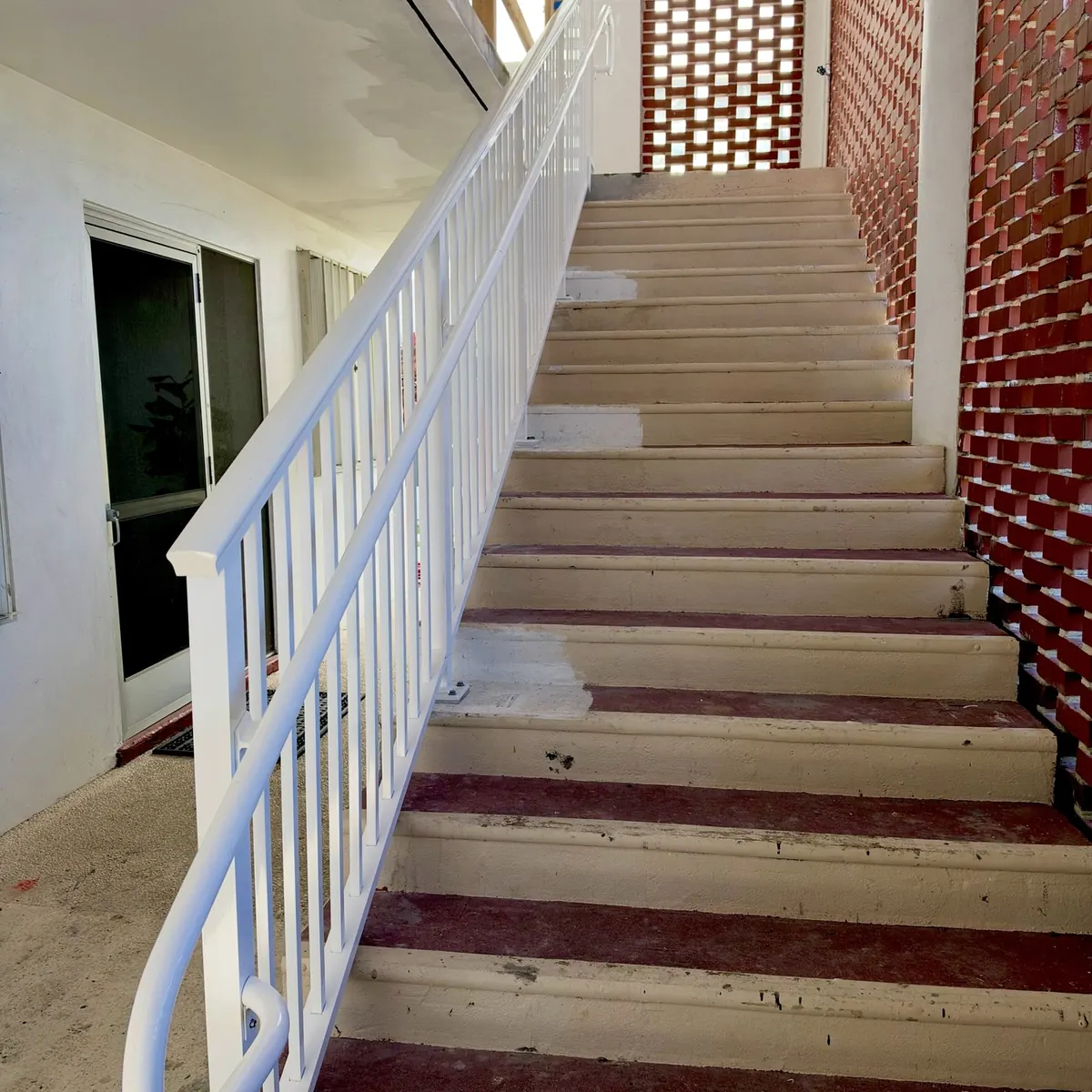 Condo Railing Replacement: Balconies, Walkways and Stairs on the Coast
Rusted posts, loose rails and cracked slab edges often go together. When railings should be replaced and how the new ones keep water out.
Read the article
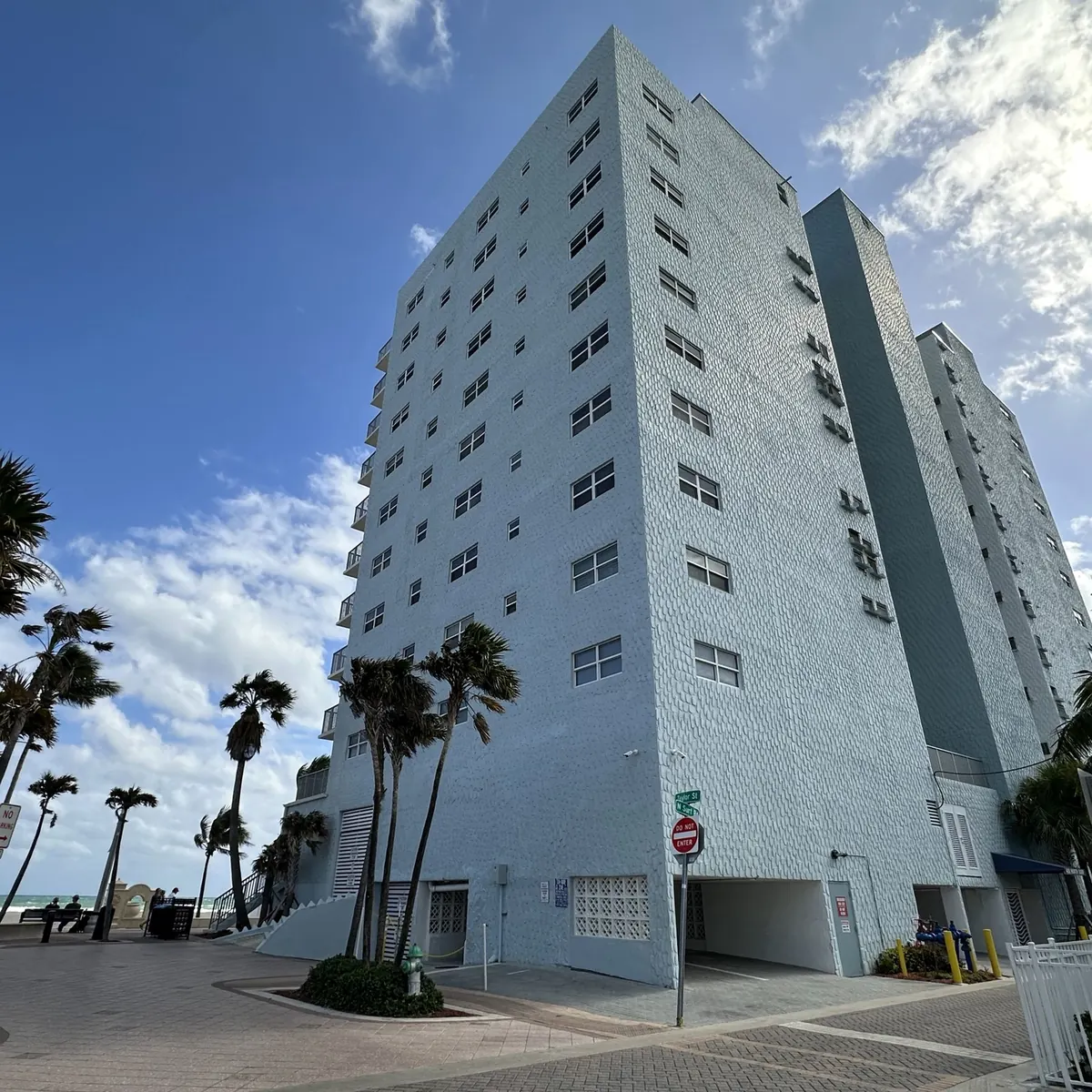 The Structural Integrity Reserve Study: What Florida Condo Boards Need to Know
What the SIRS covers, who can prepare it, how it connects to the milestone inspection and why it shapes the repair schedule.
Read the article
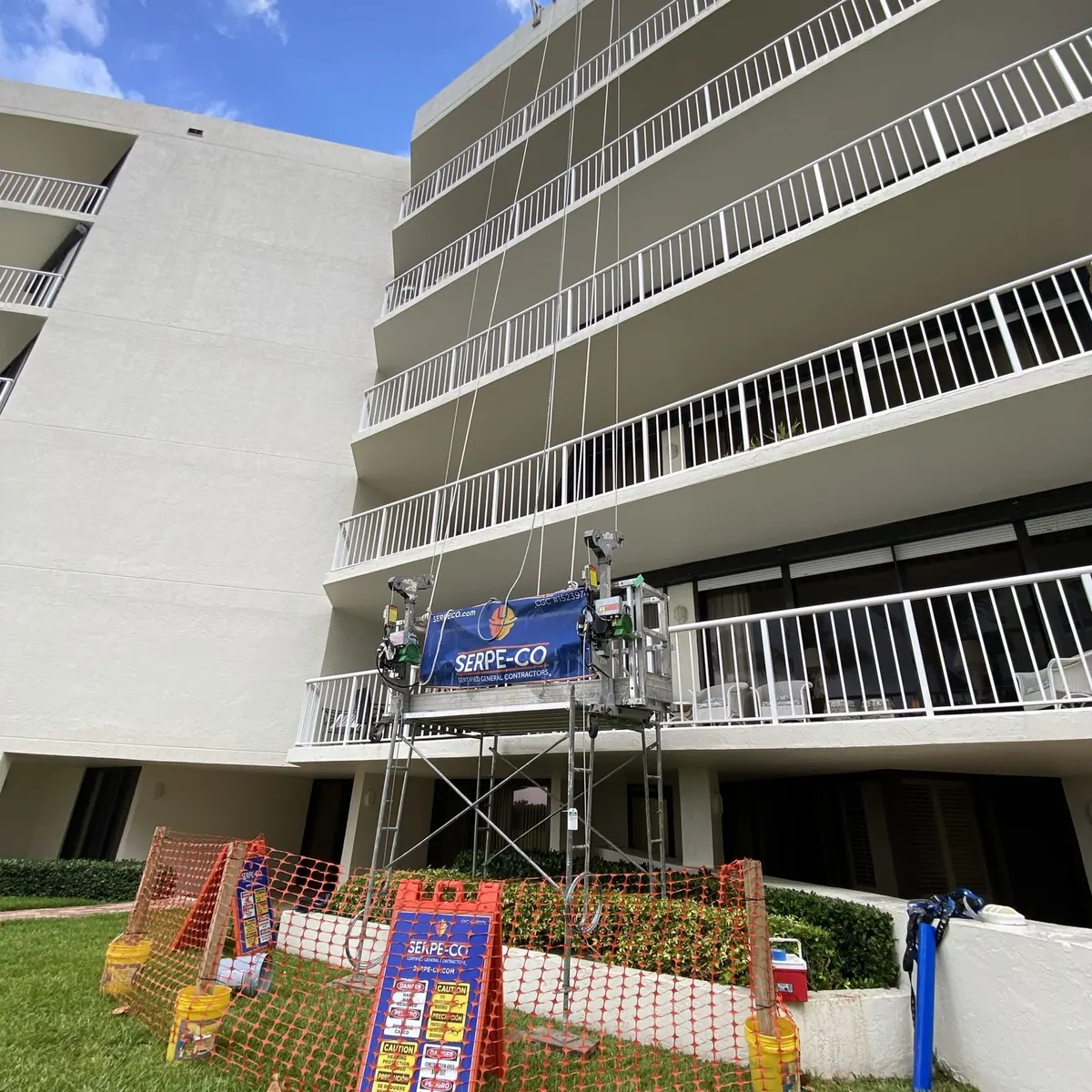 Swing Stage, Scaffolding or Lifts: How Crews Reach a Condo Tower
How repair and painting crews reach every floor of a tower, when a swing stage beats scaffolding and what residents should expect.
Read the article
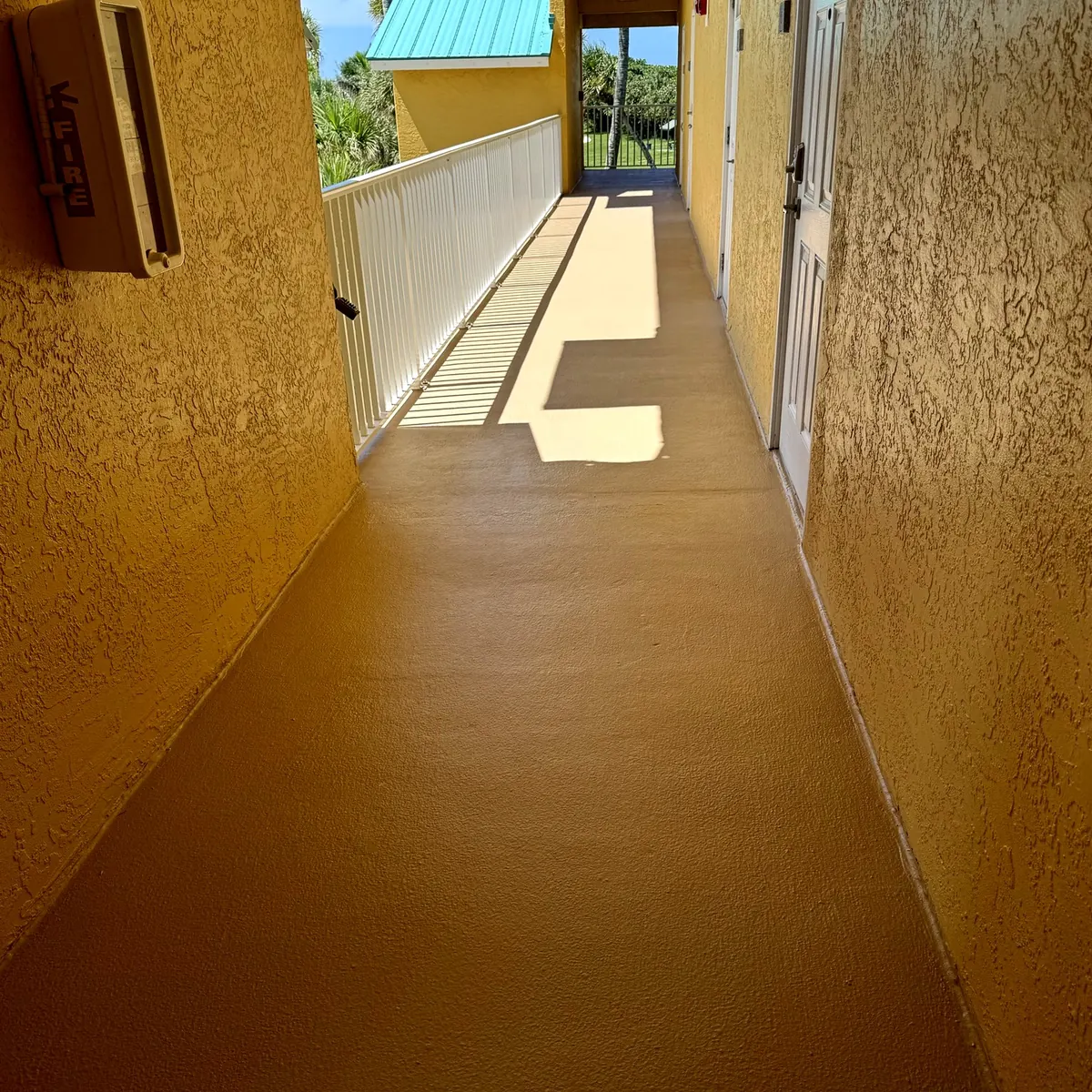 Waterproofing Concrete on Condominiums: Where Water Gets In and How to Stop It
Water is what turns sound concrete into spalling concrete. Six common waterproofing systems and where each one belongs on a condominium.
Read the article
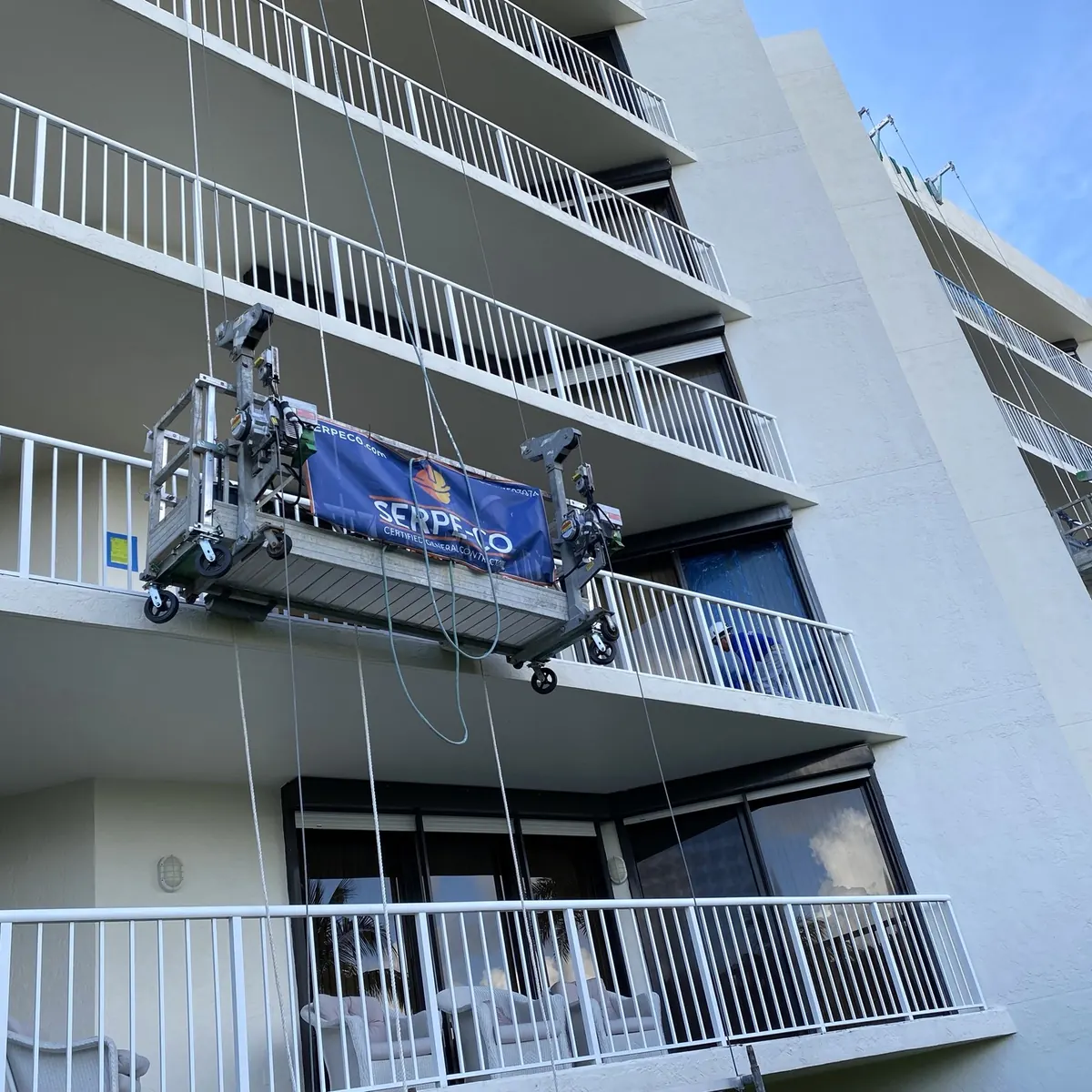 Window Caulking on Condo Towers: Why Sealants Fail and How They Are Replaced
The thin bead around every window is one of the building's main defenses against water. Why it fails, how it is replaced and when to plan it.
Read the article
About this blog
A concrete restoration blog for condo boards and managers.
The Rebar Report is the concrete restoration blog from SERPE-CO, a family-owned Florida Certified General Contractor in Pompano Beach. We write for the people who answer for a building: condominium and HOA board members, community association managers and the engineers who work with them.
Each article starts from what our crews see on South Florida job sites, from rust stains and spalling on balcony edges to failing garage coatings and pool decks over occupied space. We explain what the warning signs usually mean, how Florida's milestone inspection and recertification rules shape the timeline, and how boards can plan repairs in phases instead of reacting to emergencies.
A concrete restoration blog is no substitute for your engineer. Licensed engineers and architects inspect buildings and design repairs; SERPE-CO builds them. For the bigger picture, start with our milestone inspection guide, or read Brett Serpe's article in the Florida Community Association Journal.
Written from the job site
Every article is reviewed by Brett Serpe, MBA, GC.
Brett has worked in concrete restoration since 2005 and qualified SERPE-CO as a Florida Certified General Contractor (CGC #1523974). He also writes for the Florida Community Association Journal. Read his latest article.
Questions
Questions about The Rebar Report.
Who writes the articles on this concrete restoration blog?
The Rebar Report is written by the SERPE-CO project team and reviewed by Brett Serpe, MBA, GC, CEO of SERPE-CO and a Florida Certified General Contractor (CGC #1523974). Each article starts from conditions our crews see on South Florida condominiums and is checked against official sources where it touches the law.
Can these articles tell me what is wrong with my building?
No. The articles explain common warning signs, repair methods and planning steps in general terms. A licensed engineer or architect has to inspect your building and specify the repairs. SERPE-CO then builds that scope. If you are not sure where to start, call the office and we will talk it through.
Which topics does The Rebar Report cover?
Concrete repair (spalling, rust stains, delamination and rebar corrosion), Florida milestone inspections and county recertification, balcony and garage waterproofing, pool deck resurfacing, stucco repair before repainting, and how boards plan reserves and special assessments around restoration work.
Request an estimate
Let's plan your restoration.
Tell us where the building is and what you are seeing. We set up a visit to the property, then send a written proposal, or tell you an engineer needs to write the scope first.
- More than 20 years in the field
- St. Lucie, Martin, Palm Beach, Broward and Miami-Dade
- Family-owned Certified General Contractor
Rather call?(954) 718-3094