Window caulking is easy to overlook on a condominium tower. The sealant bead around each window and door is thin, but it is one of the main barriers against wind-driven rain. When it cracks, shrinks or pulls away, water gets into the wall, around the frame and sometimes into the concrete. Owners notice stained drywall, swollen baseboards or mold before anyone sees the failed sealant from outside.
SERPE-CO is a Pompano Beach Certified General Contractor that repairs, waterproofs and paints condominiums, and installs impact windows and doors. The owner's engineer or architect specifies sealant work. We price and build that scope. Here is what boards should know.
1. Why window caulking fails on the coast
Sealants age. Sun breaks down their surface, heat cycles stretch and squeeze them daily, and salt air speeds everything up. Common failures include:
- Adhesion failure. The sealant pulls away from the frame or the wall.
- Cohesion failure. The sealant tears down the middle.
- Hardening and cracking. Old sealant loses flexibility and splits.
- Wrong joint shape. Joints too thin or too deep cannot stretch as designed.
- Incompatible products. New sealant over old, or the wrong product for the surface.
2. Replacement means cutting out the old sealant
Lasting window caulking work does not go over the old bead. Crews cut out the existing sealant, clean and prime the joint surfaces as the manufacturer requires, install backer rod to set the right joint depth and tool in new sealant. The joint shape matters: a properly sized joint with a backer rod lets the sealant stretch without tearing.
When we install impact windows, we set them with stainless steel fasteners and a urethane hybrid sealant. The same attention to product and detail applies when replacing sealants around existing windows.
3. Access is most of the job
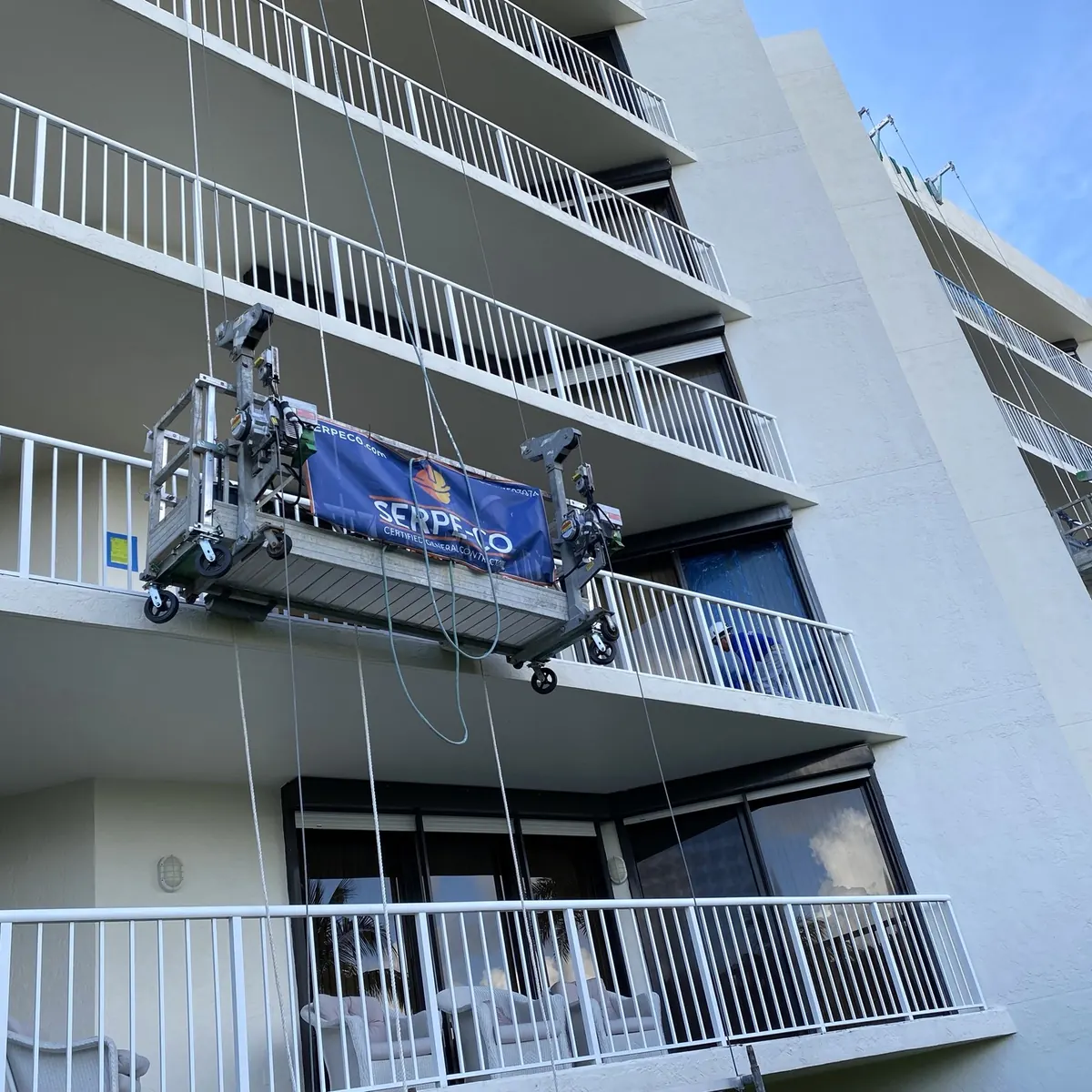
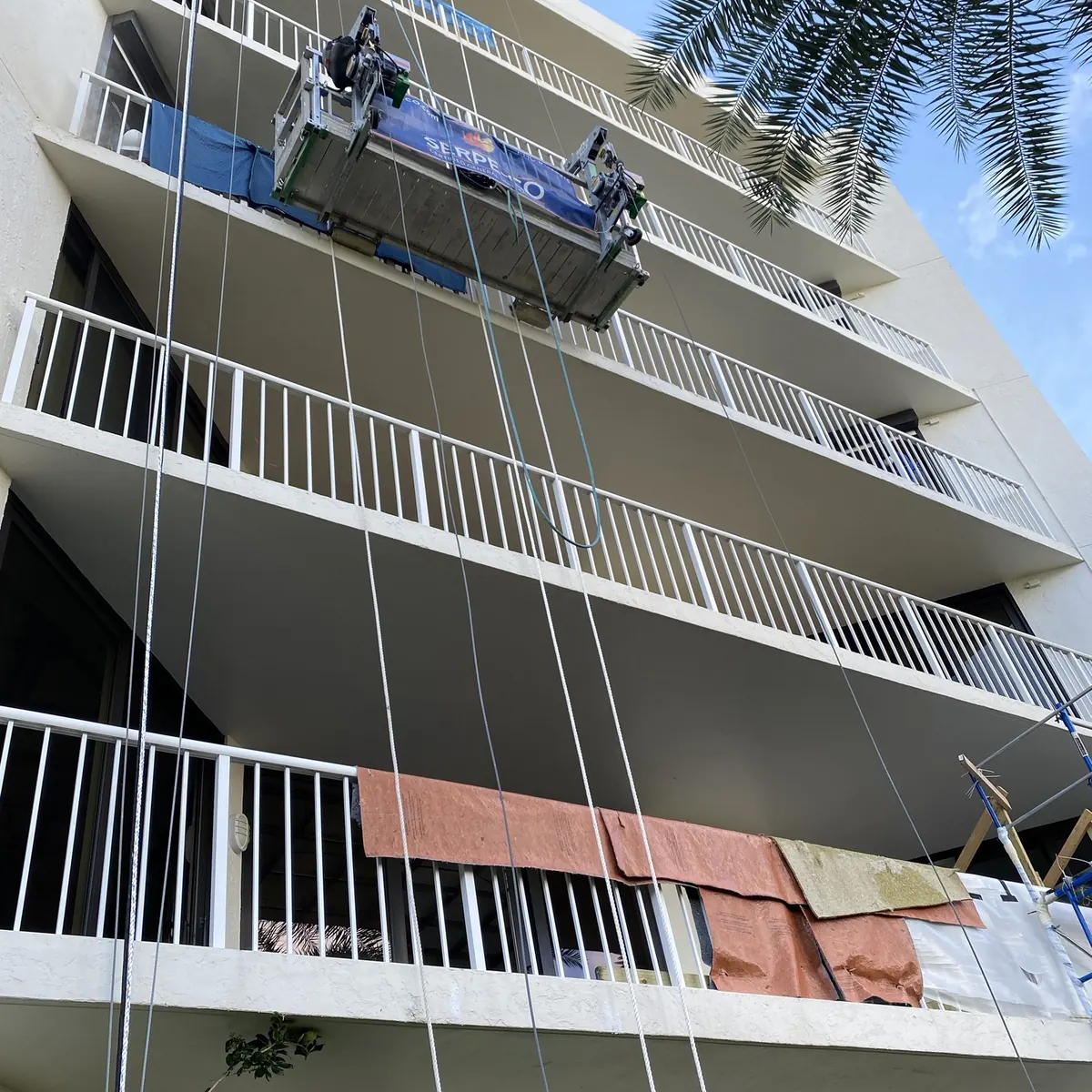
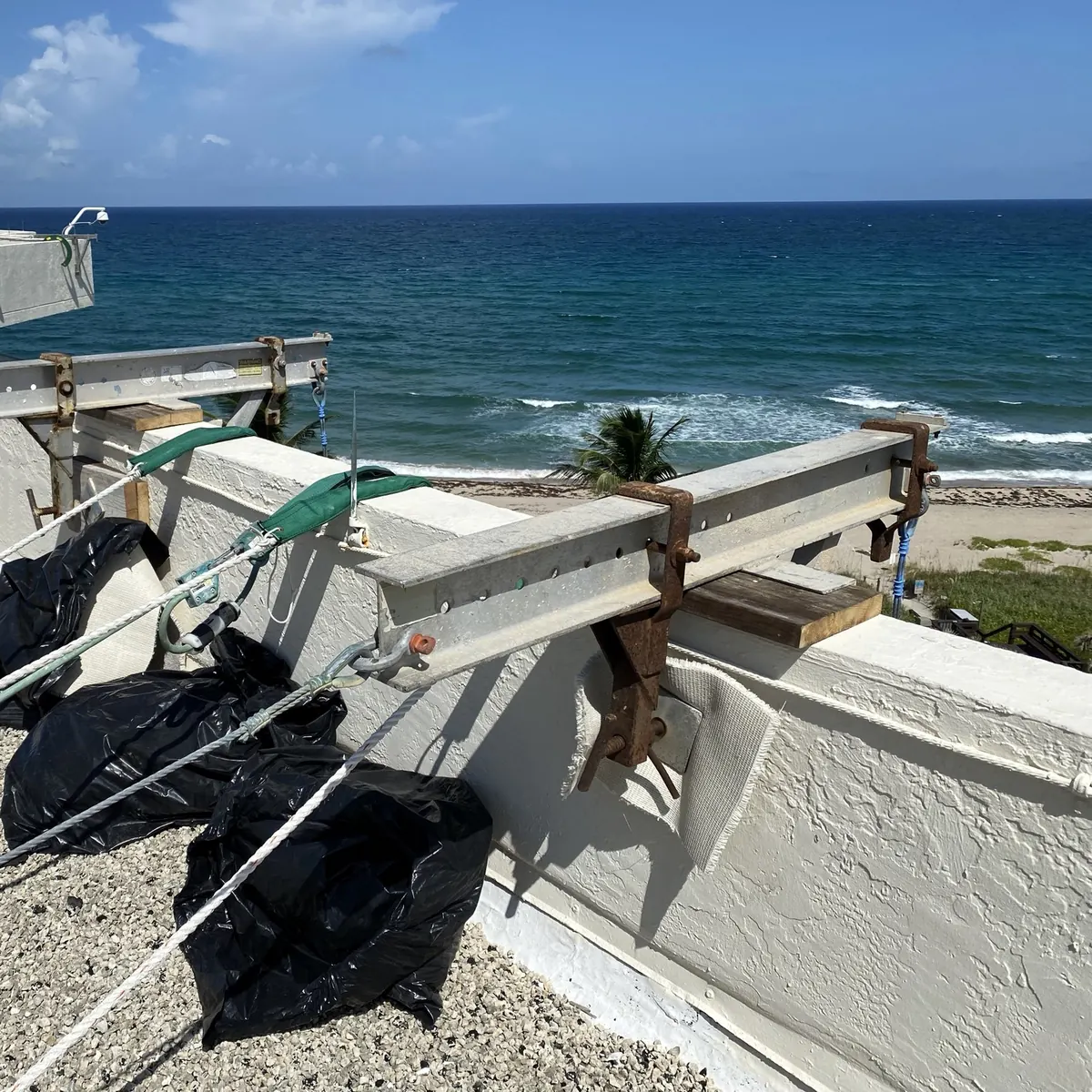
On a tower, the hardest part of window caulking is reaching every joint safely. Swing stages are common for tall, flat elevations. Scaffolding suits lower buildings or work combined with heavy concrete repairs. Lifts work on low-rise buildings with good ground access. Rigging, roof anchors, barricades and work-zone signage go in before the first joint is cut. The federal OSHA scaffolding rules govern this work, and our swing stage post explains the access choices.
4. Combine sealants with painting and repairs
Because access is costly, boards save money by bundling window caulking with concrete repairs and painting on the same stages or scaffold. A typical sequence is concrete and stucco repairs, then sealant replacement, then cleaning and painting. Our elastomeric paint post covers the coating, and stucco repair covers the wall surface.
5. Water testing finds hidden leaks
Not every leak comes from the sealant. Water can enter through the window frame, the glazing, a cracked sill or the wall above. When owners report recurring leaks, the design professional may call for water testing to find the real path before work is scoped. Testing a few units first can save the board from replacing sealants that were not the problem.
6. Plan sealant cycles in the reserve study
Windows, exterior doors and waterproofing are components a structural integrity reserve study must cover under Florida Statute 718.112. Sealant replacement should be scheduled on a cycle, ideally alongside repainting, instead of waiting for interior water damage. Our structural integrity reserve study post explains the planning.
Signs your window caulking is due
- Cracked, shrunken or missing sealant visible from balconies.
- Gaps between the sealant and the frame or wall.
- Water stains on interior walls below windows after storms.
- Rust on window frames or railings near joints.
- Multiple owners reporting leaks on the same elevation.
What owners should expect during the work
Crews work outside each window, so owners may be asked to close blinds, move items away from windows and keep balconies clear on scheduled days. Sealants need time to cure, so windows stay closed for a short period after work. Notices before each drop keep the schedule moving and help residents plan.
Sealants beyond the windows
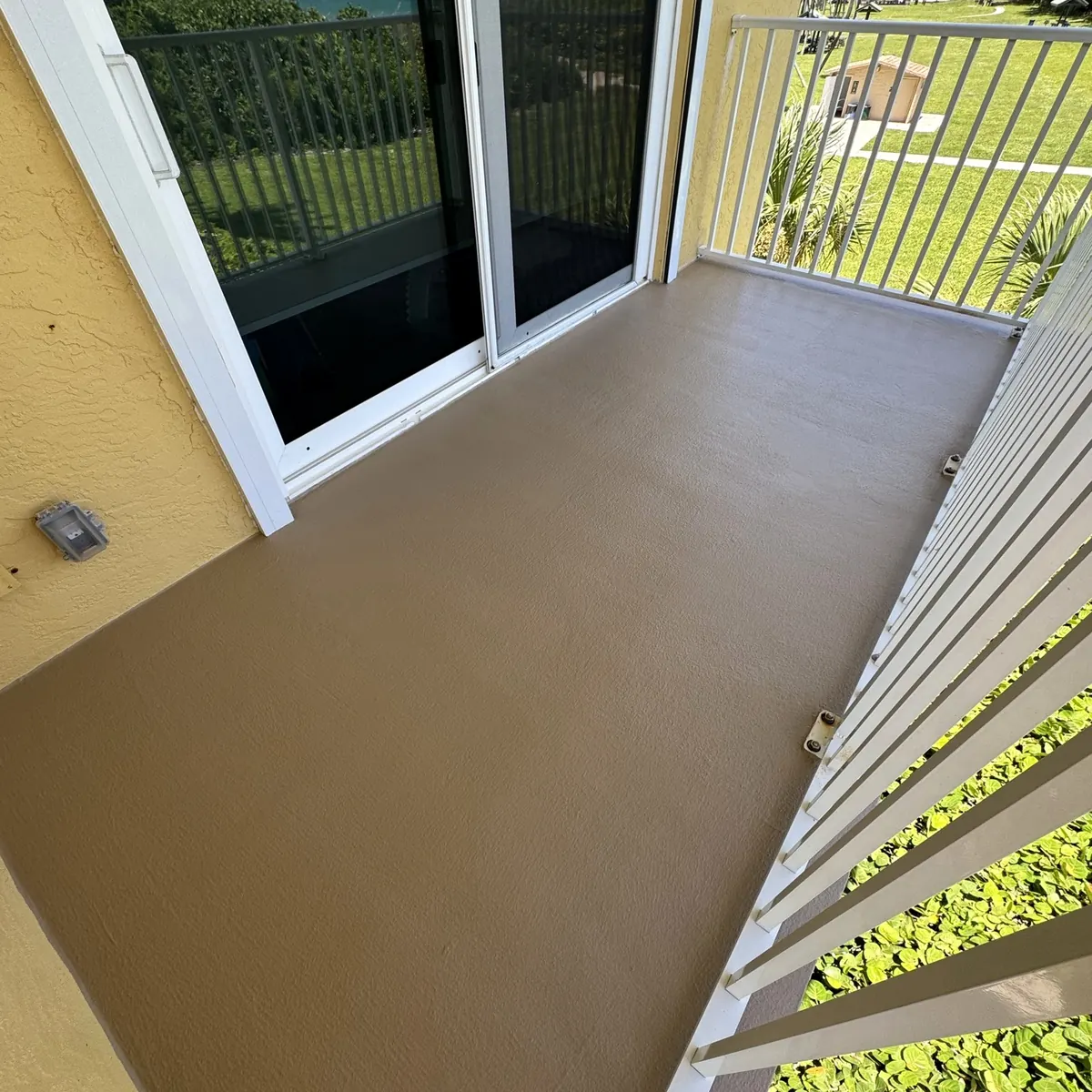
Windows are only part of the sealant picture. Control joints in stucco, expansion joints between building sections, balcony door thresholds, railing post pockets, light fixtures and every pipe or vent through the wall all rely on sealant. A full sealant survey by the design professional often finds failures at these spots too.
Bundling all of them into one scope on the same access saves money and closes more water paths at once. Our expansion joint repair post covers the larger joints in decks and garages.
How SERPE-CO can help
SERPE-CO prices and builds the engineer's sealant scope, usually alongside concrete repairs and painting, on condo towers across Broward, Palm Beach and Miami-Dade. See our waterproofing and impact windows and doors services, then contact us or call (954) 718-3094.
CEO and co-founder of SERPE-CO, a family-owned Florida Certified General Contractor (CGC #1523974). In concrete restoration since 2005 and a contributor to the Florida Community Association Journal. This article is general information, not engineering or legal advice.