Rust stains on concrete are one of the first signs a condo building gives you that water has reached the steel inside. A brown streak running down from a balcony edge or a column face can look like a cleaning job. Very often it is the outside trace of reinforcing bar that has started to corrode, and the sooner a board gets it looked at, the smaller the repair tends to be.
Brett Serpe, CEO and President of SERPE-CO, made the same point in his September 2026 article for the Florida Community Association Journal, Catch It Before the Crack. His line to boards was simple: "A rust stain today is often a structural repair tomorrow." You can find the article and other coverage on our press page. Below is a plain explanation for board members and property managers of what the streaks mean, which ones are harmless, and what to do next.
Why rust stains on concrete show up on Florida condos
Concrete looks solid, but it is porous. Rain, irrigation, pool water and salt air work their way in through hairline cracks, tired sealant joints, failed waterproofing and spots where water ponds instead of draining. On the coast, that moisture carries chlorides from the ocean, and chlorides break down the natural protection the concrete gives the steel.
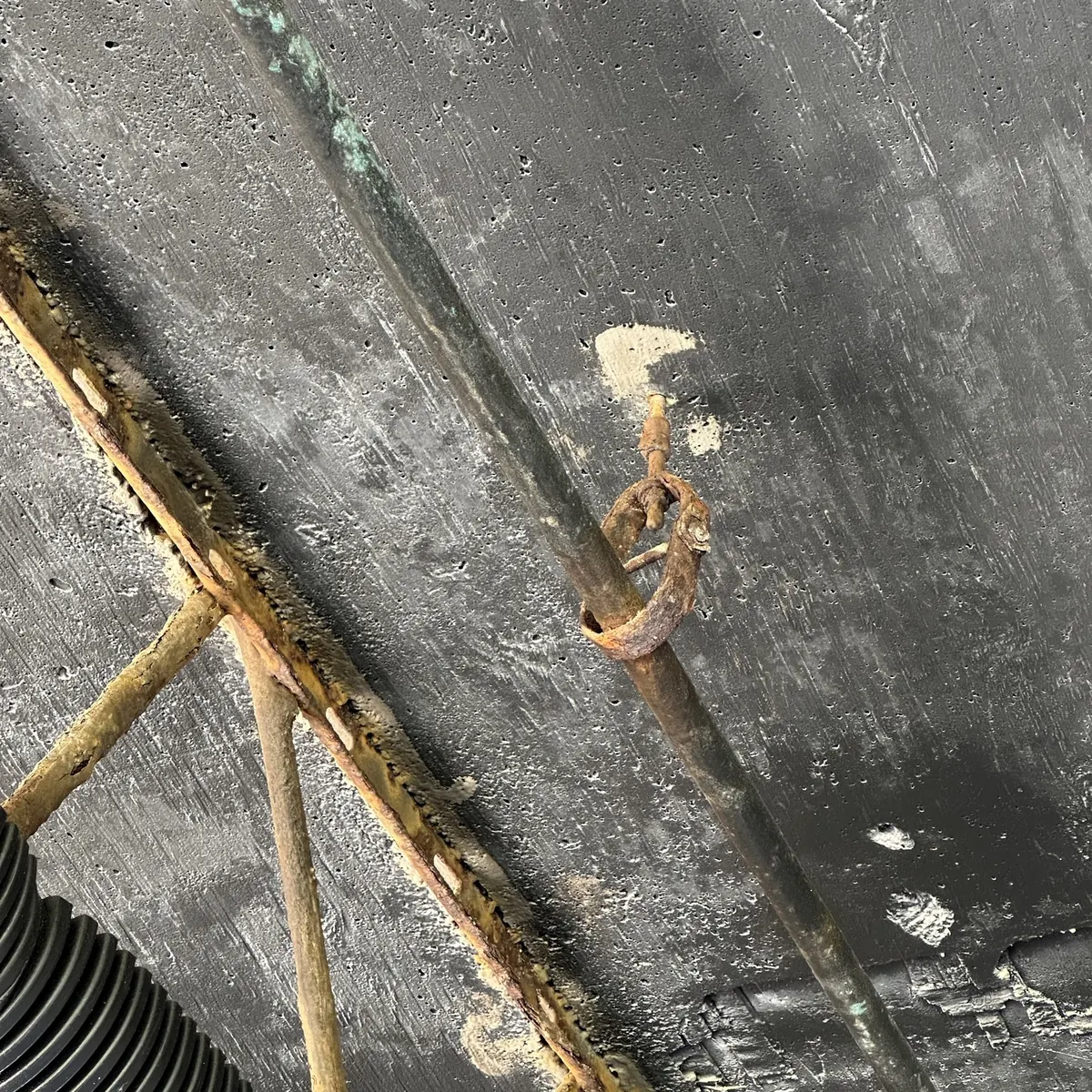
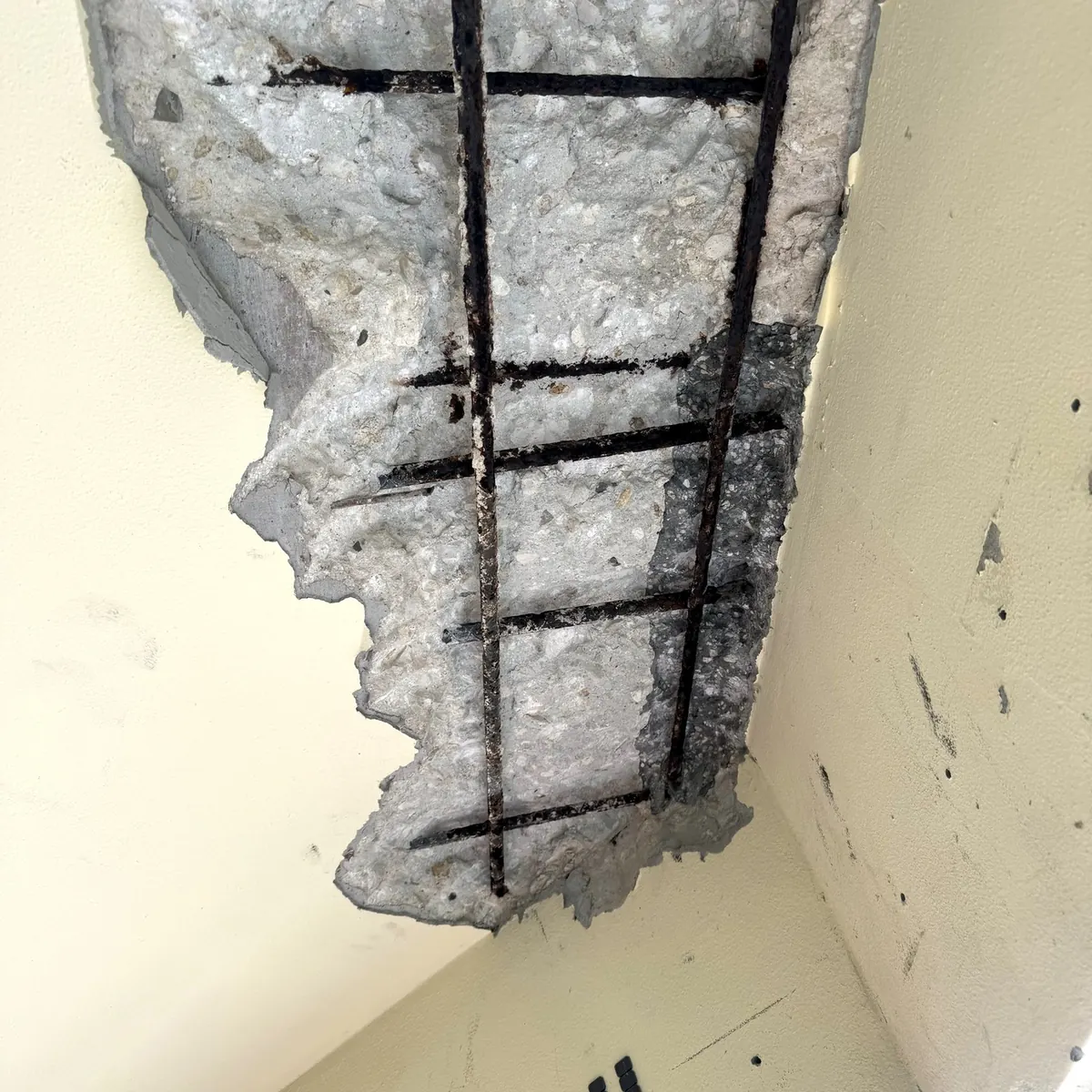
Once steel starts to corrode, the rust takes up more room than the original bar. That growth pushes on the surrounding concrete from the inside. Along the way, rust-colored water seeps out through cracks and pores and dries on the surface as a streak. The stain is the part you can see. The corrosion causing it sits under the surface, sometimes well beyond the stained area.
Brett's article lays out the usual order of events: rust staining, hollow-sounding concrete, cracking, delamination, and finally spalling, where pieces of concrete break loose. Boards that act at the first step have more options than boards that wait for the last one.
Where to look on your building
Streaks tend to collect where water sits on concrete or runs off it. A quick walk with your manager or maintenance staff, looking up as well as down, usually covers the main spots:
- Balcony slab edges and soffits. Water runs to the edge and drips off, so stains often appear on the face of the slab or on the underside.
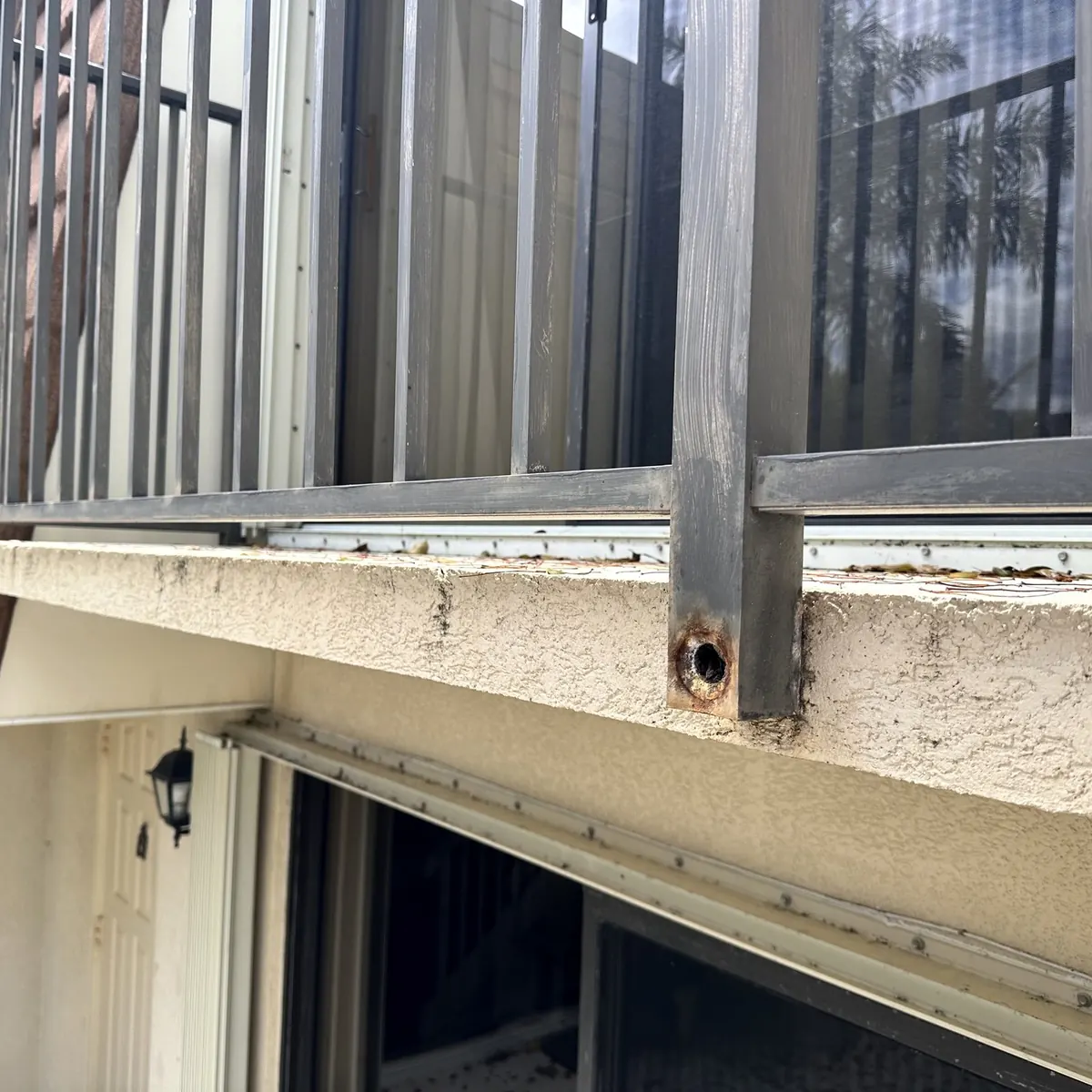
- Railing posts. Steel or aluminum posts set into pockets in the slab let water straight down into the concrete. A rusty halo around a post base is a common early sign.
- Columns and beams. Vertical streaks below a crack on a column face deserve attention, especially on oceanfront elevations.
- Parking garage ceilings and walls. Cars bring water and salt in, and leaks from the deck above show up as stains and drips below.
- Pool decks, planters and walkways. Constant water and poor drainage make these areas prone to corrosion of the steel underneath.
Inside the building, the signs can be quieter. Water stains on a ceiling below a balcony, a damp patch on a garage wall, or efflorescence, the white chalky deposit left when water moves through concrete and carries salts out, all point to water traveling through the structure. Those spots are worth adding to your list even when no rust color shows yet, because the same water that leaves a white mark today can reach the steel later. Residents often notice these first, so ask management to log any reports of drips, stains or small pieces of concrete found on balconies and walkways.
Take dated photos of each stain you find and note the location by unit or column line. Those records help the engineer later and show whether a stain is growing.
Cosmetic or structural: reading rust stains on concrete
Not every orange mark means the rebar is failing. Some stains come from outside the concrete, and telling the two apart is part of the engineer's job. Common sources that may be only surface deep include:
- Irrigation water with high iron content spraying onto walls and walkways.
- Rusting metal sitting on the surface, such as furniture legs, planters, grills or loose fasteners.
- Runoff from corroding metal above, like a railing, light fixture or drip edge, staining the concrete below.
Signs that point to corrosion of the reinforcing steel are different. Watch for a stain that comes out of a crack, a stain that follows a straight line (often the path of a bar), a stain paired with a bulge or a hairline crack, and concrete that sounds hollow when tapped. A stain that comes back after cleaning is another warning.
Board members should not try to make the final call on which kind they have. A licensed engineer can confirm the source with visual review, sounding and, when warranted, further testing. Under Florida Statute 553.899, cracks or peeling finishes on their own do not count as substantial structural deterioration unless the inspector says they signal it, which is exactly why a professional opinion matters here. You can read the current text of Statute 553.899 on the Florida Legislature site.
What happens if a board waits
Corrosion does not pause because the board tabled the item. Each rainy season adds more water and more chlorides, and the rust keeps growing. Concrete that was only stained begins to crack. Cracked concrete lets in more water, which speeds the cycle up. Eventually sections separate from the steel inside, a condition called delamination, and pieces can fall.
Waiting also changes the shape of the job. A stain caught early can often be handled as a defined repair in one area. After years of neglect, the same problem can mean shoring, larger removals, more units affected and longer schedules. Costs rise the longer it waits, and so does disruption to residents.
Our post on concrete delamination explains the hollow-sounding stage in more detail, and our post on spalling concrete covers what happens when pieces start to break loose.
Next steps when you find rust stains on concrete
A practical order of operations keeps the board in control and keeps the decisions with the right professionals:
- Document. Photograph each stain, note the location and date, and keep the file with the association's maintenance records.
- Keep people safe. If concrete is cracked, bulging or loose overhead, ask management to restrict access below it until a professional has looked.
- Hire a licensed engineer. A Florida-licensed engineer or architect can review the stains, sound the concrete, and decide whether more testing is needed.
- Find the water path. Ask the engineer to identify how water is getting in, whether through sealants, expansion joints, waterproofing, coatings, railing pockets or drainage.
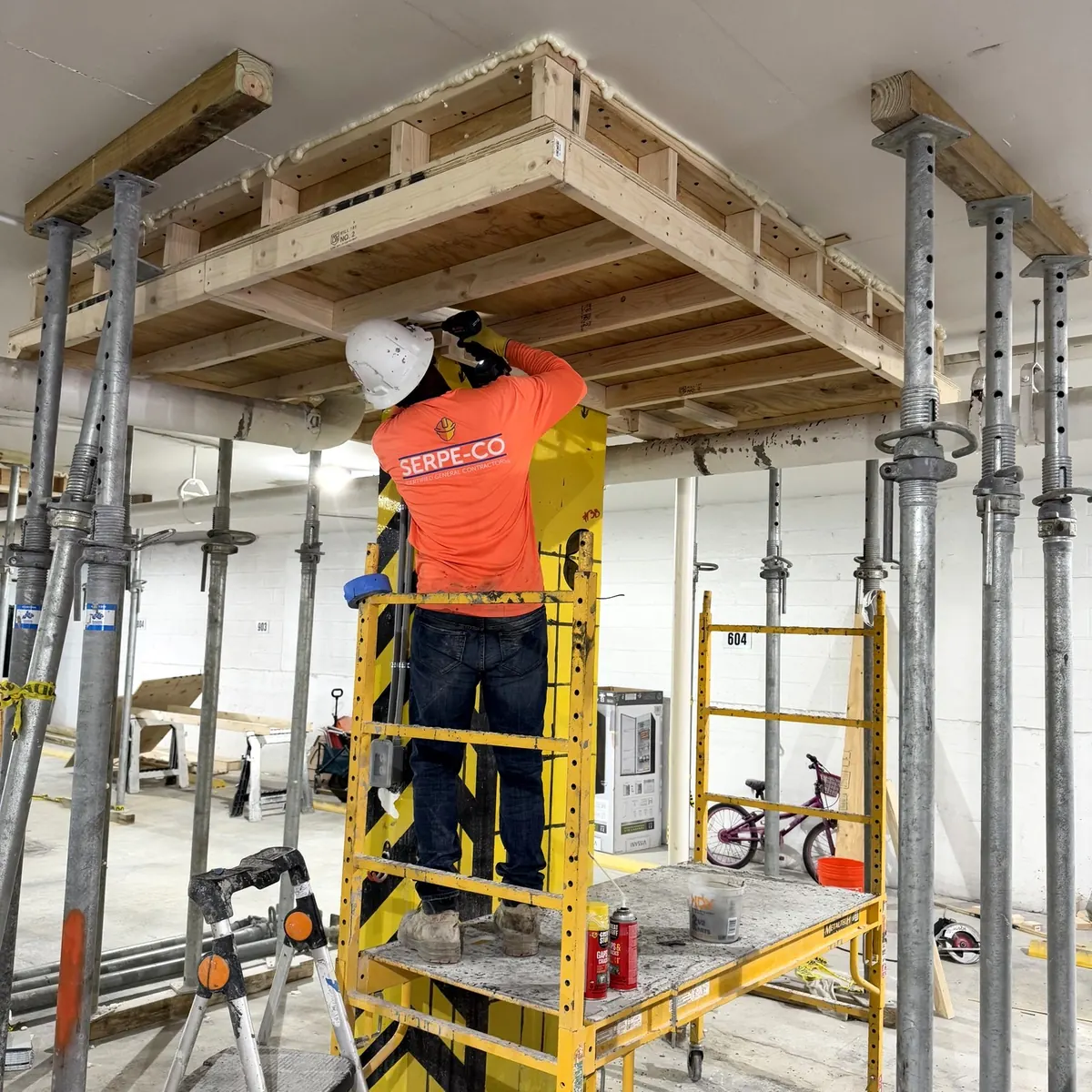
- Get a repair scope. The engineer's drawings and specifications define the repairs. A licensed contractor then prices and builds the work under permit.
- Plan the money and timing. Tie the findings to your milestone inspection schedule and your structural integrity reserve study so repairs are funded and sequenced, not rushed.
Boards dealing with a coming milestone inspection or county recertification can use our milestone inspection guide to see how the state and county programs fit together.
How the repair is usually built
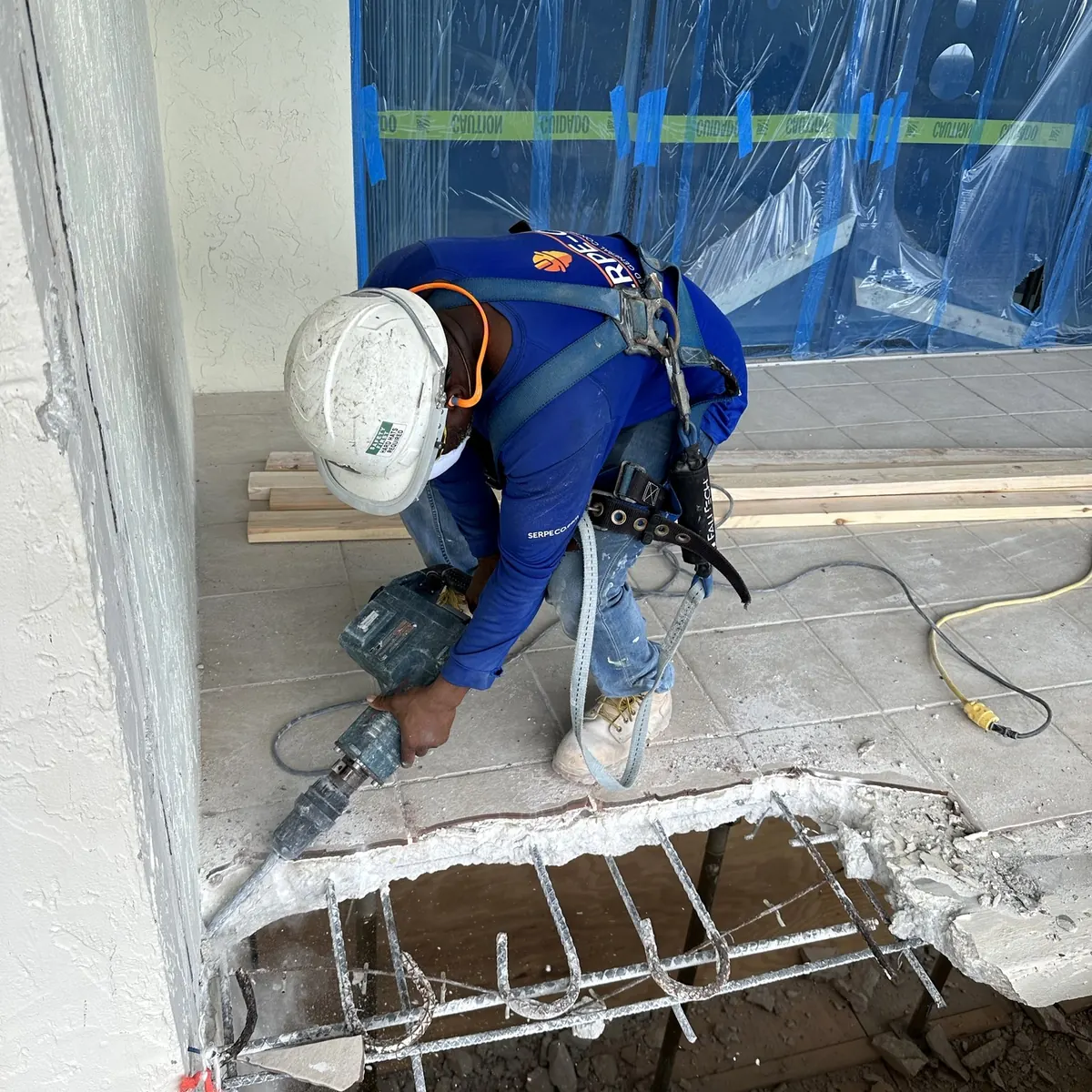
Once the engineer specifies the work, the contractor removes the deteriorated concrete around the corroded steel, cleans the bar, treats or replaces it as the drawings require, and rebuilds the section with repair material. Areas around the repair get sealed and protected so the same water does not come back.
Brett's FCAP article stresses that sealing step above all. Patching one stain at a time while the water path stays open just sets up the next repair. Fixing failed sealants and expansion joints, restoring waterproofing, applying protective coatings and correcting drainage at the same time gives the repair a chance to last. On many buildings the work also feeds into a repaint, since the paint system is part of the waterproofing on a coastal building.
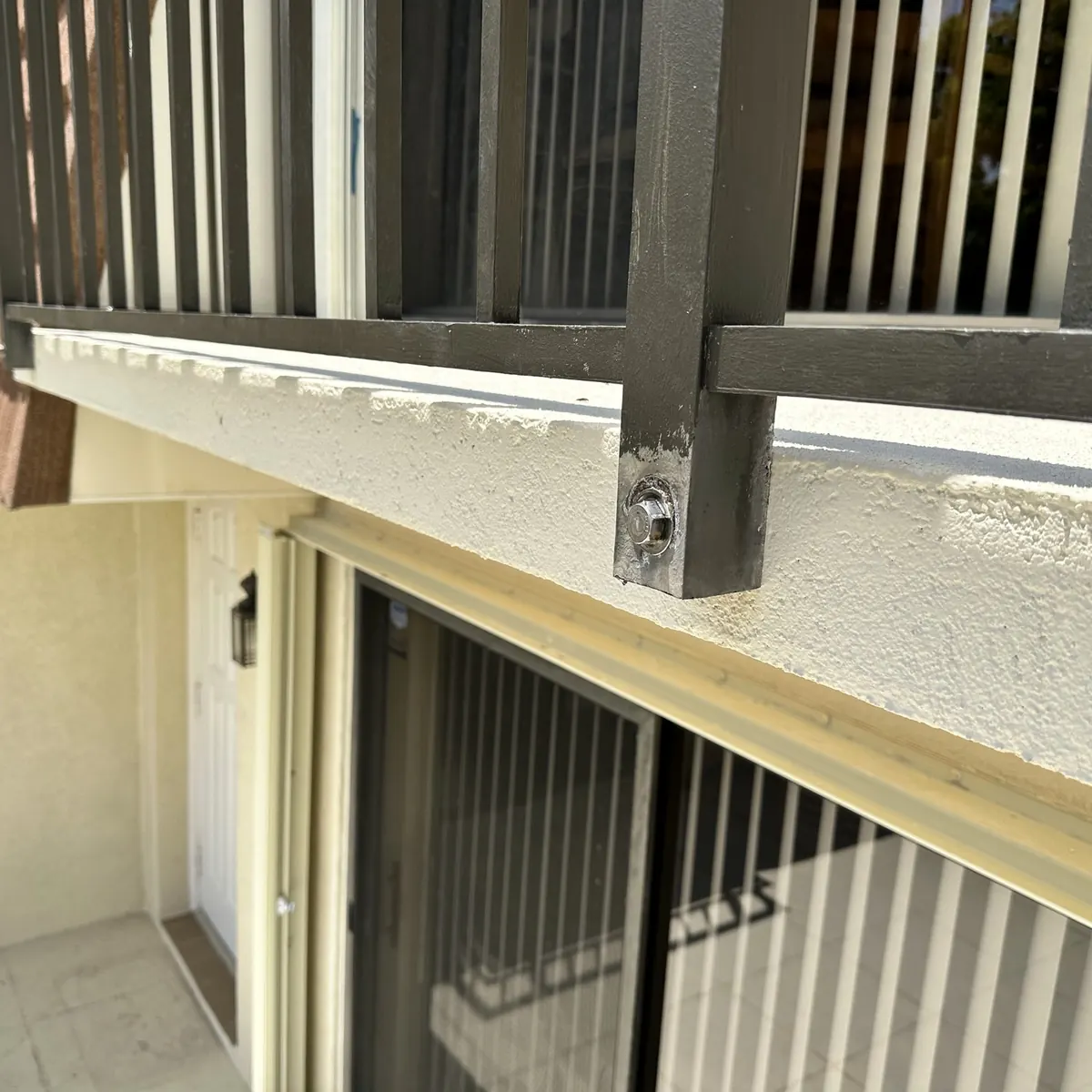
Railing posts are a good example. At condominiums such as The River North, balcony slab repair work involved the area where a corroded railing post met the slab edge. Repairs like that typically pair balcony restoration with resetting and sealing the posts, so water stops entering at the same spot.
How SERPE-CO can help
SERPE-CO is a family-owned Florida Certified General Contractor (CGC #1523974) based in Pompano Beach, with more than 20 years in the field. We build the repairs that licensed engineers and architects specify, and we work closely with associations, managers and design professionals from St. Lucie County to Miami-Dade County, including concrete restoration in Broward County. Our concrete restoration and waterproofing crews handle the repair and the water path together.
If your building has rust stains on concrete and you want to talk through next steps, contact SERPE-CO or call (954) 718-3094. We can work alongside your engineer to plan and build the repairs.
CEO and co-founder of SERPE-CO, a family-owned Florida Certified General Contractor (CGC #1523974). In concrete restoration since 2005 and a contributor to the Florida Community Association Journal. This article is general information, not engineering or legal advice.