Cathodic protection is a way to slow the corrosion of steel inside concrete by making the steel the protected side of an electrical circuit. On coastal condominiums, salt in the concrete keeps rebar corroding long after a visible repair is finished. Engineers sometimes specify it so repairs last longer and the concrete around them does not start breaking down next.
SERPE-CO is a Certified General Contractor in Pompano Beach that builds concrete restoration and structural repairs. Corrosion engineers and the engineer of record decide whether it is needed and design the system. We install it as part of their scope. This post explains the basics for boards.
Why steel in concrete corrodes
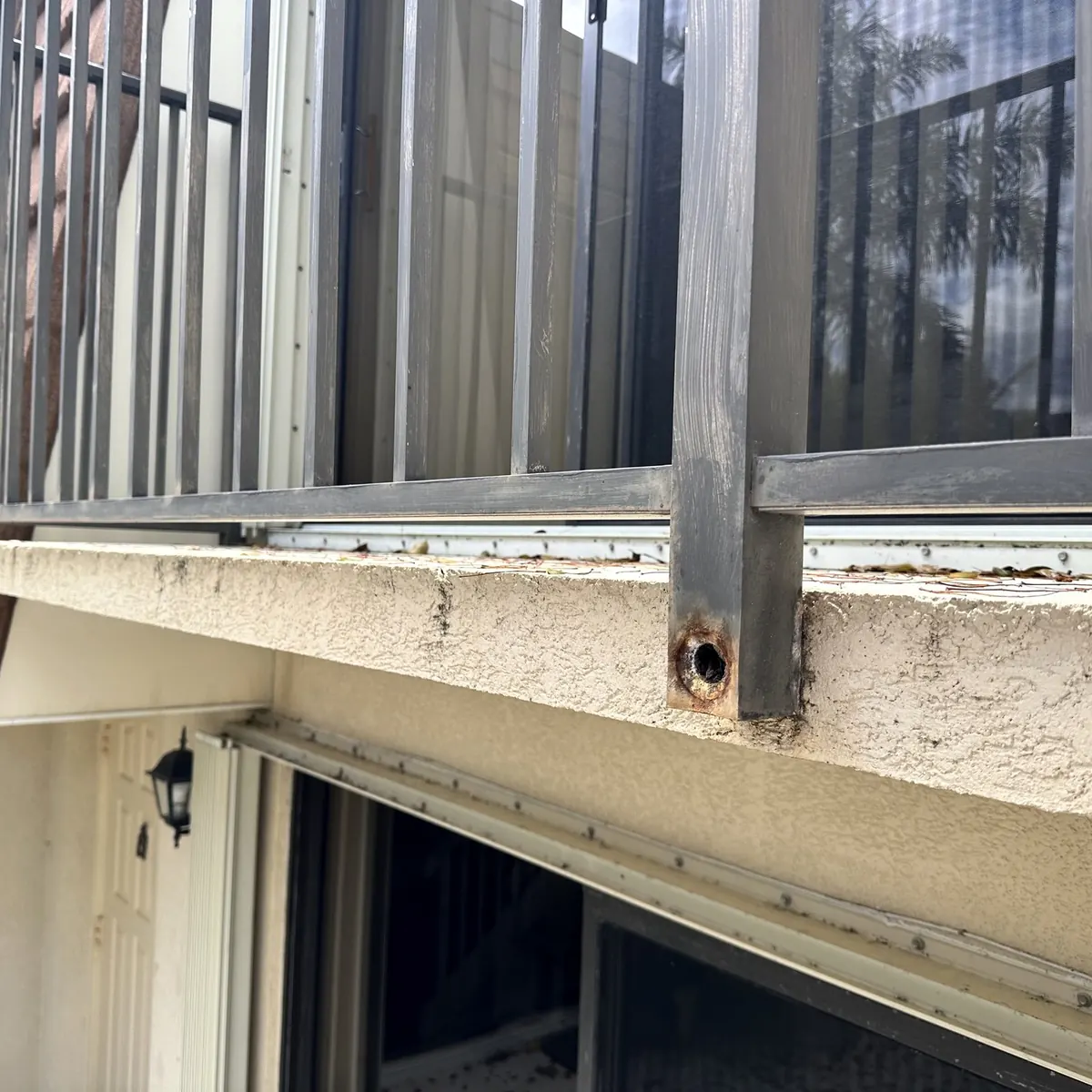
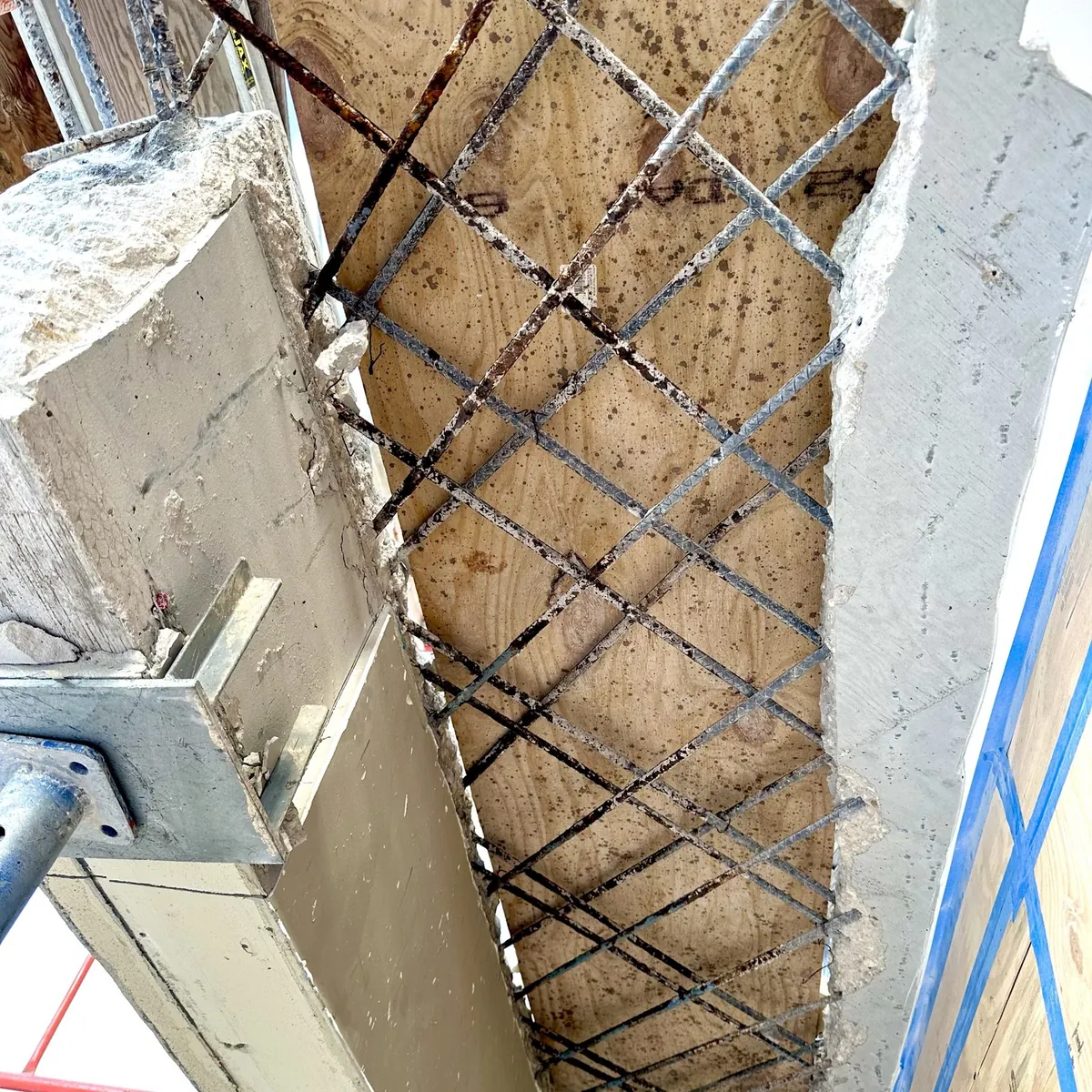
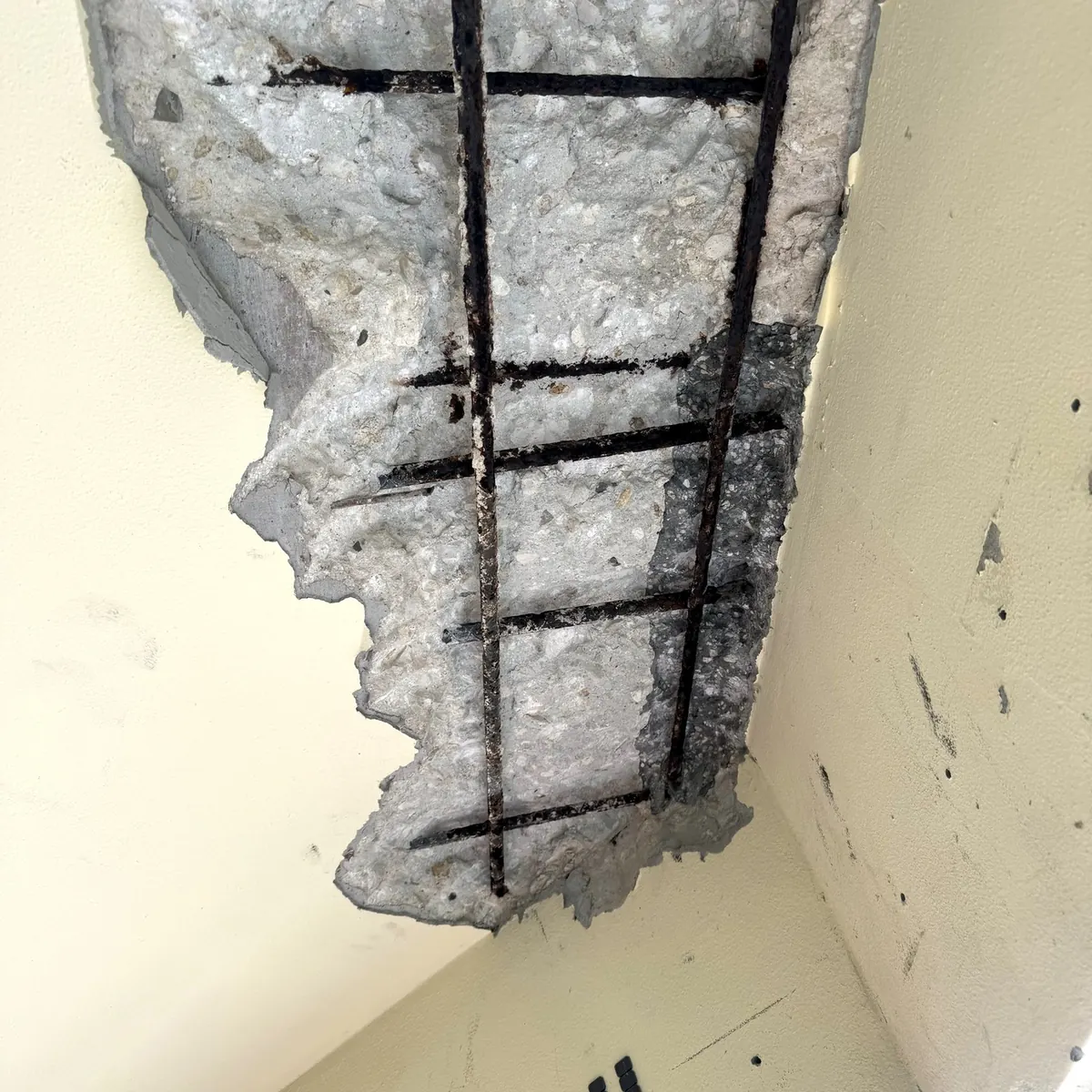
Fresh concrete protects steel chemically. Over time, chlorides from salt air and seawater soak in, and carbonation lowers the concrete's protective alkalinity. Once that protection is lost and water and oxygen are present, the steel rusts. Rust takes up more room than steel, which cracks and spalls the concrete. Our post on concrete cancer describes that cycle, and ACI 222R is the American Concrete Institute's guide to the subject.
The halo effect around patches
Here is a problem many boards never hear about. When a corroded area is repaired, the new patch is clean and alkaline, while the old concrete around it still holds chlorides. The steel at the edge of the patch can become the most active corrosion spot, and new damage appears in a ring around the repair. Engineers call this the halo effect or incipient anode effect. It is one reason some buildings see fresh spalling right beside last cycle's patches.
How cathodic protection works
Corrosion is an electrochemical reaction. The system supplies electrons to the steel so it stops acting as the corroding side. There are two main families:
- Galvanic, or sacrificial, anodes. Small zinc-based units tied to the rebar at the edges of repairs. The zinc corrodes instead of the steel. No power source is needed.
- Impressed current systems. A power supply drives a small current through anodes installed across a larger area. These protect more of a structure but need monitoring and maintenance.
On most condo repair projects we see, galvanic anodes at patch perimeters are the common choice, with the engineer setting their type and spacing.
Where cathodic protection fits in the repair sequence
- The engineer surveys the concrete and specifies repairs and anodes.
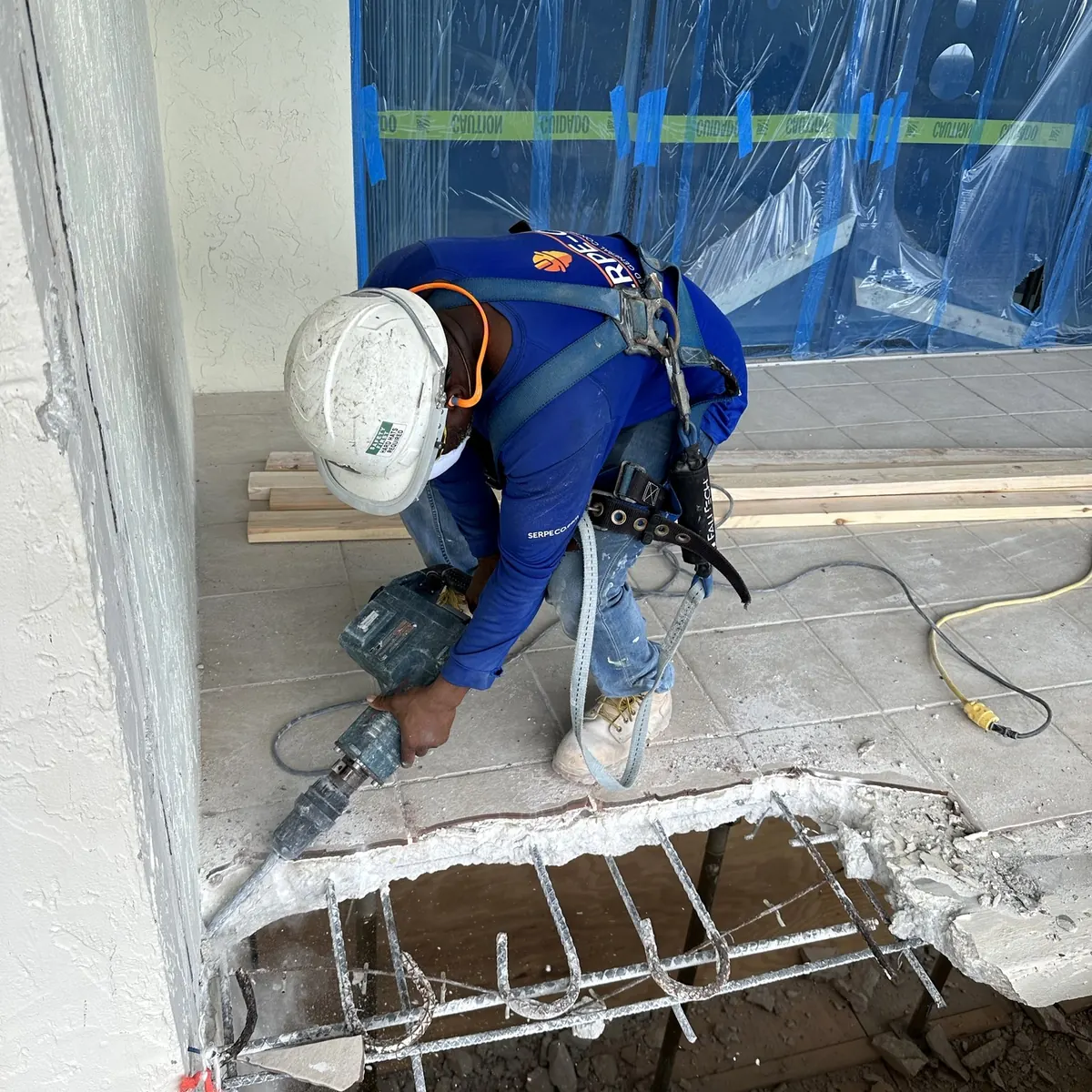
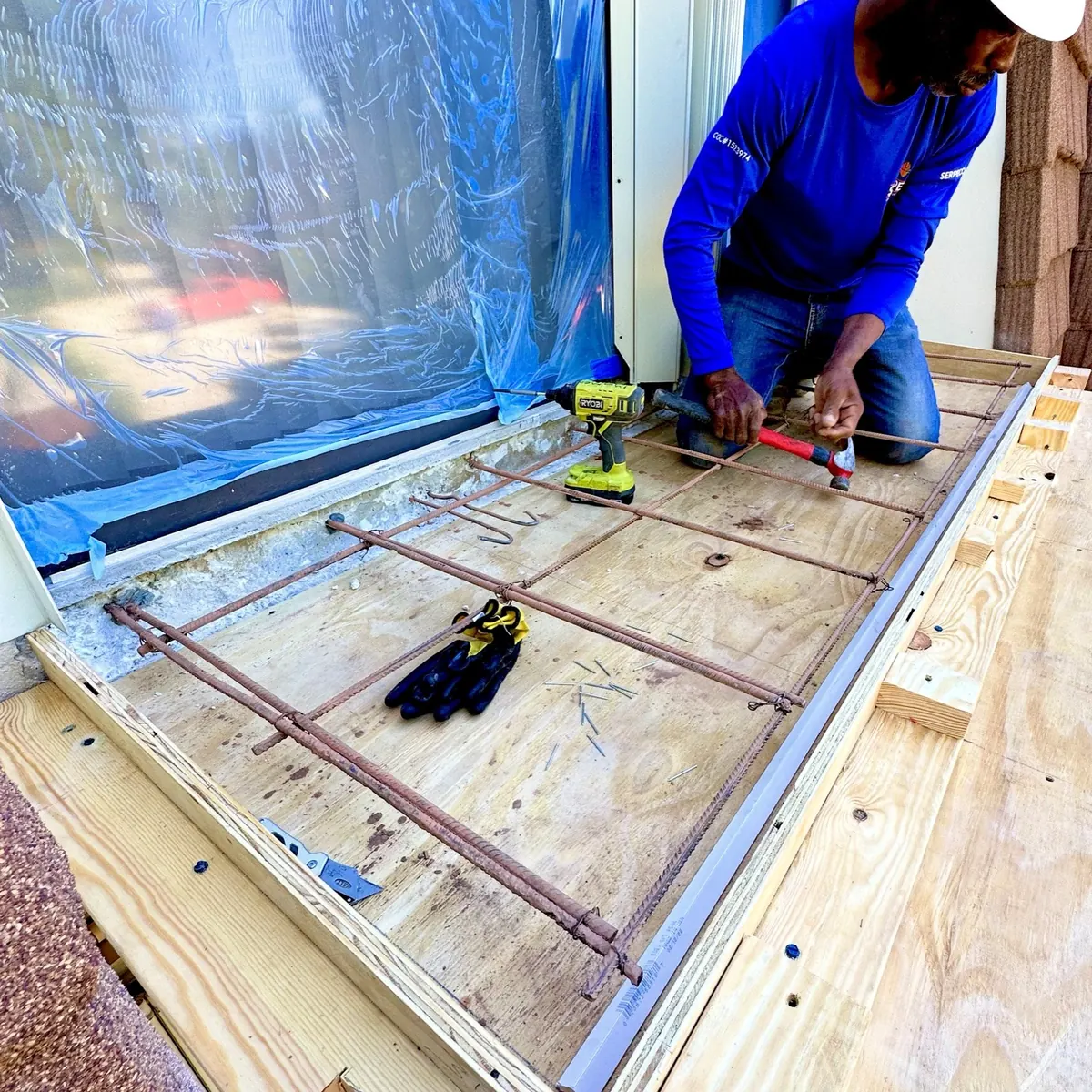
- Crews remove unsound concrete and expose the corroded steel.
- Steel is cleaned, and steel with too much section loss is replaced as the engineer directs.
- Anodes are tied to clean steel at the specified spacing, with electrical continuity checked.
- The repair is formed and filled with a compatible repair material.
- Waterproofing, sealants and coatings close the water path.
The repair material matters. Some products are too electrically resistive for anodes to work well, so the specification pairs the anode with a compatible mortar or concrete. Our spalling concrete post covers the rest of the repair sequence.
Anodes are not a substitute for water control
Anodes slow corrosion. They do not stop water from entering the slab. Lasting repairs still need the water path closed with membranes, sealants, joints and coatings. Our posts on waterproofing concrete and expansion joint repair explain those steps. Galvanic anodes also have a service life and are consumed over time, which belongs in long-term planning.
Questions boards can ask the engineer
- Do our chloride levels suggest the halo effect is a risk?
- Are galvanic anodes specified at patch perimeters, and at what spacing?
- Would a wider system be worth considering for heavily contaminated areas?
- Which repair materials are compatible with the anodes?
- How should the anodes be recorded for the next inspection and reserve study?
Industry guidance from the International Concrete Repair Institute covers anode installation and repair practices engineers often reference.
Recording anodes for the future
Anodes are buried inside the repair, so nobody will see them again. Ask the contractor for marked-up drawings showing where repairs were made and where anodes were installed. Keep those drawings with the permit records and the engineer's completion letter. The next inspector can then tell the difference between an old protected repair and a new problem, and the reserve professional can plan for the anodes' service life.
Photographs help as well. A few photos of each repair before it is closed, showing the cleaned steel and the anodes in place, give the board proof of what was built. Those records also help if a future buyer, lender or insurer asks how the building was repaired.
Why coastal buildings are higher risk
Buildings near the ocean take in more chlorides from salt spray, and balconies, slab edges and parapets facing the water usually show the most damage. Garages can collect salt carried in by cars and wind. Those are the areas where engineers most often consider anodes, because the concrete around a repair is more likely to be contaminated. Boards in oceanfront communities should ask the question early.
How SERPE-CO can help
SERPE-CO installs cathodic protection and builds the concrete repairs the engineer specifies on condominiums across Broward, Palm Beach and Miami-Dade. See our concrete restoration service and Miami-Dade County concrete restoration, then contact us or call (954) 718-3094.
CEO and co-founder of SERPE-CO, a family-owned Florida Certified General Contractor (CGC #1523974). In concrete restoration since 2005 and a contributor to the Florida Community Association Journal. This article is general information, not engineering or legal advice.