Concrete crack repair looks simple from the ground: fill the crack and paint over it. On a condominium, the right repair depends on why the crack formed, whether it is still moving and whether water has already reached the steel inside. A crack from drying shrinkage on a garage wall and a crack caused by corroding rebar at a balcony edge need very different treatments.
SERPE-CO is a Certified General Contractor in Pompano Beach that builds concrete restoration and structural repairs. Licensed engineers evaluate cracks and specify the repair. We price that scope and build it. This post explains the common methods so boards can follow the engineer's recommendations.
Why cracks form in condo concrete
Concrete cracks for many reasons. Some are harmless, and some are early warnings. Common causes include:
- Drying shrinkage. Concrete shrinks as it cures and dries, leaving fine cracks.
- Thermal movement. Sun-baked decks and walls expand and contract daily.
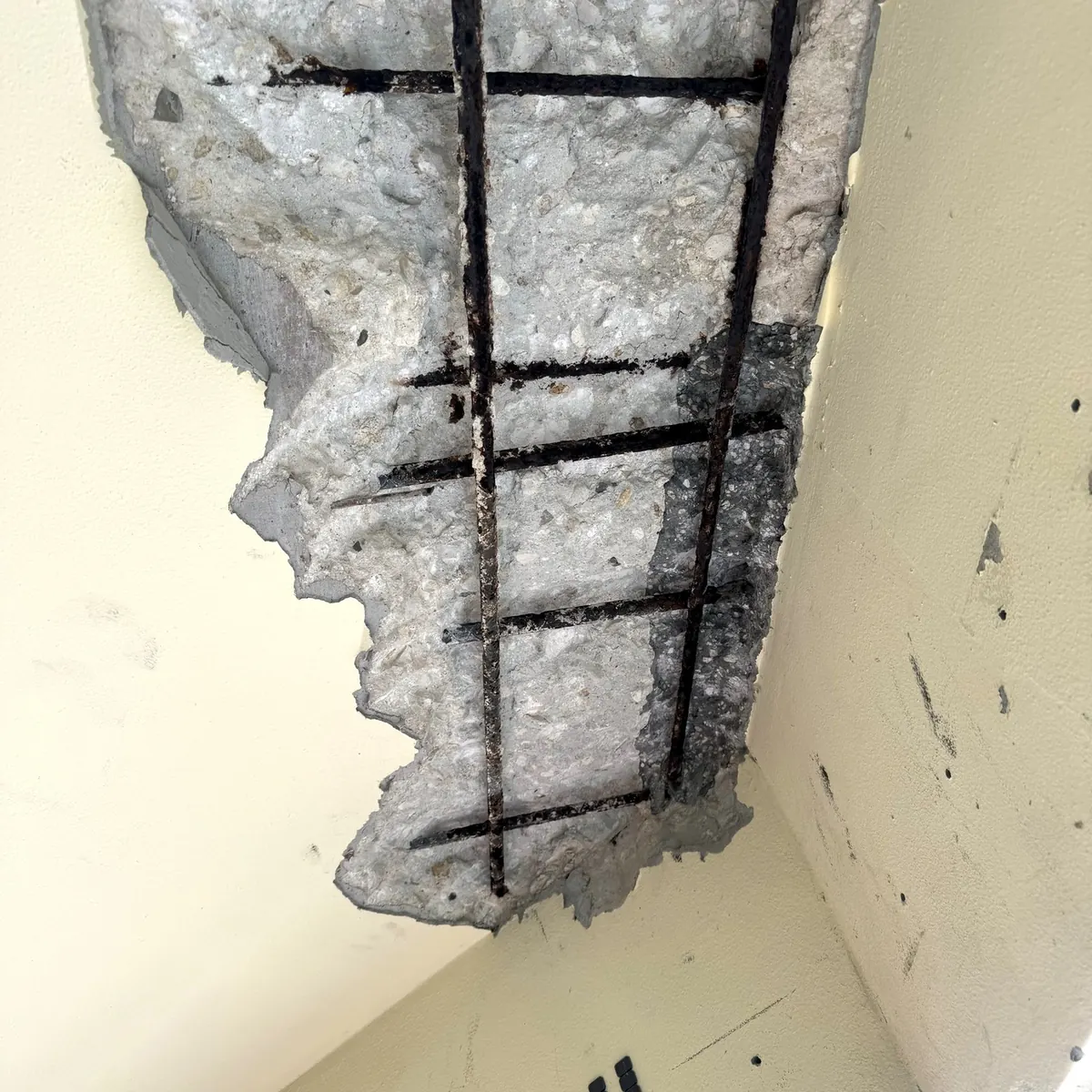
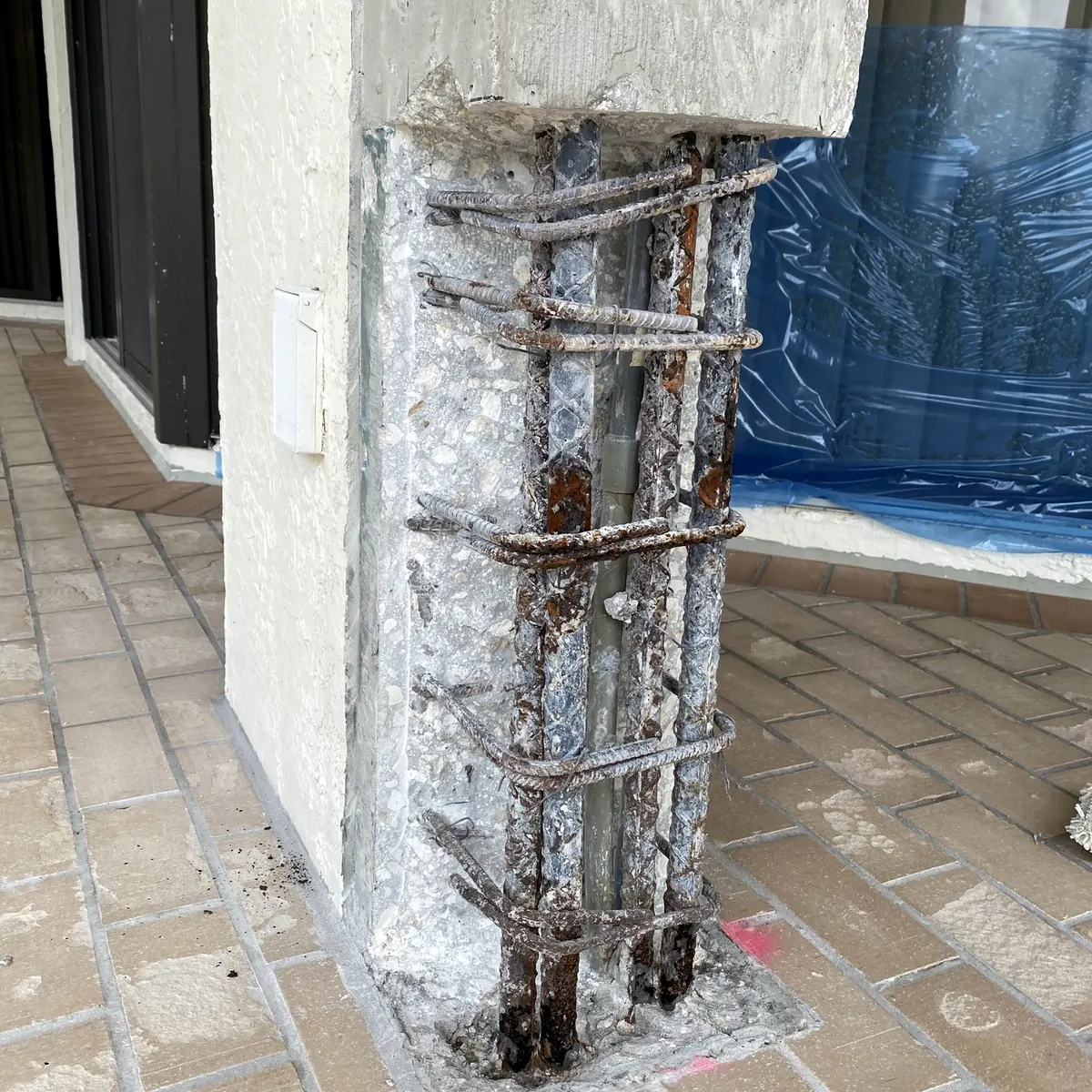
- Corroding reinforcing steel. Rust takes up more room than steel and pushes the concrete apart.
- Overload or settlement. Structural cracks that need an engineer's attention.
- Missing or failed joints. Concrete that has nowhere to move cracks on its own.
The American Concrete Institute's guide on cracking, ACI 224.1R, is a standard reference engineers use to evaluate causes and choose repairs.
Who decides the concrete crack repair method
The engineer. A crack's width, length, location, movement and cause all shape the right repair. Some cracks need monitoring only. Others are symptoms of corroded steel, and sealing the surface would hide a growing problem. Our posts on rust stains on concrete and concrete cancer explain the corrosion cracks that need more than a filler.
5 common concrete crack repair methods
1. Routing and sealing
The crack is widened into a small groove at the surface, cleaned and filled with a flexible sealant. Common on decks and walls where cracks still move a little and the goal is to keep water out. Routing and sealing does not restore strength.
2. Epoxy injection
Low-viscosity epoxy is pressure-injected into a dormant crack to bond the two sides back together. The engineer uses it when a crack is not moving and structural continuity matters. Epoxy injection does not suit active cracks or cracks caused by corroding steel.
3. Polyurethane injection
Flexible or foaming polyurethane is injected to stop active leaks, often in garage walls or below-grade areas. It seals water paths but does not bond the concrete structurally.
4. Partial-depth or full-depth concrete repair
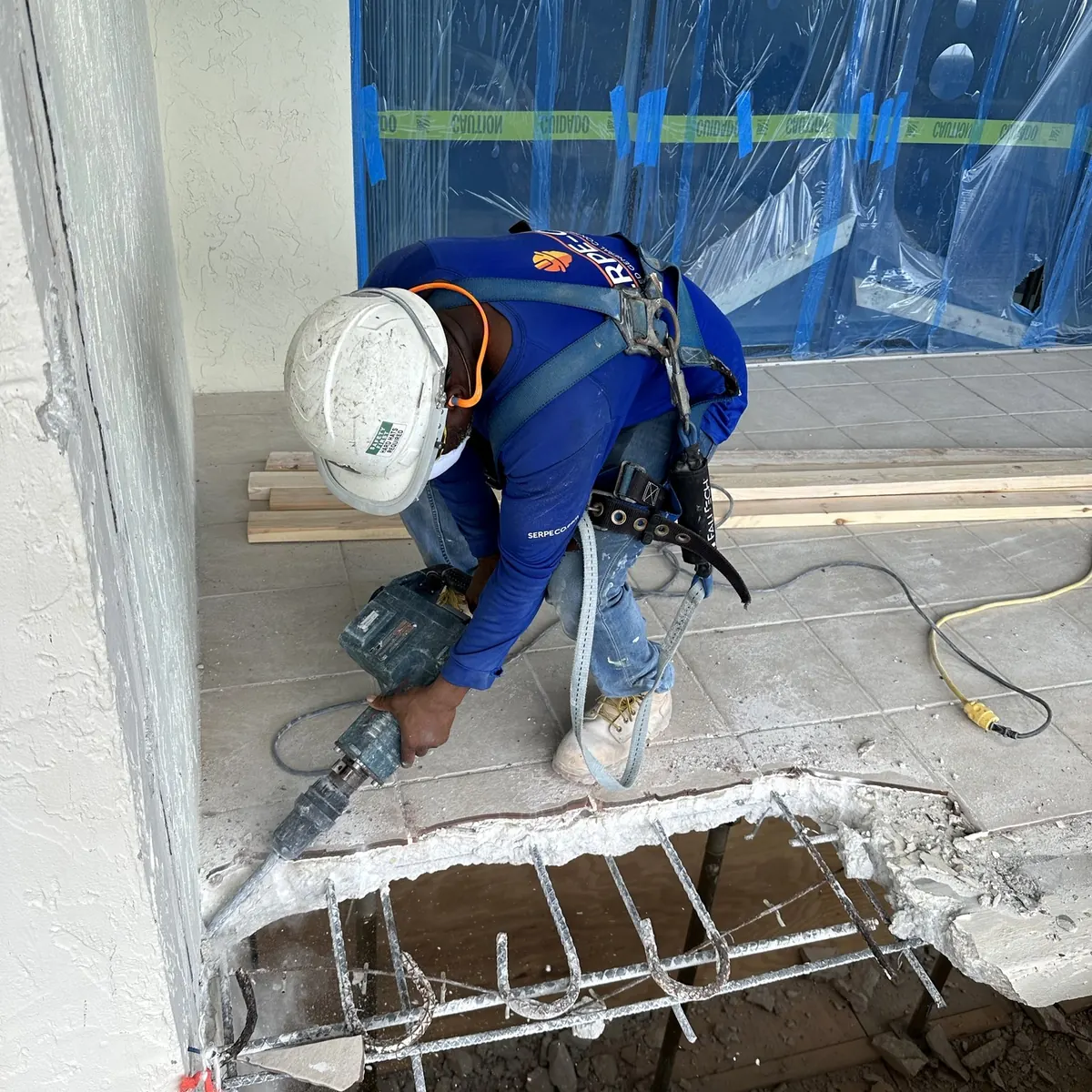
When cracks come from corroding steel or delamination, the unsound concrete is removed, the steel cleaned or replaced and the section rebuilt with repair mortar or new concrete. Our spalling concrete post walks through that sequence.
5. Coatings and membranes
Elastomeric coatings, traffic coatings and waterproofing membranes can bridge fine cracks and keep water out after repairs are made. They protect, but they do not repair. Our elastomeric paint post covers wall coatings.
Why surface filling often fails
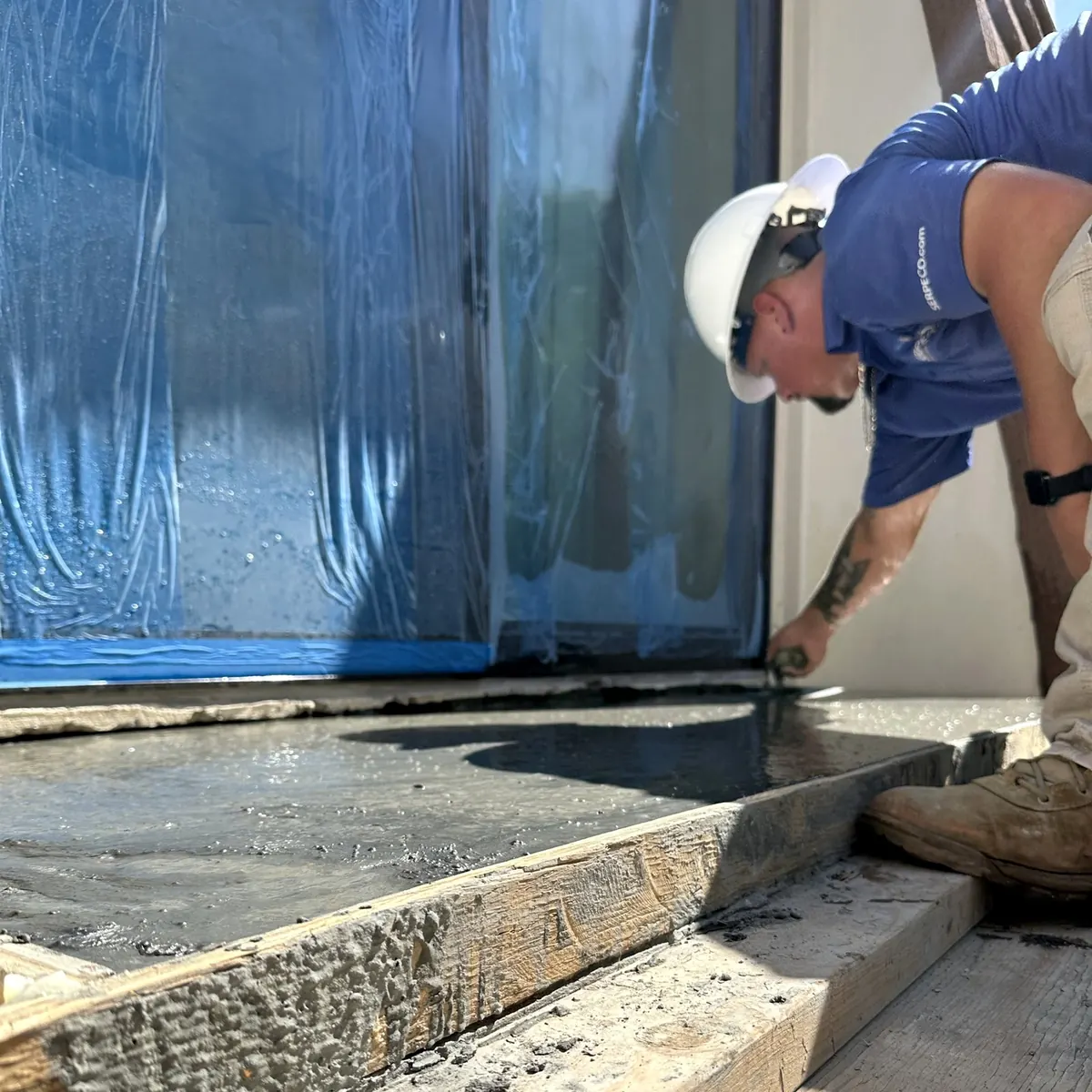
Filling a crack with a rigid patch is the most common quick fix and the most common failure. If the crack is still moving, a rigid filler cracks again beside it. If corroding steel caused the crack, the rust keeps expanding under the patch, and the patch pops off with fresh concrete attached. That is why concrete crack repair on condos starts with the cause, not the crack.
Patching also hides information. A filled crack no longer tells the engineer whether it is growing. Boards should avoid cosmetic patching on structural elements before the engineer has evaluated them.
Monitoring cracks between inspections
- Photograph cracks with a ruler or crack gauge for scale and the date.
- Mark the ends lightly so you can see if they lengthen.
- Note rust stains, efflorescence or water near the crack.
- Report new or growing cracks on columns, beams, balconies and slab edges to the engineer.
White deposits along a crack mean water is moving through it. Our efflorescence post explains those stains.
Repair guidance engineers use
Specifications for concrete repair commonly reference guidance from the International Concrete Repair Institute and the American Concrete Institute. These documents cover surface preparation, material selection and quality checks, so repairs bond well and last. Following them is part of building the engineer's scope correctly.
Cracks in specific places
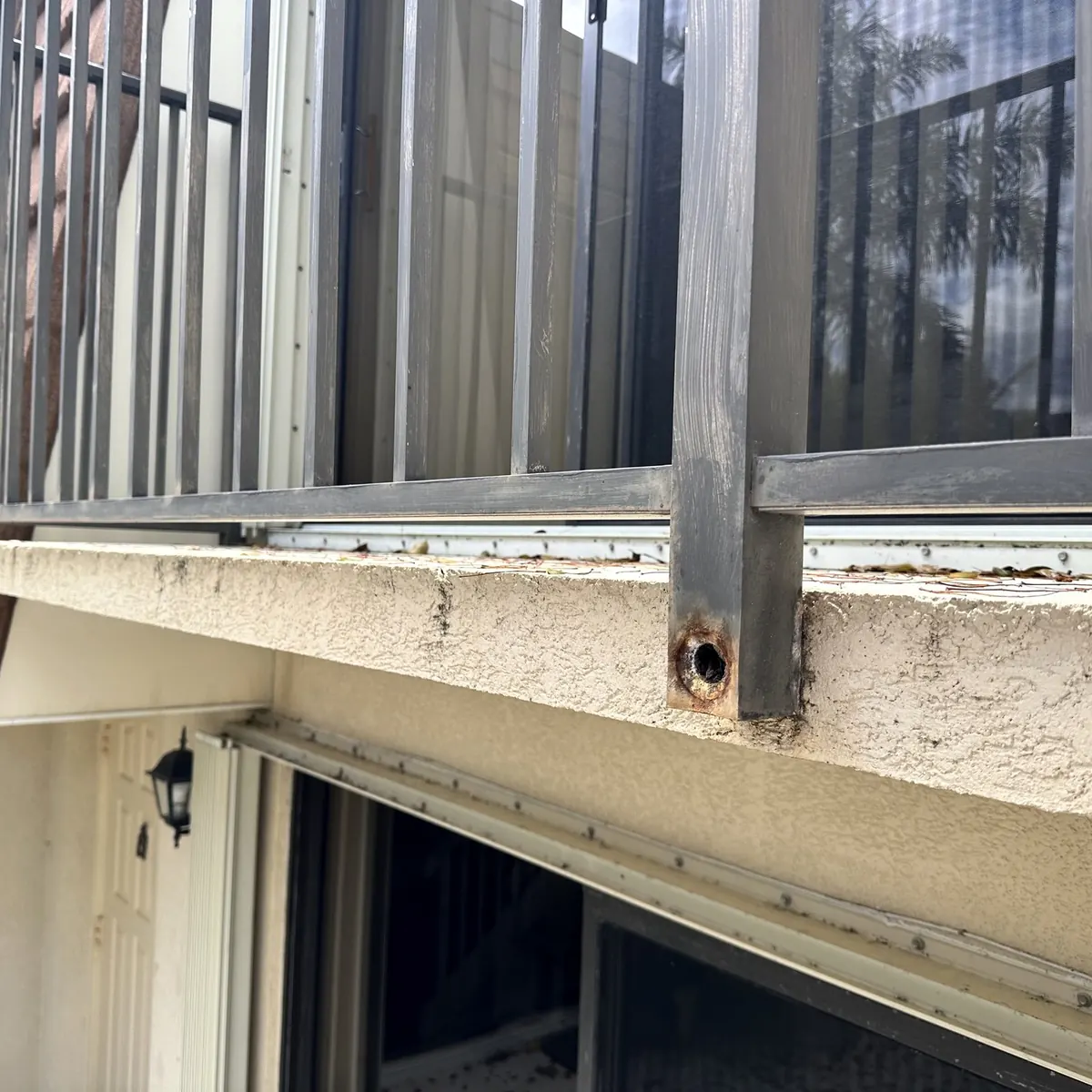
Location changes the meaning of a crack. A crack along a balcony slab edge with a rust stain often points to corroding steel near the surface. A crack running through a garage deck can leak water and salt onto cars and the slab below. Diagonal cracks near window corners in stucco may come from movement, while cracks around railing posts usually start with water entering the post pocket.
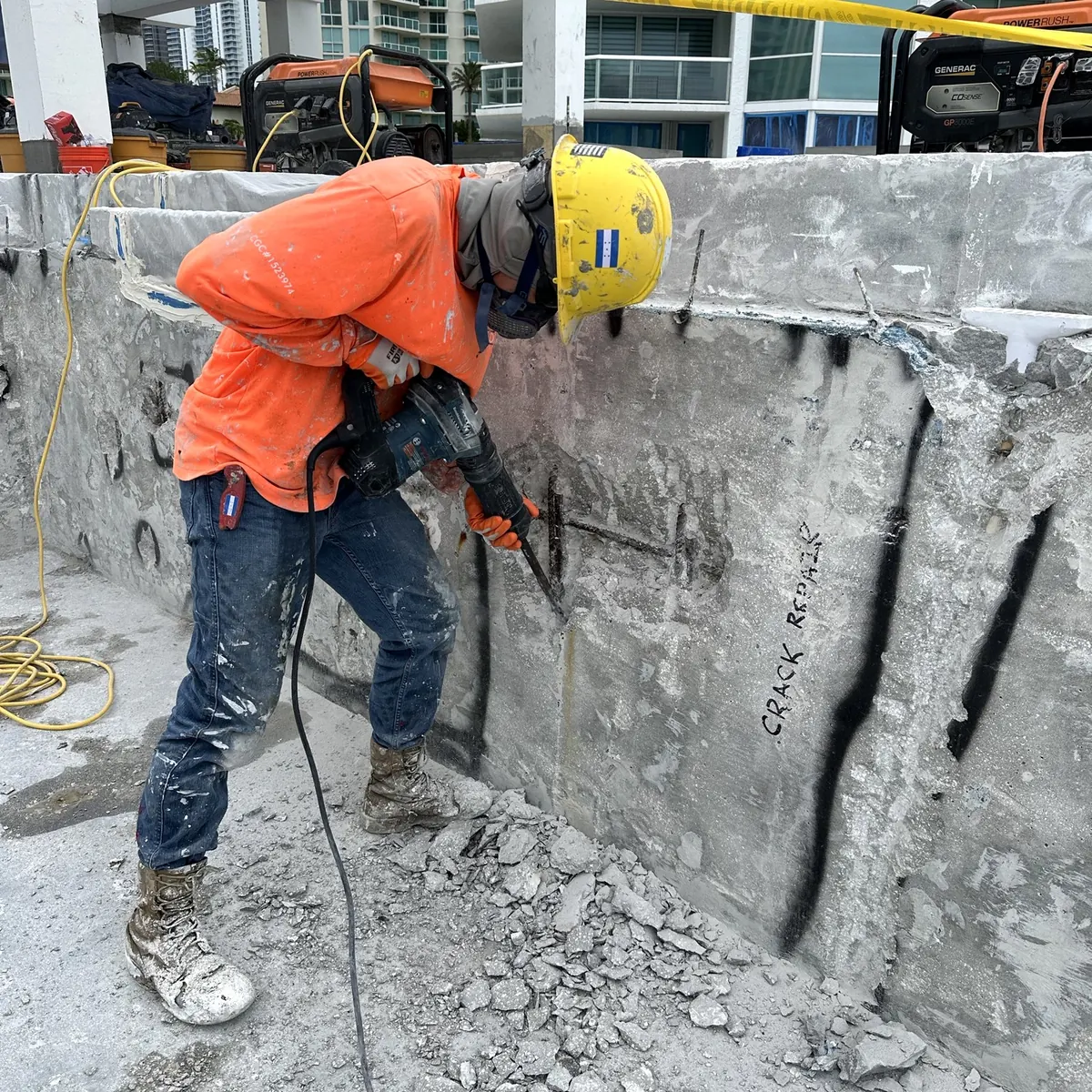
Pool shells, planters and decks have their own patterns. On condominiums such as Oceania IV, cracks in the pool wall were marked and chased before repair. Each location calls for the engineer's judgment about cause and method, which is why a single product rarely fits every crack on a building.
How SERPE-CO can help
SERPE-CO prices and builds the engineer's concrete crack repair scope, from injection and sealing to full-depth repairs, on condominiums across Broward, Palm Beach and Miami-Dade. See our concrete restoration service and Palm Beach County concrete restoration, then contact us or call (954) 718-3094.

CEO and co-founder of SERPE-CO, a family-owned Florida Certified General Contractor (CGC #1523974). In concrete restoration since 2005 and a contributor to the Florida Community Association Journal. This article is general information, not engineering or legal advice.