A structural integrity reserve study, usually called a SIRS, is a reserve plan that Florida law requires for many condominium buildings. It looks at the parts of a building that keep it standing and dry, estimates how long each will last and sets the money the association should put aside to repair or replace them. For boards, the study turns building science into a funding schedule.
SERPE-CO is a Certified General Contractor in Pompano Beach that builds concrete, waterproofing and painting repairs on condominiums. We do not prepare reserve studies or inspections. This article explains how the study connects to the work we see in the field. Ask your attorney and reserve professional about your building's specific duties.
Who needs a structural integrity reserve study
Florida Statute 718.112(2)(g) requires a residential condominium association to complete a SIRS for each building of three or more habitable stories, at least every 10 years. Associations that existed on or before July 1, 2022 and are controlled by unit owners had to complete their first SIRS by December 31, 2025.
An association that must also complete a milestone inspection by December 31, 2026 may do both together, but the study may not be completed after that date. Cooperative boards should ask their attorney which reserve rules in Chapter 719 apply to them.
Who can prepare the study
The statute allows a Florida-licensed engineer or architect, or a reserve specialist or professional reserve analyst certified by the Community Associations Institute or the Association of Professional Reserve Analysts. A qualifying milestone inspection from the past 5 years can replace the visual portion of the study, which is one reason many boards schedule the two together.
What a structural integrity reserve study covers
The statute lists the components. Each one is a system that, if it fails, puts the building's structure or weather protection at risk:
- The roof.
- The structure, including load-bearing walls and primary structural members and systems.
- Fireproofing and fire protection systems.
- Plumbing and electrical systems.
- Waterproofing and exterior painting.
- Windows and exterior doors.
- Any other item above the statute's cost threshold whose failure would affect those components.
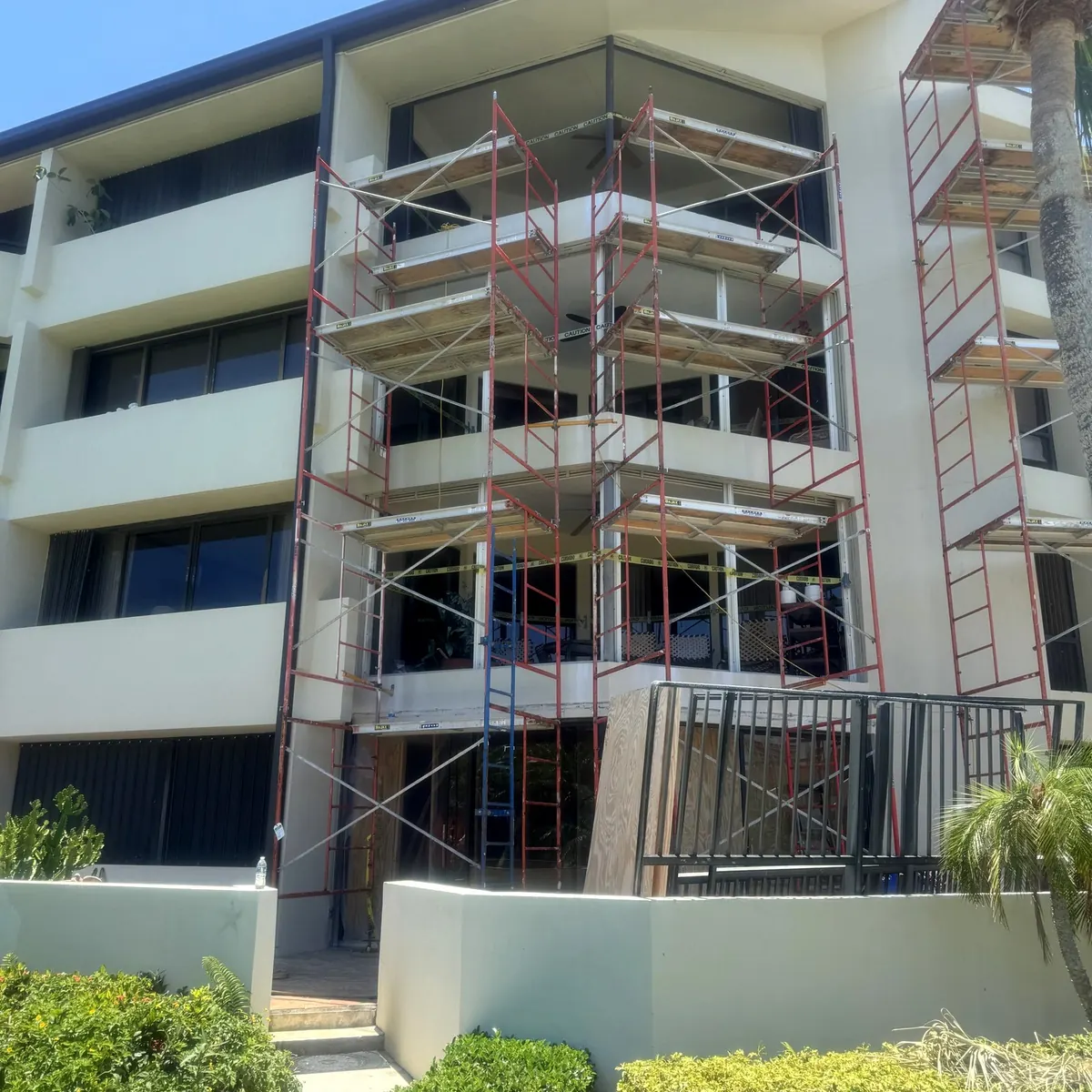
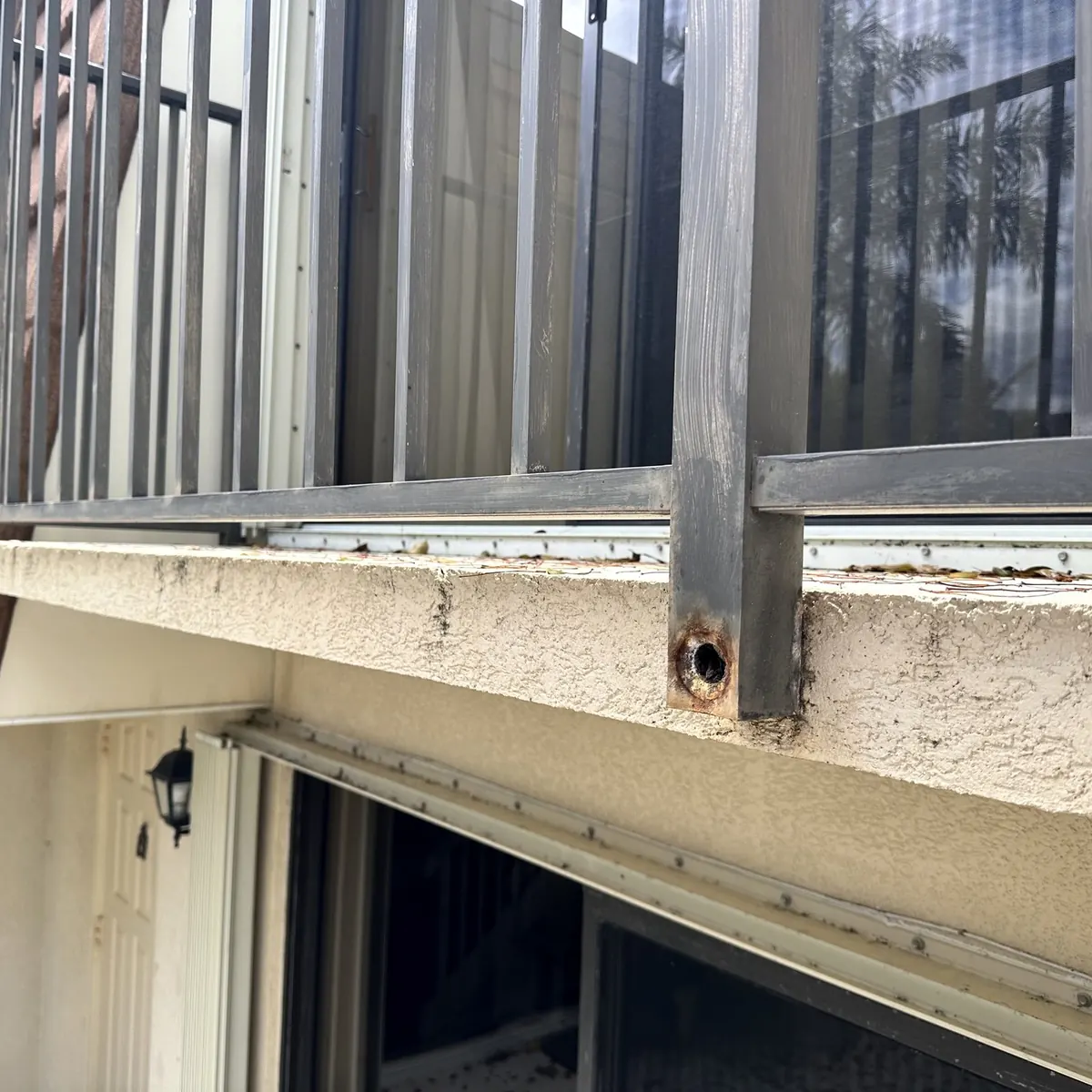
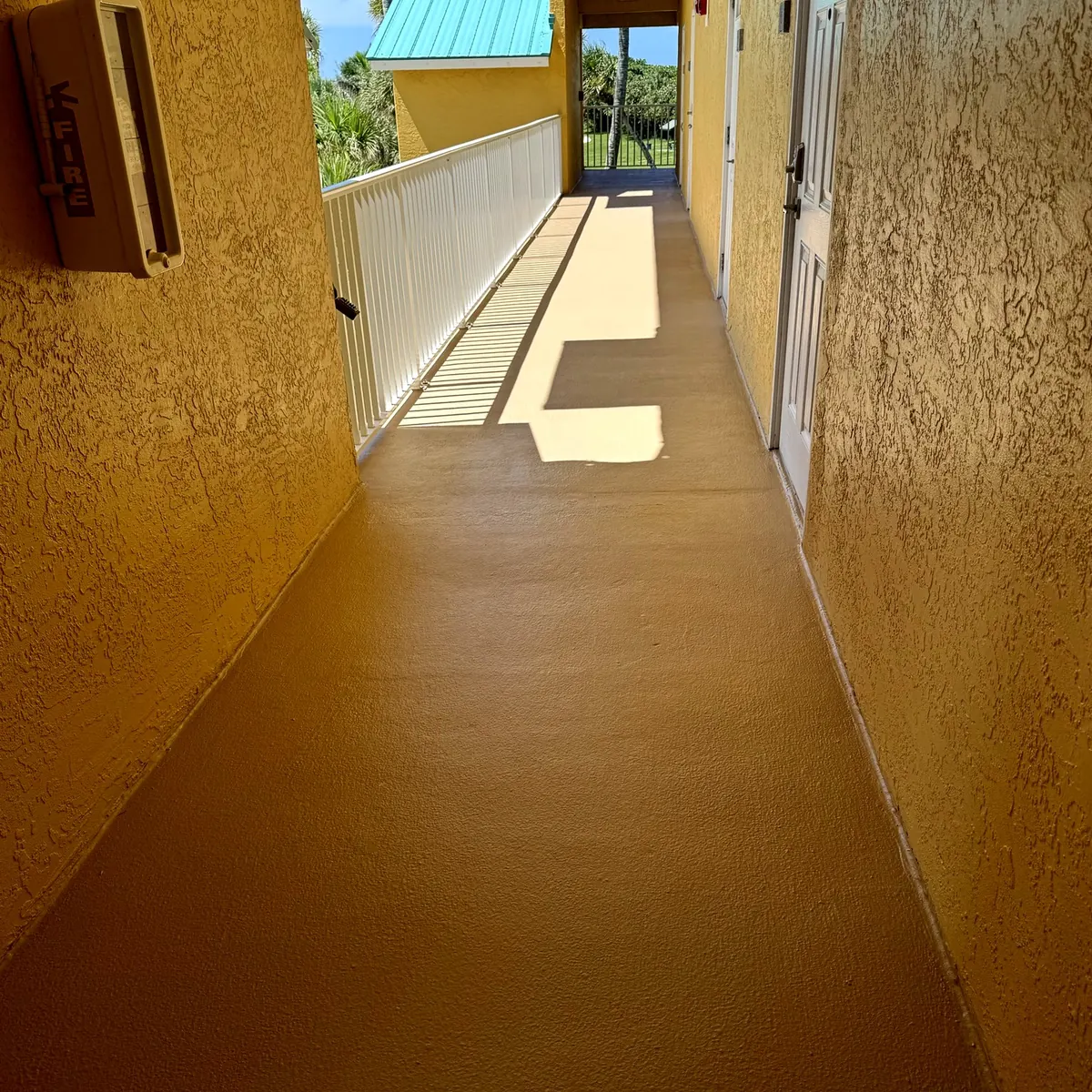
Several of those items are exactly what our crews work on, from window sealants to deck coatings: the concrete structure, waterproofing, exterior painting and windows and exterior doors. When the study sets a useful life for a coating or a paint system, it is predicting a future project.
How the SIRS and the milestone inspection work together
The milestone inspection report says what is wrong with the building now. The SIRS says what each major component will need over its remaining life. One is a snapshot, and the other is a calendar. Read together, they show the board which repairs are urgent, which can be planned and how much money each year should set aside.
Our post on the Florida milestone inspection walks through the inspection steps, and the milestone inspection guide compares state and county rules. The study's numbers are only as good as the condition information behind them, so a recent, thorough inspection makes the reserve plan far more realistic.
Funding rules boards should understand
Under Statute 718.112, reserves can be funded through regular assessments, special assessments, lines of credit or loans. A special assessment, line of credit or loan requires approval by a majority of the total voting interests. Reserve funds for the SIRS components may be used only for the replacement or deferred maintenance of those components, so the money set aside for structure and waterproofing stays with structure and waterproofing.
The Legislature has amended these rules several times since 2022, including in 2026. Read the current text with your attorney rather than relying on an older summary. Our post on special assessments covers how boards plan for large repair bills.
Turning the study into a repair schedule
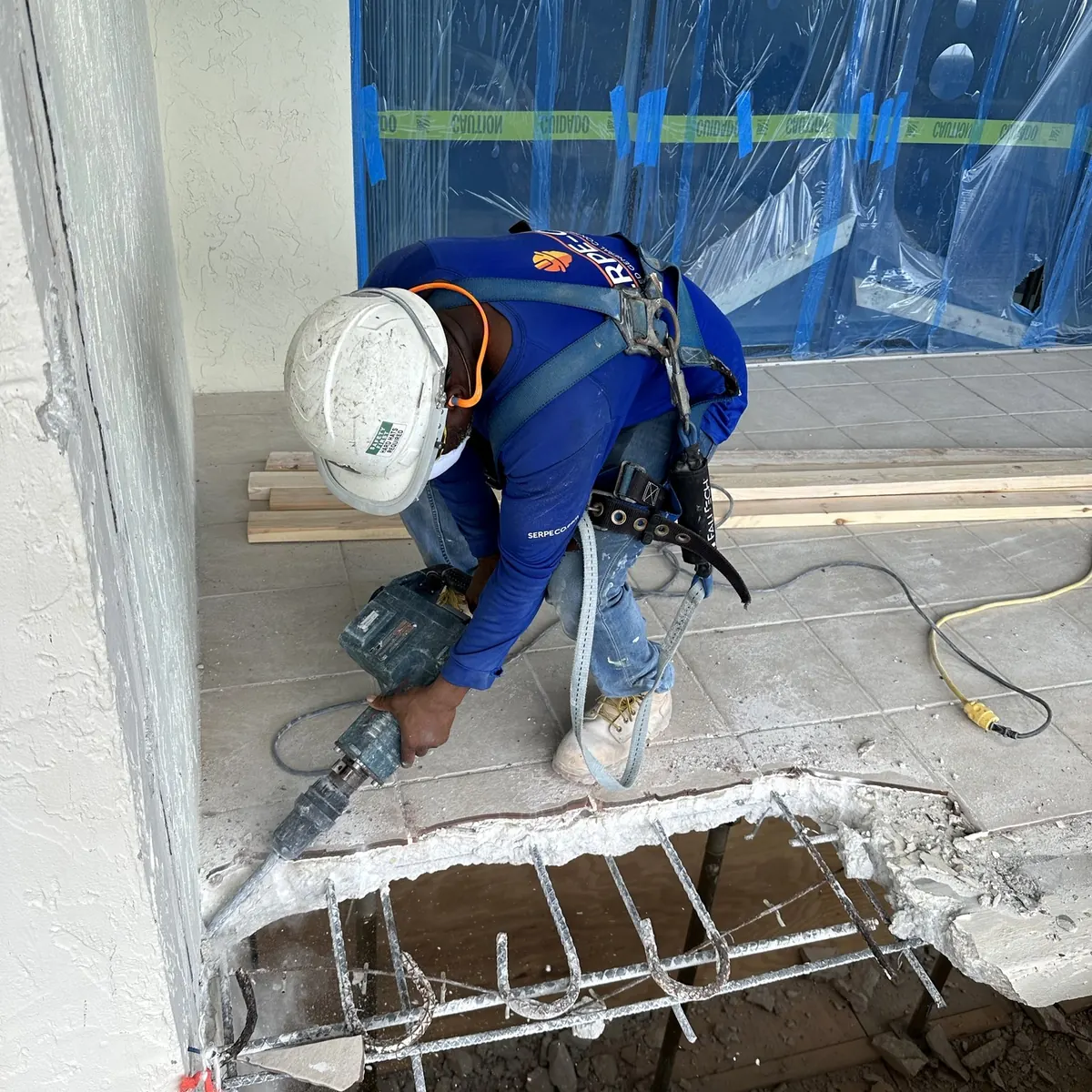
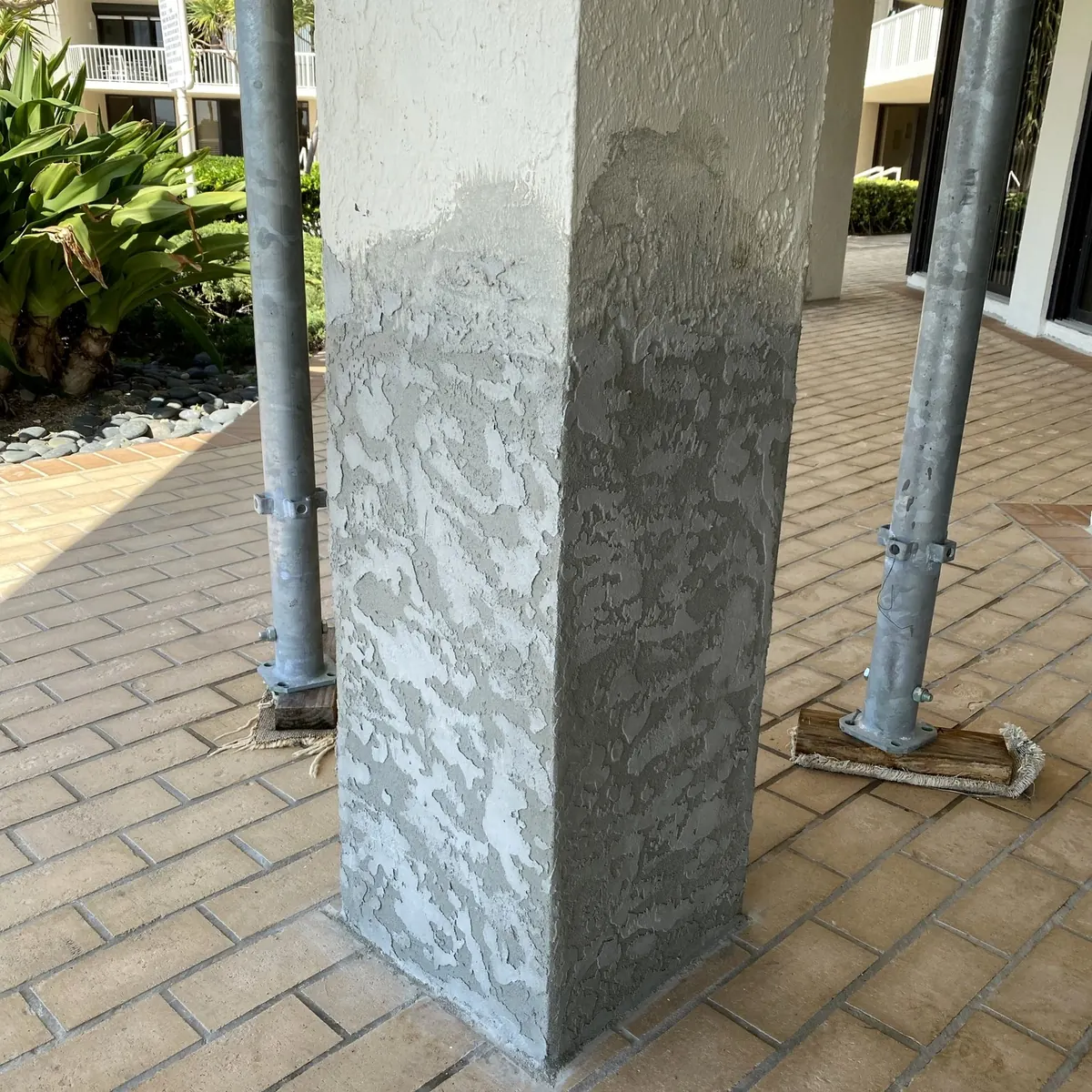
A good SIRS is not a document that sits on a shelf. Boards use it to plan the order of work. Concrete repairs usually come first, because coatings and paint applied over corroding concrete will fail early. Waterproofing and sealants follow, and painting closes the envelope. Planning in that order avoids paying twice for the same wall.
Phasing also helps cash flow. A board might complete the structural repairs called out in the milestone report in one season, then schedule the waterproofing and painting the study predicts for a later year. The engineer decides what is required and when. The contractor's job is to price and build each phase as the engineer specifies.
Questions to ask your reserve professional
- Which components are near the end of their useful life, and what condition data supports that?
- How does the study use our latest milestone inspection findings?
- What is the recommended funding plan, and what happens if we phase work differently?
- Which items should we coordinate so concrete work comes before coatings and paint?
- When is the next study due, and what records should we keep for it?
Common gaps between the study and the field
Reserve studies estimate. Field work measures. The two rarely match exactly, and boards should expect some difference. A study may assume a coating has five years left, while the contractor's crew finds blistering and trapped water once the old coating is scraped. A concrete allowance may look generous until the first balcony is opened and the engineer finds more corroded steel than anyone could see from the surface.
The fix is communication. Share the reserve study with your engineer before repair documents are drawn, and share the engineer's findings with your reserve professional after each project. Each update narrows the gap between the forecast and the building's real condition, and the next funding plan gets more accurate.
Boards can also ask contractors for unit prices on common repair types during bidding. Unit prices for concrete repair by square foot, crack repair by linear foot and sealant replacement by linear foot give the reserve professional real local numbers to work with. Those figures stay in the board's files and make future estimates far more grounded.
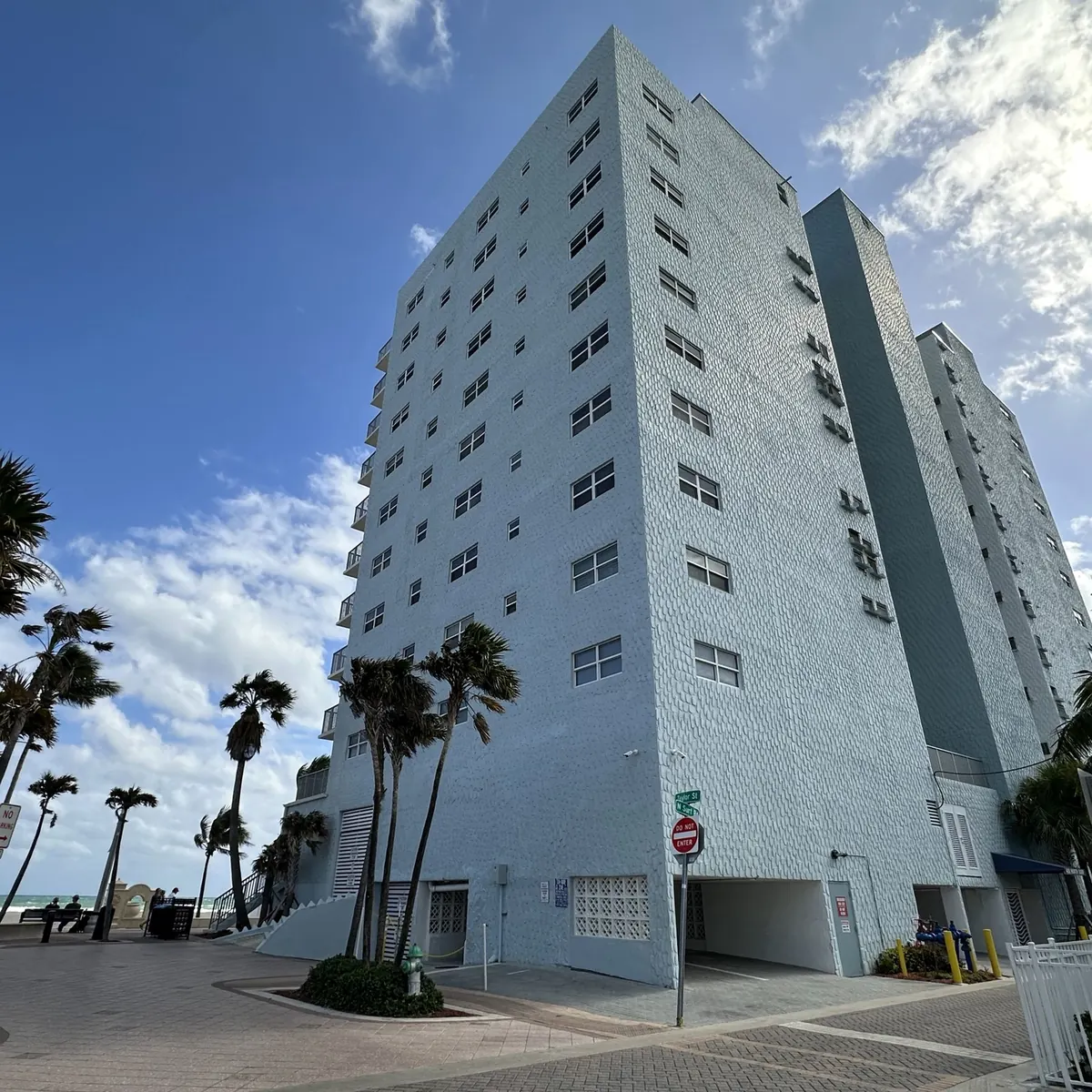
Finally, watch for components the study groups together. Waterproofing and exterior painting often appear as one line, yet on a coastal tower they may follow different cycles. Ask the reserve professional to break them out if your building's coatings, sealants and paint are on different schedules.
Records that make the next study easier
Keep the milestone report, repair documents, permits, close-out letters and warranty information from every project. The next reserve professional can then see what was replaced and when, instead of estimating. Complete records also help owners and buyers understand the building's condition and history.
Photographs help too. Before-and-after photos of repaired areas, coating systems and sealant joints give the next inspector and reserve analyst a clear baseline for judging how each component is aging.
How SERPE-CO can help
When your SIRS and engineer's documents point to concrete, waterproofing or painting work, SERPE-CO prices the engineer's scope and builds it under permit across Broward, Palm Beach and Miami-Dade. Boards in Broward County and beyond can contact us or call (954) 718-3094.

CEO and co-founder of SERPE-CO, a family-owned Florida Certified General Contractor (CGC #1523974). In concrete restoration since 2005 and a contributor to the Florida Community Association Journal. This article is general information, not engineering or legal advice.