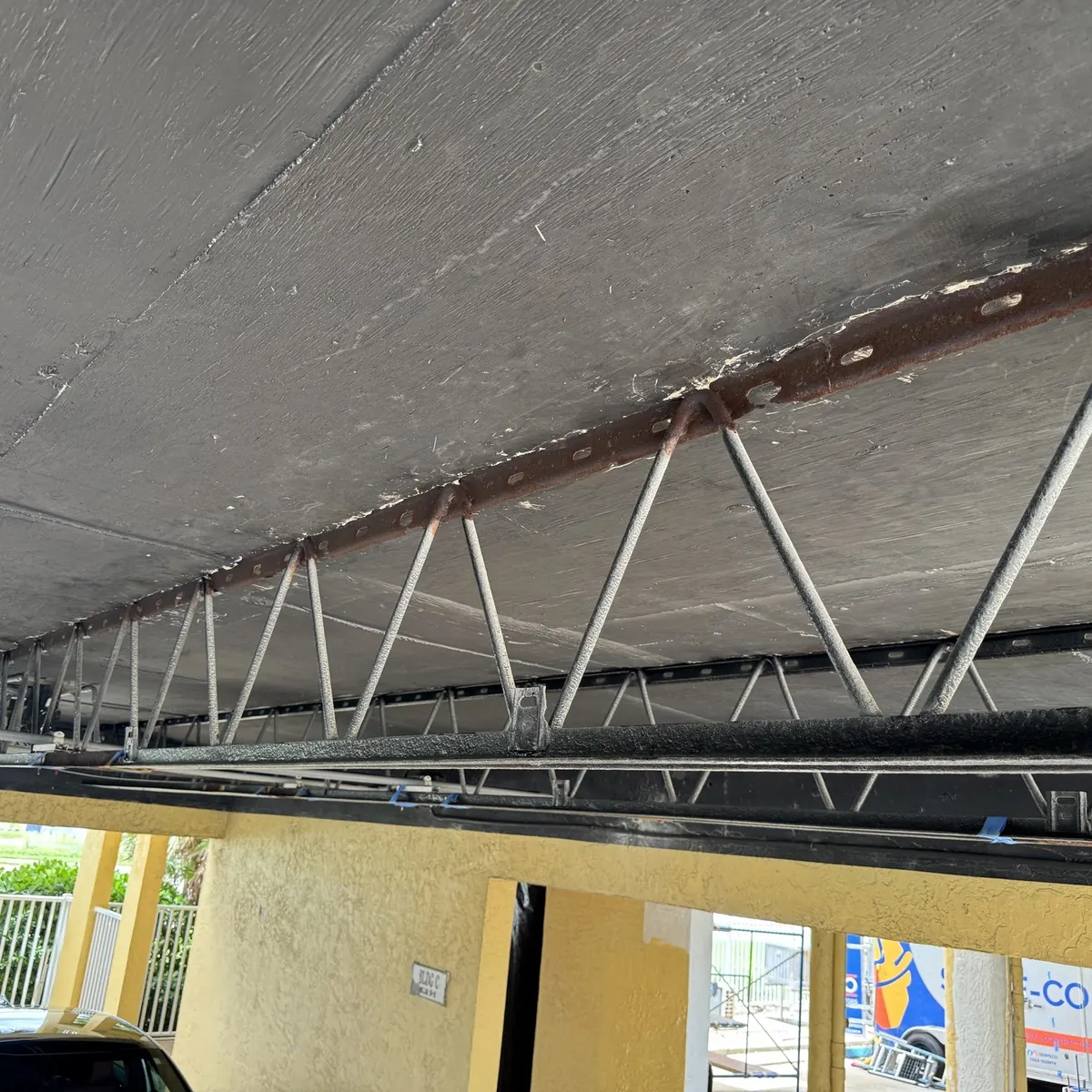
Expansion joint repair is one of the most common fixes on condominium garages, pool decks and walkways. Large concrete structures need gaps where sections can move with heat, cold and settling. Those gaps are sealed with flexible materials. When the seal fails, water and salt pour straight through, staining garage ceilings, corroding steel at the joint edges and dripping on cars below.
SERPE-CO is a Pompano Beach Certified General Contractor that builds concrete restoration, waterproofing and garage repairs. The engineer specifies the joint system and the repairs around it. We price that scope and build it. Here is what boards should know.
What an expansion joint does
An expansion joint is a full separation between two parts of a structure. It lets each side expand, contract and shift without cracking the concrete. Control joints are different: they are planned weak lines that guide shrinkage cracks to a straight line. Both need sealing, but expansion joints move much more and need systems built for that movement. The American Concrete Institute's guide ACI 504R covers joint sealing in concrete structures.
How joints fail
- Sealants harden, crack or pull away from the concrete edges.
- Rubber glands tear or pop out under traffic.
- Joint edges spall, leaving nothing solid for the seal to grip.
- Debris packs into the joint and blocks movement.
- Coatings are run across joints and crack along the line.
Leaks at joints usually show up as stains, efflorescence or drips on the level below. Our efflorescence post explains those white deposits.
Expansion joint repair options
Sealant replacement
For narrower joints with modest movement, the old sealant is cut out, edges are cleaned and repaired, backer rod is installed and new sealant is tooled in. The joint shape is sized so the sealant can stretch without tearing.
Preformed compression seals and glands
Rubber or foam seals are set into the joint under compression. They handle more movement and are common in garages and plazas.
Engineered joint systems with nosings
Wider joints in drive lanes may need a system with elastomeric concrete or metal nosings on each side that protect the edges from tires, with a flexible seal between. These are designed for traffic and larger movement.
Edge repairs
No seal works against crumbling edges. Spalled joint edges are saw-cut, removed and rebuilt with repair material before the new system goes in.
Joints and coatings work together
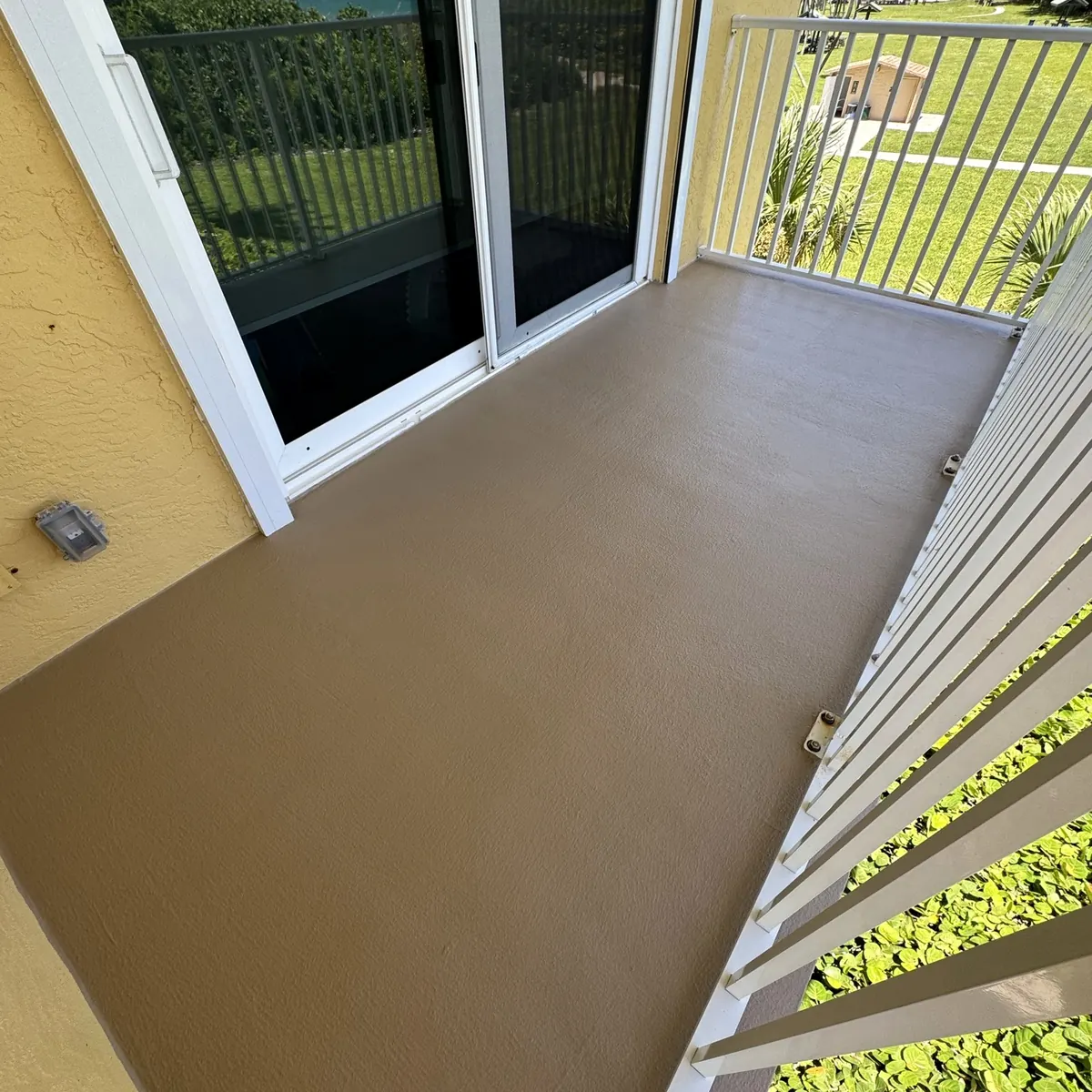
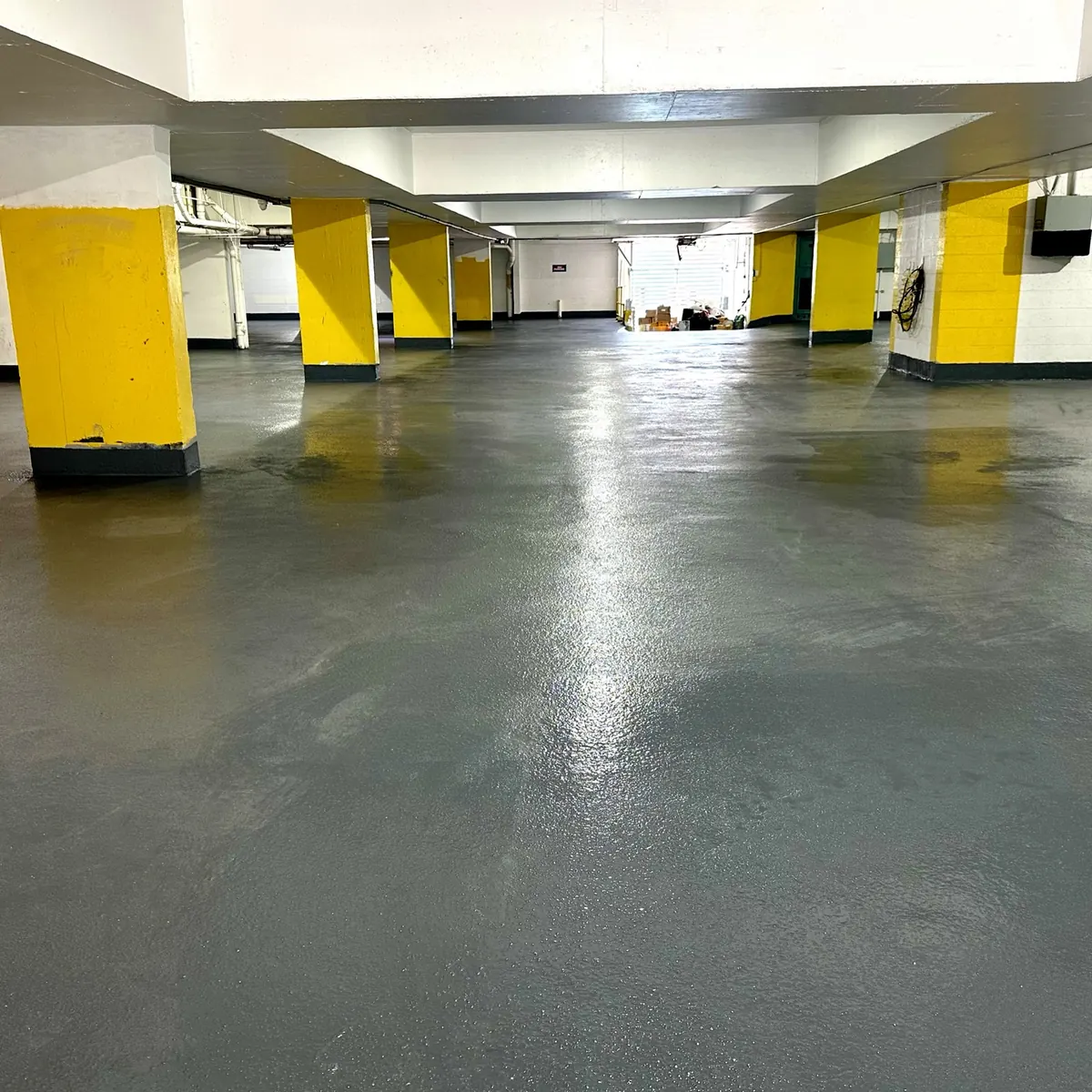
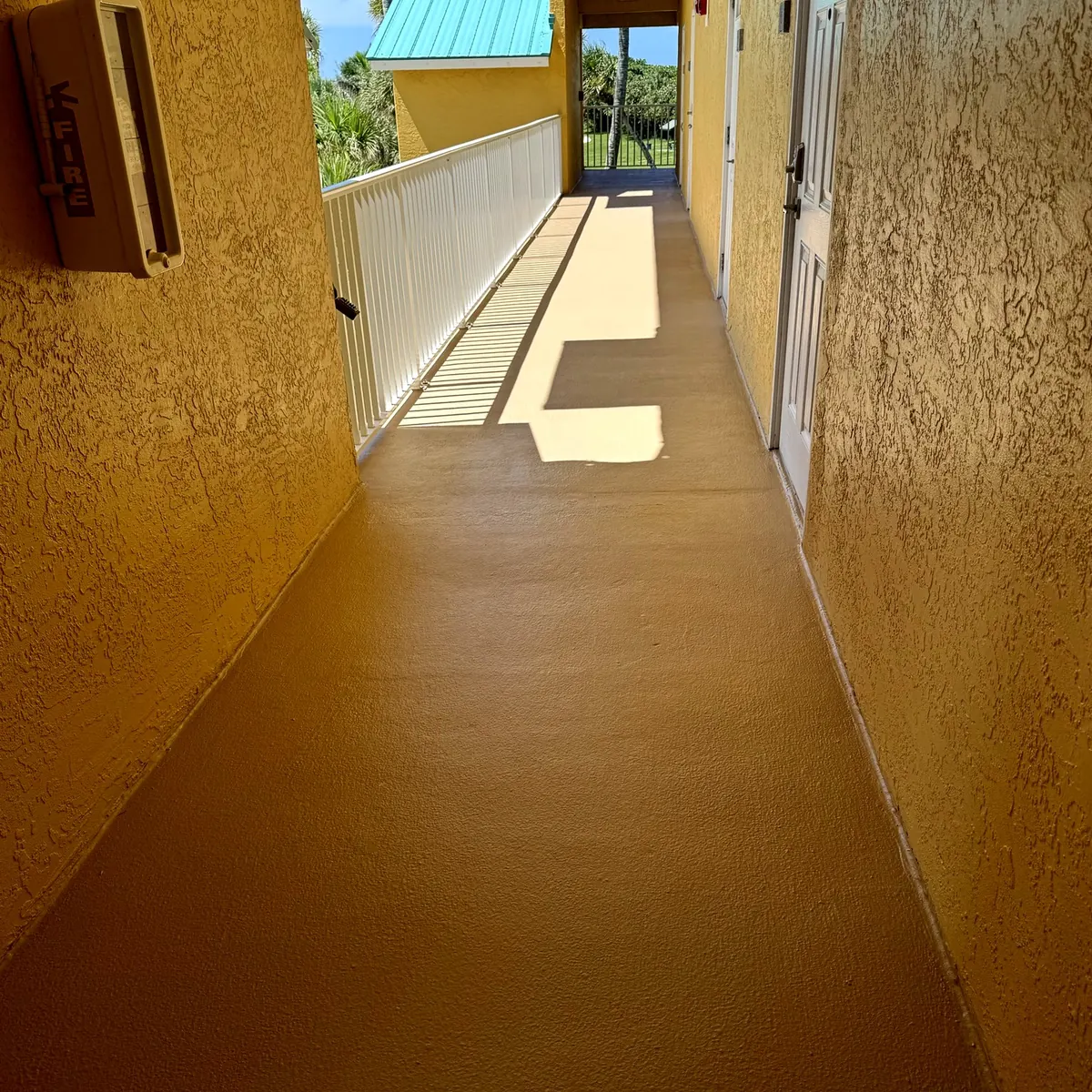
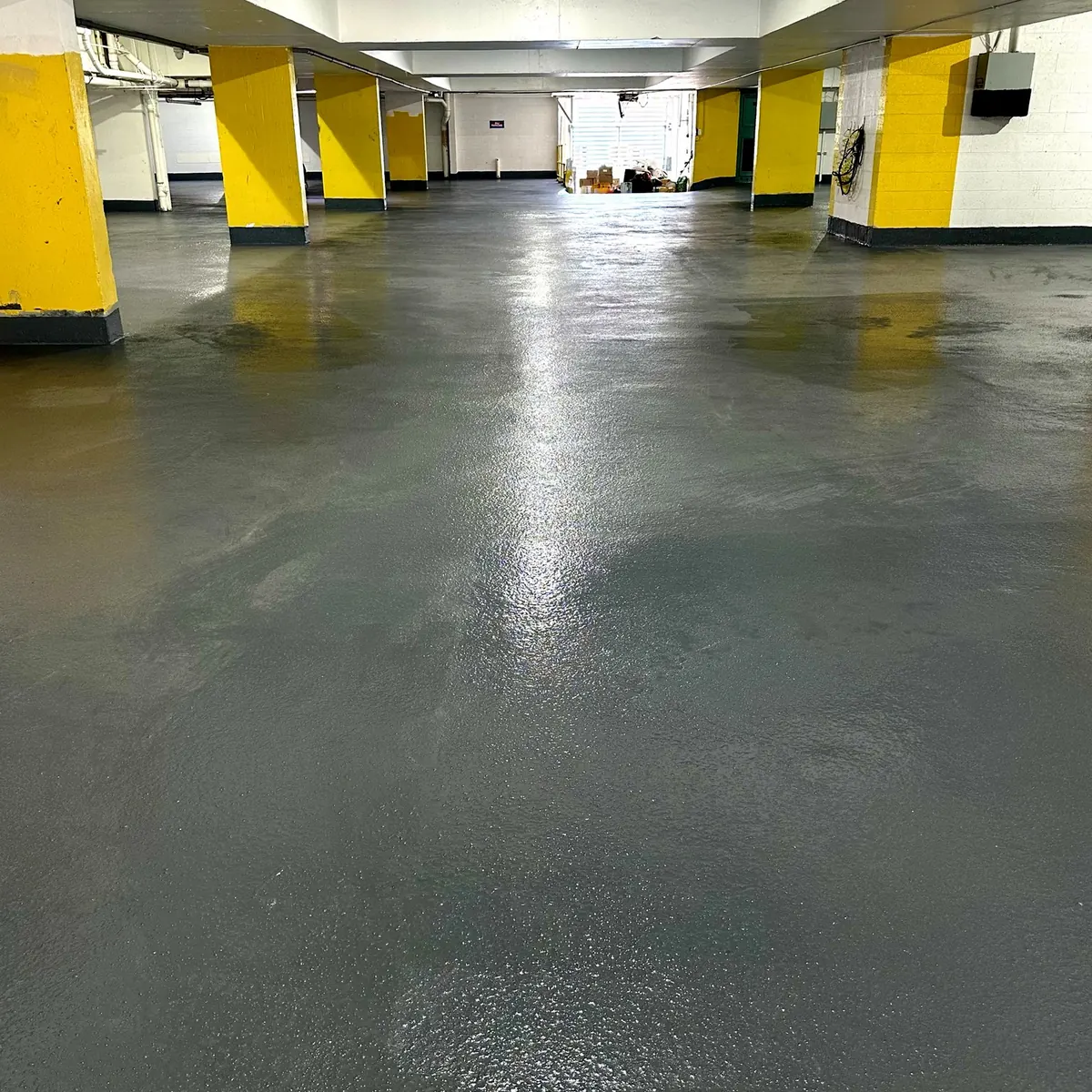
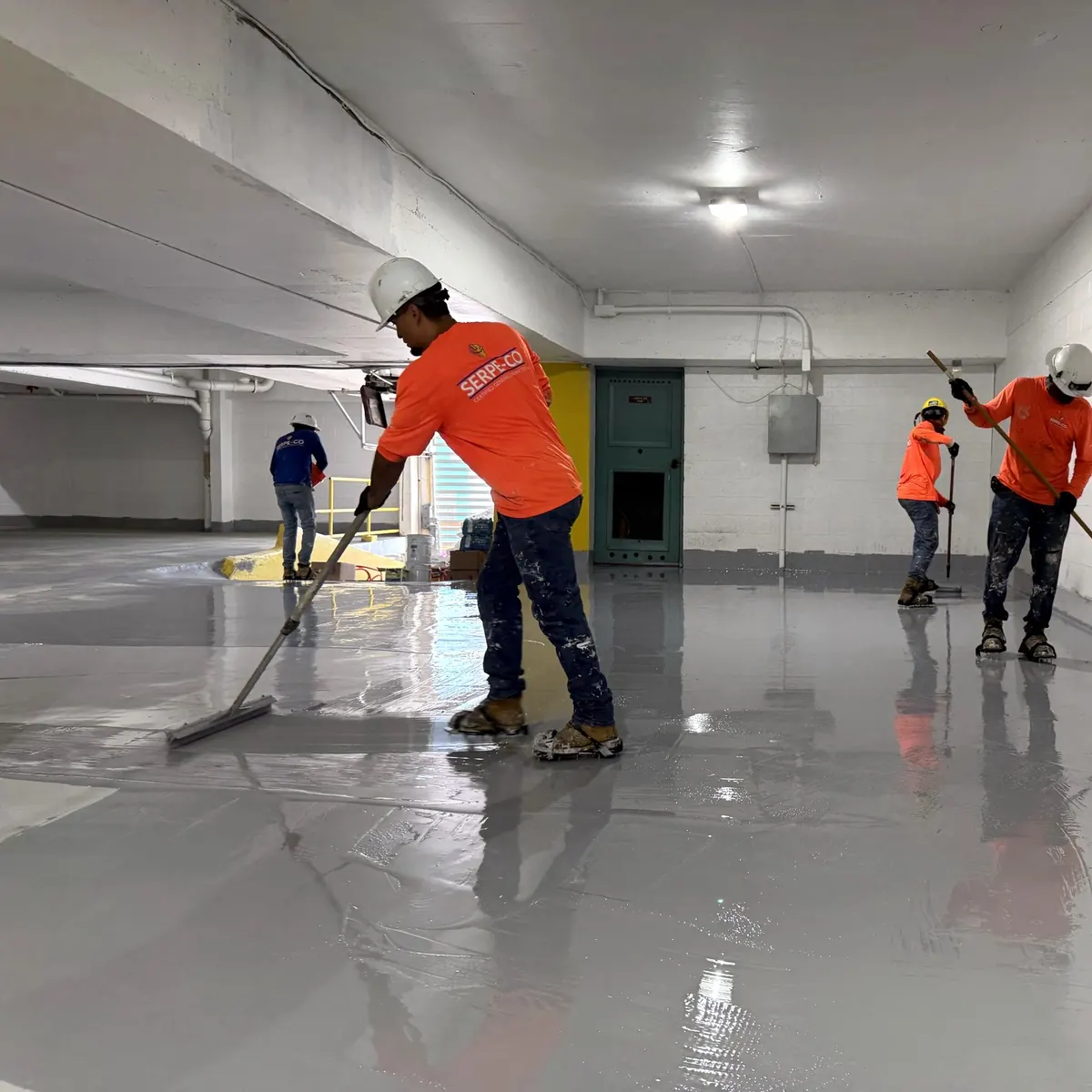
On garage decks and pool decks, the expansion joint repair is usually part of a larger coating project. Coatings stop at the joint, and the joint system bridges the gap. Running coating across a moving joint guarantees a crack. Our traffic coating and pool deck coating posts cover the surfaces around the joints.
Why the same garage spots keep leaking
Boards often see leaks return at the same joints every rainy season. Common reasons include patching sealant over old sealant, ignoring spalled edges, using a product not rated for the joint's movement or traffic, and debris that keeps tearing the seal. A lasting fix starts with the engineer identifying the joint type and movement, then specifying the system, edge repairs and drainage that suit it.
Maintenance after the repair
- Sweep joints and drains so debris does not pack in.
- Inspect joints after the rainy season and after heavy storms.
- Watch for torn glands or loose nosings in drive lanes.
- Report new leaks below joints quickly, before steel starts to corrode.
- Include joint systems in the reserve study with their own service life.
Industry guidance from the International Concrete Repair Institute covers preparation of the concrete edges engineers often reference for joint work.
Residents and phasing
Joint work in a garage usually happens one section at a time, so parking moves around during the project. Sealants and edge repair materials need cure time before cars return. Clear signs and notices before each phase keep residents informed. Our parking garage repair post covers phasing in more detail.
Joints on walkways and balconies
Expansion joints are not only in garages. Open walkways often have joints where building sections meet, and balcony slabs may meet walls at joints that need sealant. These smaller joints leak into units, stairwells and ceilings below. They are usually handled with sealant replacement during balcony or walkway projects, on the same access as the concrete and coating work.
Cracks near joints are a clue that the joint is not moving freely. The engineer may call for crack repair alongside the joint work, and our concrete crack repair post explains those options.
How SERPE-CO can help
SERPE-CO prices and builds the engineer's expansion joint repair scope, including edge repairs, joint systems and coatings, across Broward, Palm Beach and Miami-Dade. See our parking garage restoration and waterproofing services, or Palm Beach County garage restoration, then contact us or call (954) 718-3094.

CEO and co-founder of SERPE-CO, a family-owned Florida Certified General Contractor (CGC #1523974). In concrete restoration since 2005 and a contributor to the Florida Community Association Journal. This article is general information, not engineering or legal advice.