A milestone inspection report lands on the board table as a sealed document from a licensed engineer or architect. Owners want to know if the building is safe, what has to be fixed and what it will mean for their monthly costs. The report answers the first question and starts the second. Turning it into finished repairs takes several more steps, and boards that know them move faster with fewer surprises.
SERPE-CO is a Pompano Beach Certified General Contractor that builds concrete restoration and structural repairs after these inspections. We do not inspect buildings or write repair scopes. The engineer does both. What follows is how the hand-off looks from the job site, not legal or engineering advice.
What a milestone inspection report must contain
Under Florida Statute 553.899, the sealed report must identify any substantial structural deterioration, recommend repairs and state whether unsafe or dangerous conditions were observed. If Phase 1 found substantial deterioration, a Phase 2 with testing follows, and a Phase 2 progress report with a completion timeline goes to the local enforcement agency within 180 days after the Phase 1 report is submitted.
Associations also have to share the results with owners. The statute sets distribution and posting duties, so ask your community association attorney exactly what your building must send and post, and when.
How to read a milestone inspection report
Read the summary first, then the conditions section, then the recommendations. Engineers often sort findings by urgency. Some items call for immediate action, such as shoring or barricading an area below loose concrete. Others are repairs to plan over the coming months. A few are maintenance notes for the reserve study.
- Unsafe or dangerous conditions. These need action now. Follow the engineer's instructions and notify owners.
- Substantial structural deterioration. These drive Phase 2 and the main repair project.
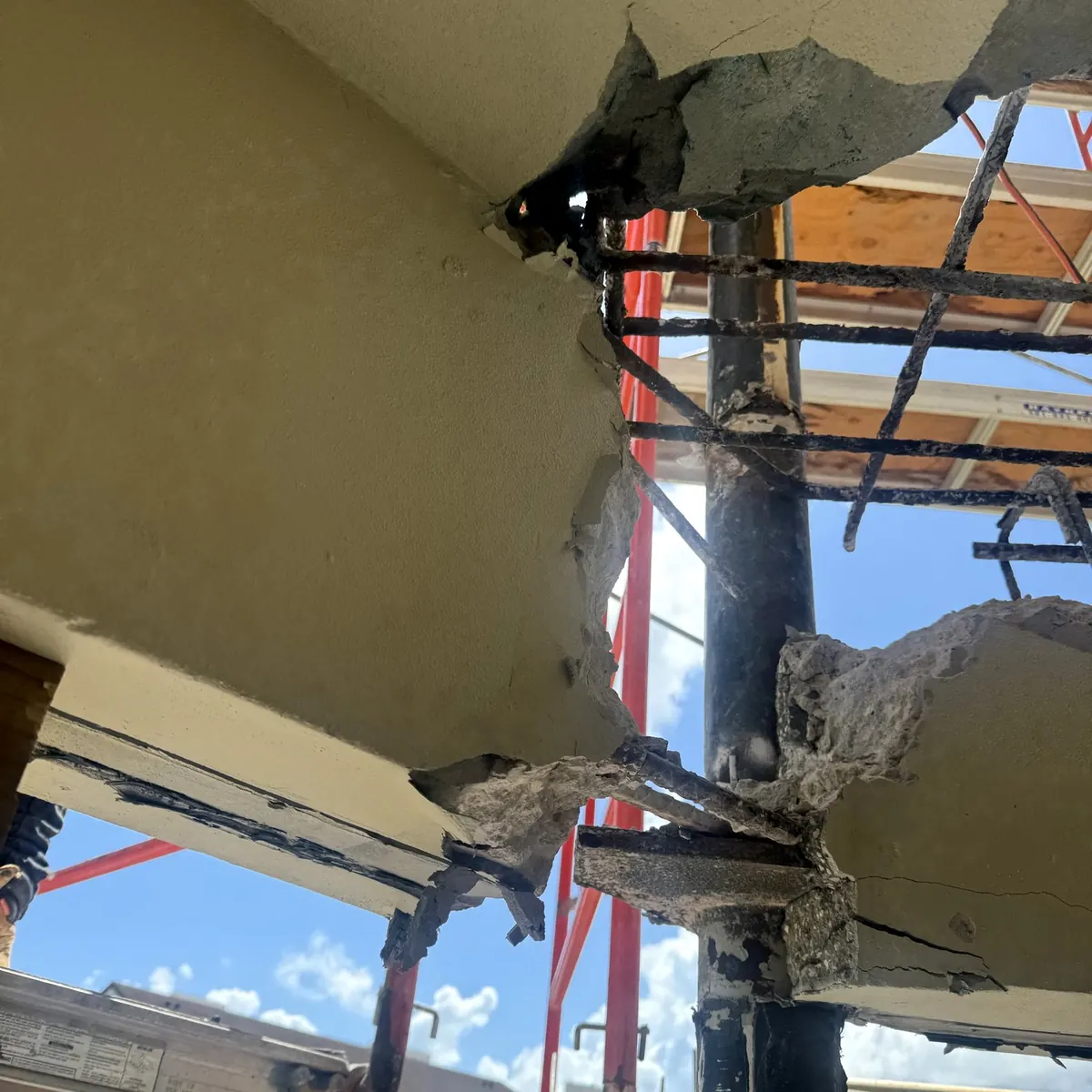
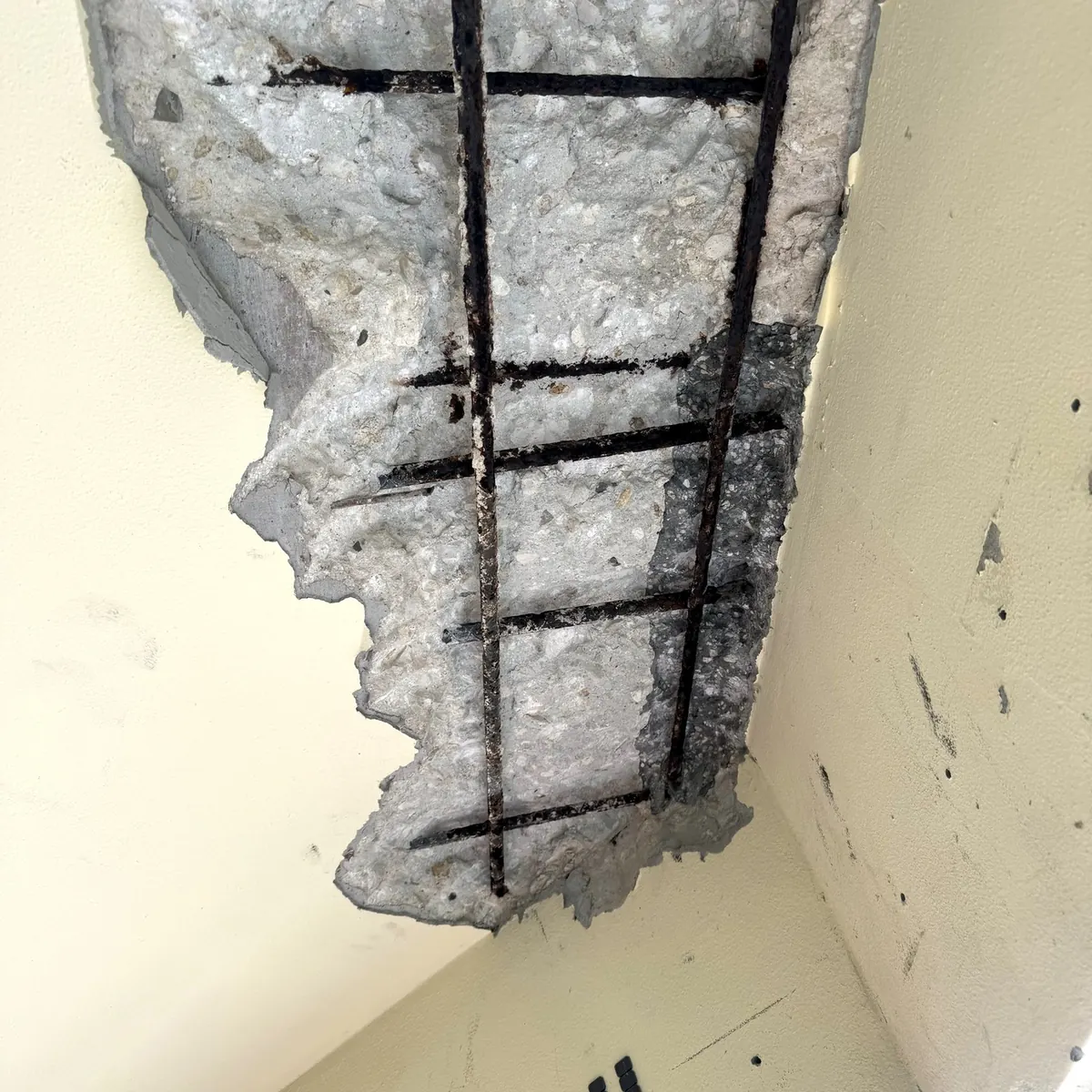
- Repairs recommended. Spalling, cracks, corroded steel, failed sealants and coatings that need work.
- Maintenance items. Painting, joints and drainage that belong in the reserve plan.
Seven steps after the milestone inspection report
- Meet with the engineer. Walk the findings together and ask which items are urgent, which can be phased and what testing is still needed.
- Secure unsafe areas. Barricades, overhead protection or shoring go in first if the report calls for them. Our post on concrete shoring explains how temporary supports work.
- Engage the engineer for repair documents. A report describes conditions. Contractors need drawings, specifications and a bid form with quantities by location.
- Bid to licensed contractors. Send the same documents to each bidder so every proposal prices the same work.
- Compare line by line. Look at unit prices, access plans, phasing, schedule and safety, not only the total.
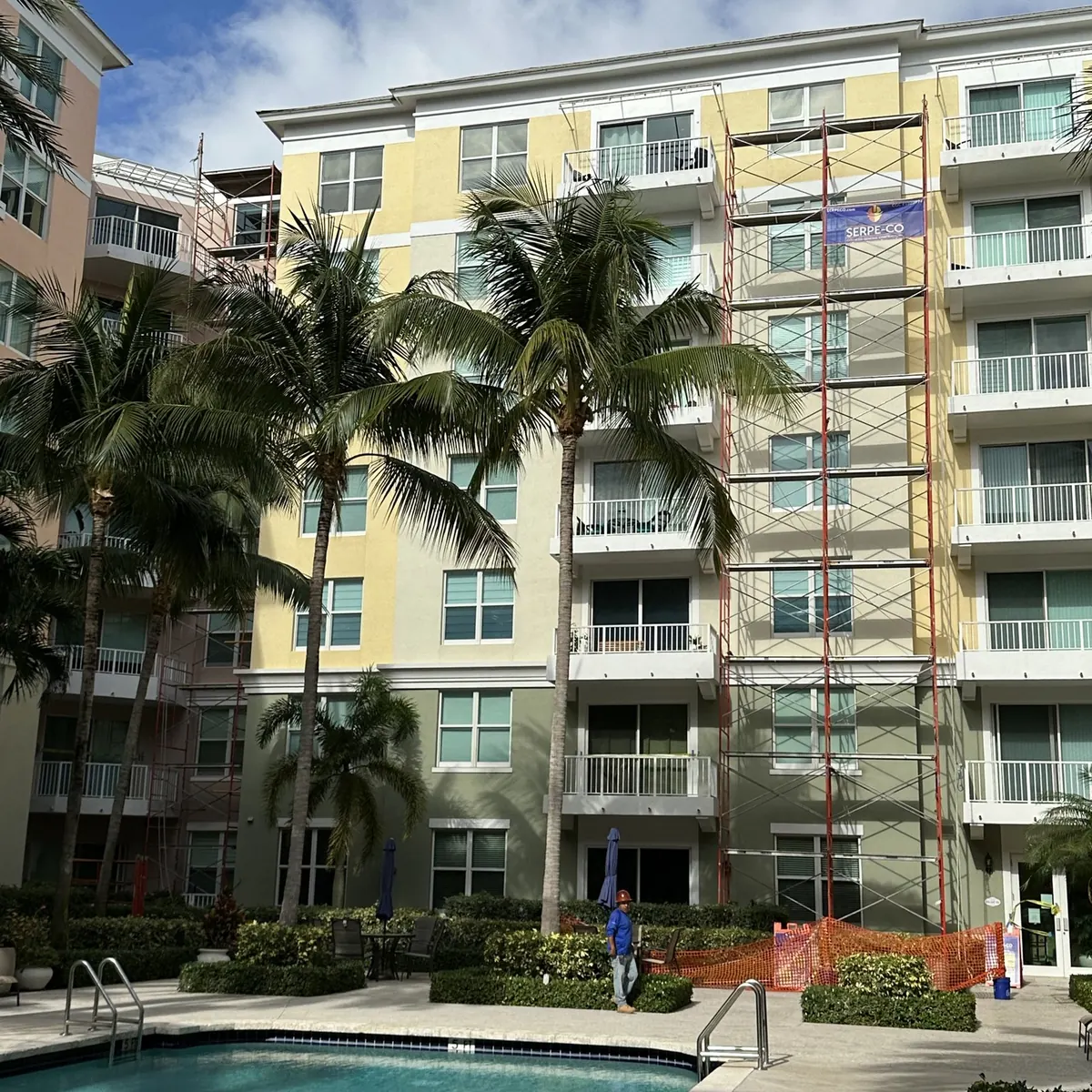
- Permit and phase the work. The contractor pulls the permit under the engineer's drawings and plans the work around residents.
- Close out. Pass the building department's inspections, get the engineer's completion letter and close the permit.
Why the report is not the repair scope
Boards sometimes forward the report straight to contractors and ask for prices. The result is three proposals that cannot be compared, because each bidder guessed at quantities differently. The engineer's repair documents fix that problem. They spell out repair types, materials, details and estimated quantities, and they give every bidder the same starting point.
At SERPE-CO, the engineer always writes the scope. Our role is to review the documents, walk the site, price the engineer's scope line by line and plan access, phasing, schedule and safety. If a board calls us with only a report, we tell them an engineer's repair documents come first.
What changes once the concrete is opened
Concrete repair quantities are estimates until the deteriorated concrete comes out. Once the crew removes unsound material, the engineer may find more corroded steel than the survey showed. Specifications handle this with unit prices and field measurement: the contractor measures each repair, the engineer approves it, and the board pays for what was actually built.
That process protects the board. Unit prices set before the work starts keep change orders predictable, and engineer approvals keep the repairs tied to the design. Our posts on spalling concrete and cathodic protection describe the repair steps themselves.
County rules on top of the state report
Local programs add their own steps. In Broward, Board of Rules and Appeals Policy 05-05 gives the owner 180 days from the report to complete repairs unless the building official sets another timeframe, and calls for the engineer to re-inspect and issue an amended report with a sealed letter once the work is done. Details are on the Broward Building Safety Inspection Program page.
Miami-Dade requires repairs to be permitted before a building can be recertified, and Palm Beach County rules depend on whether the building sits in an unincorporated area or inside a city. Our milestone inspection guide compares the three counties, and our Broward recertification post covers Policy 05-05 in more depth.
Talking to owners about the findings
Owners hear "structural deterioration" and assume the worst. A short, factual summary from the board, reviewed by the engineer, prevents panic. Explain what was found, which areas need work, what the engineer recommends and what happens next. Avoid guessing at costs or timelines before repair documents and bids exist.
Hold an owners' meeting with the engineer present if the findings are significant. Owners can ask the professional directly, and the board does not have to interpret technical language on the fly. Post the meeting notes and the next steps where every owner can find them.
Plan the communication for the construction phase too. Owners need notice before balconies close, parking moves or noisy demolition starts. A schedule posted in the lobby and sent by email keeps everyone informed. The contractor should provide a weekly look-ahead so the board can update owners with real dates.
Finally, give owners a single place to send questions. One board member or the property manager collecting questions keeps answers consistent and keeps the crew focused on the work instead of fielding hallway conversations.
Keep the paper trail
File the milestone inspection report, the repair documents, the permit, the inspection records and the engineer's completion letter together. The next milestone cycle, the next reserve study and any future buyer's lender will ask for them. A complete file also helps the engineer on the next inspection, because it shows exactly what was repaired and where.
Share a plain-language summary with owners at each stage. Owners who understand why a balcony is closed or a garage section is shored are far more patient with the work. Clear updates also cut down on rumors and repeat questions at board meetings.
How SERPE-CO can help
Once your engineer has prepared repair documents, SERPE-CO prices the scope, plans the phasing and builds the structural concrete and concrete restoration work under permit. Contact us or call (954) 718-3094 to set up a site walk with your board and engineer.

CEO and co-founder of SERPE-CO, a family-owned Florida Certified General Contractor (CGC #1523974). In concrete restoration since 2005 and a contributor to the Florida Community Association Journal. This article is general information, not engineering or legal advice.