In Fort Lauderdale, our structural work usually begins at the spots the engineer has marked as delaminated on a balcony, column or beam. Where the drawings call for shoring, we shore first. Then crews chip to sound concrete, clean the rebar or splice in new bars, and place the repair mortar the specification names. On beach towers we work from swing stages and keep debris contained over pools, walkways and the neighbors' property, because safety comes first.
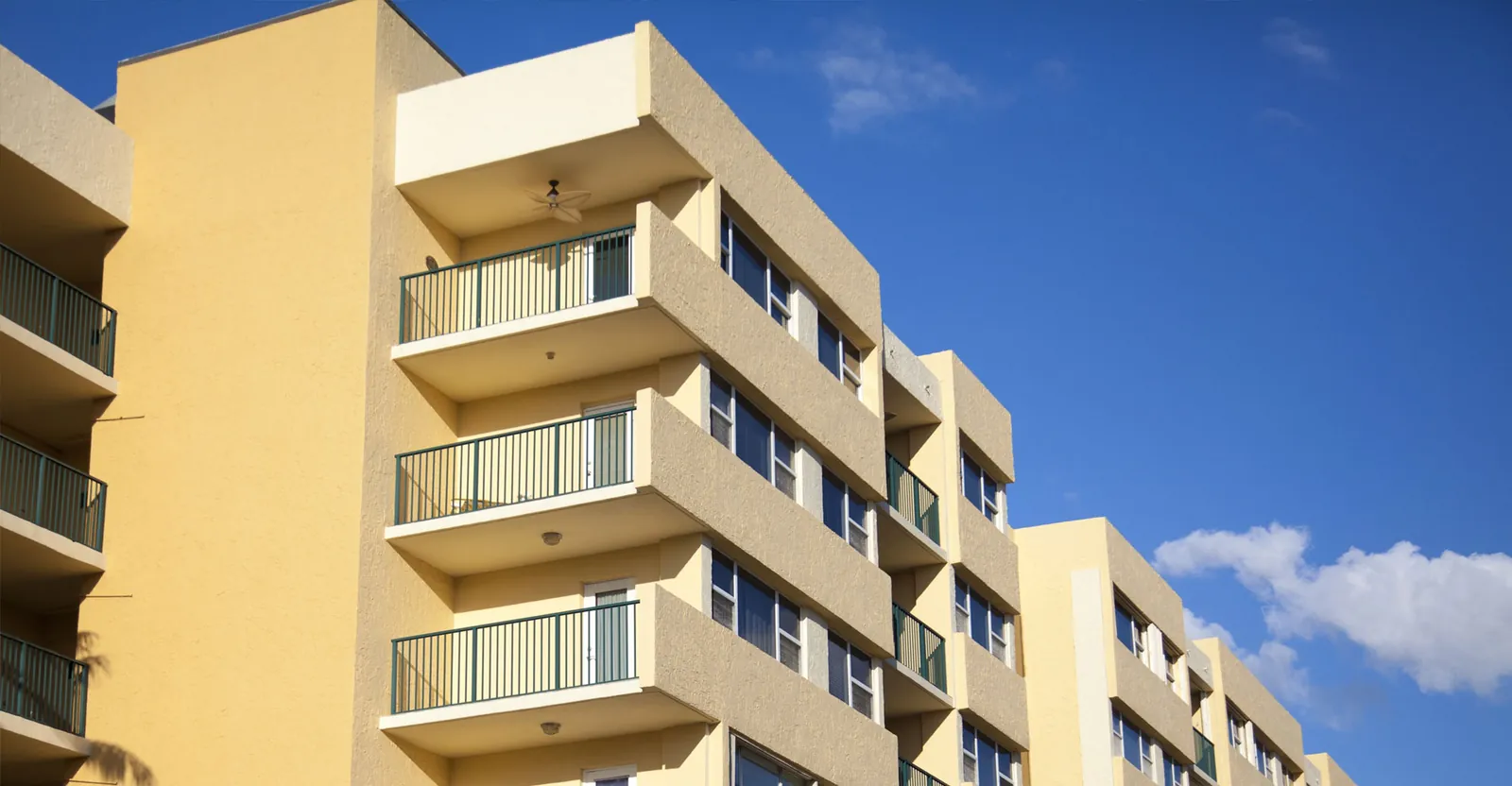
No part of an oceanfront Fort Lauderdale tower takes more salt than its balconies. A typical scope covers the slab edge, the soffit overhead and the post pockets where each railing is set into the concrete. Once the slab is rebuilt, we slope it to drain, waterproof it and finish it, then anchor new railings to meet current code.
Fort Lauderdale garages, downtown and on the beach, take car traffic, rain and everything tires track in. Our garage work covers spalled slabs and beams, leaking expansion joints, worn double-tee connections and tired traffic coating. We phase it by level or by bay so tenants and residents can still park. Pool and plaza decks above a garage get repaired from both sides, top and underside.
Many Fort Lauderdale boards first call us when the Building Safety Inspection report lists structural repairs. SERPE-CO prices the engineer's scope, builds the schedule from it, pulls the permit, books the engineer's and the city's inspections, and stays on the job until the permit is closed. The board gets a clear order of work to share with owners: mobilization, repairs by elevation or stack, waterproofing, then the engineer of record's final sign-off.
In Fort Lauderdale, water gets into buildings at balcony decks, window edges, planters, roof-to-wall joints and below-grade walls along the canals. We find the path first, often by flood testing or tracing a stain back from the ceiling below. The fix might be crack injection, fresh sealant joints, a walking membrane or a full deck system. Without waterproofing, structural repairs tend to fail again.
Galt Ocean Mile and Harbor Beach roofs carry elevator penthouses, cooling towers and davits for window washing, and leaks there tend to begin at those curbs and along the parapet coping. Reroofing follows the roof consultant's bid documents using systems approved for the High-Velocity Hurricane Zone, typically with a Miami-Dade Notice of Acceptance. Downtown office towers follow the same order of work, with deck spalls fixed before the insulation goes on.