Miami-Dade County, Florida
Structural Concrete in Miami-Dade County: Foundations, Slabs and Additions
Footings, slabs and structural pours for additions and new buildings.
In short
Who handles structural concrete in Miami-Dade?
SERPE-CO forms, reinforces and places structural concrete in Miami-Dade County for new buildings, additions and changes to existing structures. The work includes footings, grade beams, slabs on grade, suspended slabs, columns, shear walls and equipment foundations, built to the drawings of the owner's engineer of record and inspected by the building department and the engineer at each stage.
Free milestone planner
Is a milestone inspection coming due on your building?
Enter the year your building got its certificate of occupancy and how many stories it has. The planner estimates your deadline under Florida law, then you can send it to SERPE-CO for a second look.
Add the year and story count for an estimated due date.
Want a second look at your timeline? Send your building details and SERPE-CO will follow up about the inspection, likely repairs and how to plan for them.
About this estimate
This is a planning estimate drawn from the statewide rule in Florida Statute 553.899. Your local building department sets the real deadline and may call for the first inspection at 25 years instead. Broward County also has its own Building Safety Inspection Program. Check your date with your building official and engineer, or contact SERPE-CO and we will help you sort it out.
Structural Concrete · Miami-Dade
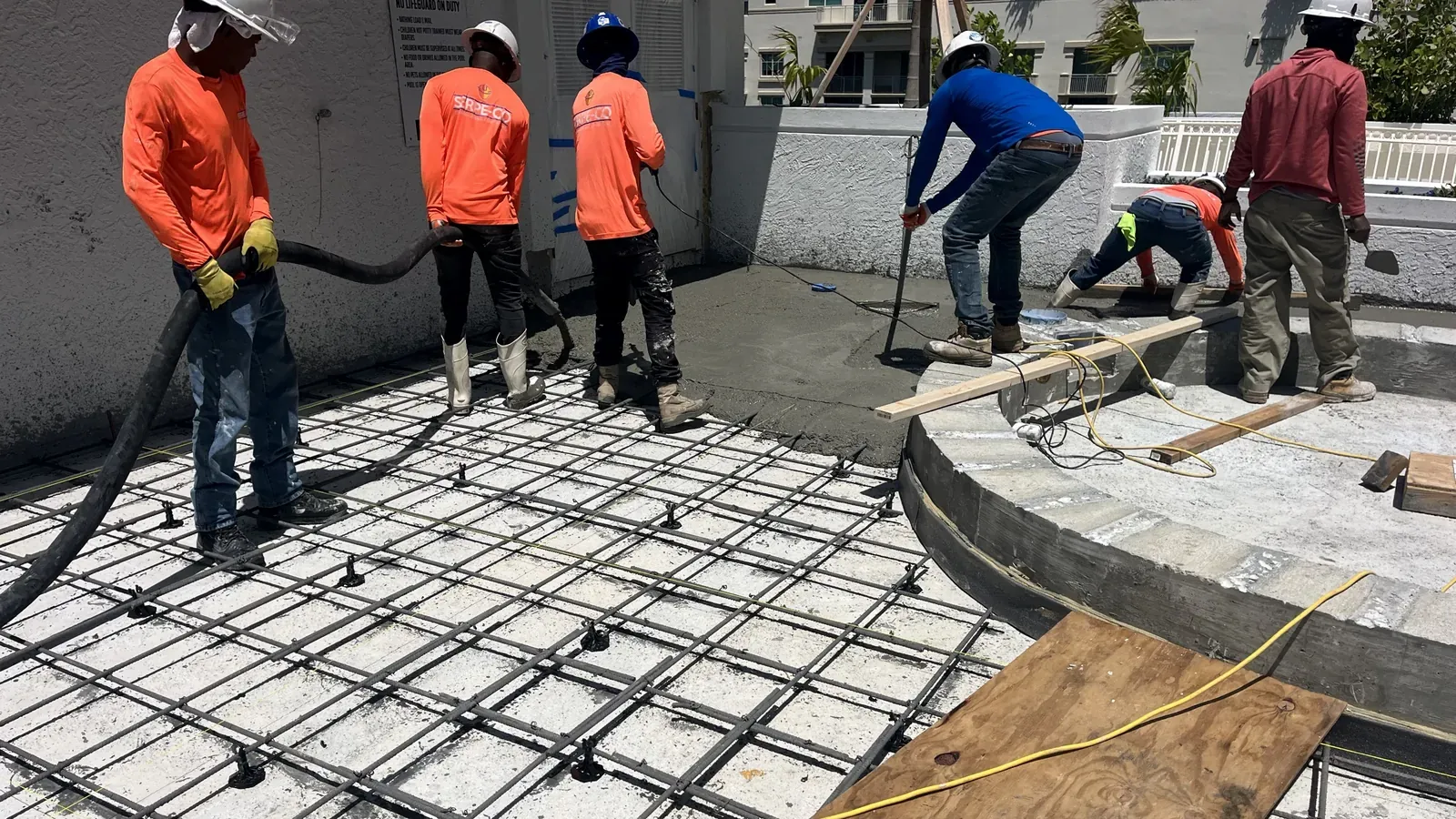
Structural concrete in Miami-Dade County is built on crowded urban lots, beside occupied buildings and over ground where water sits only a few feet down. SERPE-CO forms, ties, places and finishes footings, grade beams, slabs on grade, suspended slabs, columns, shear walls and equipment foundations for new construction, building additions and structural changes to existing buildings, all to the drawings of the engineer of record.
We also carry out foundation and structural repairs on existing buildings where cracking or settlement has shown up. An engineer first works out why it happened and designs the fix. SERPE-CO then builds that fix, which can mean new footings or grade beams, coordination with an underpinning specialist, crack repair and rebuilding damaged members, with shoring holding the structure while the load moves.
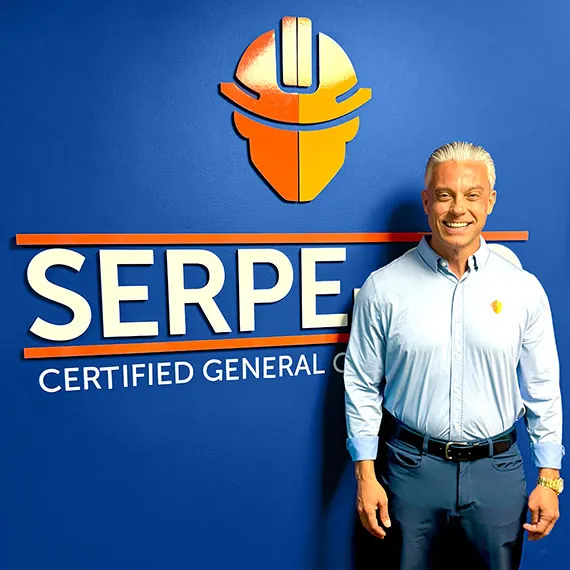
Reviewed by Brett Serpe, MBA, GC, CEO of SERPE-CO · Florida Certified General Contractor CGC #1523974
Prepared by the SERPE-CO project team, with more than 20 years in concrete restoration. Last reviewed November 2026.
Local conditions
Ground and code conditions in Miami-Dade County
Much of the county sits on porous limestone with a high water table, and near the bay, the ocean and the canals the water can be very close to the surface. Footing excavations, elevator pits and utility trenches often need dewatering before concrete can be placed. Some western and southern areas were built over former wetlands, where soft organic soil has to be dug out and replaced with compacted fill before a slab or footing goes in.
Miami-Dade and Broward are the only two counties in the High-Velocity Hurricane Zone of the Florida Building Code, so wind loads govern a great deal of the structural design and the inspections a project receives. A lot of the new structural work here is infill: additions on tight commercial lots in Miami and Coral Gables, warehouse expansions in Doral, and new foundations for equipment inside buildings that keep operating during the work.
Buildings that need this work
Where structural concrete work happens in Miami-Dade
Much of the structural work in Miami-Dade is redevelopment on sites that are already built up. In Miami, Coral Gables and North Miami Beach that means additions and new structures on tight commercial lots with neighbors on every side, deliveries limited to set hours and cranes or pumps working over occupied space. Existing buildings being repurposed often need new openings, transfer beams, stair and elevator cores or strengthened slabs, which call for careful shoring before the old structure is cut.
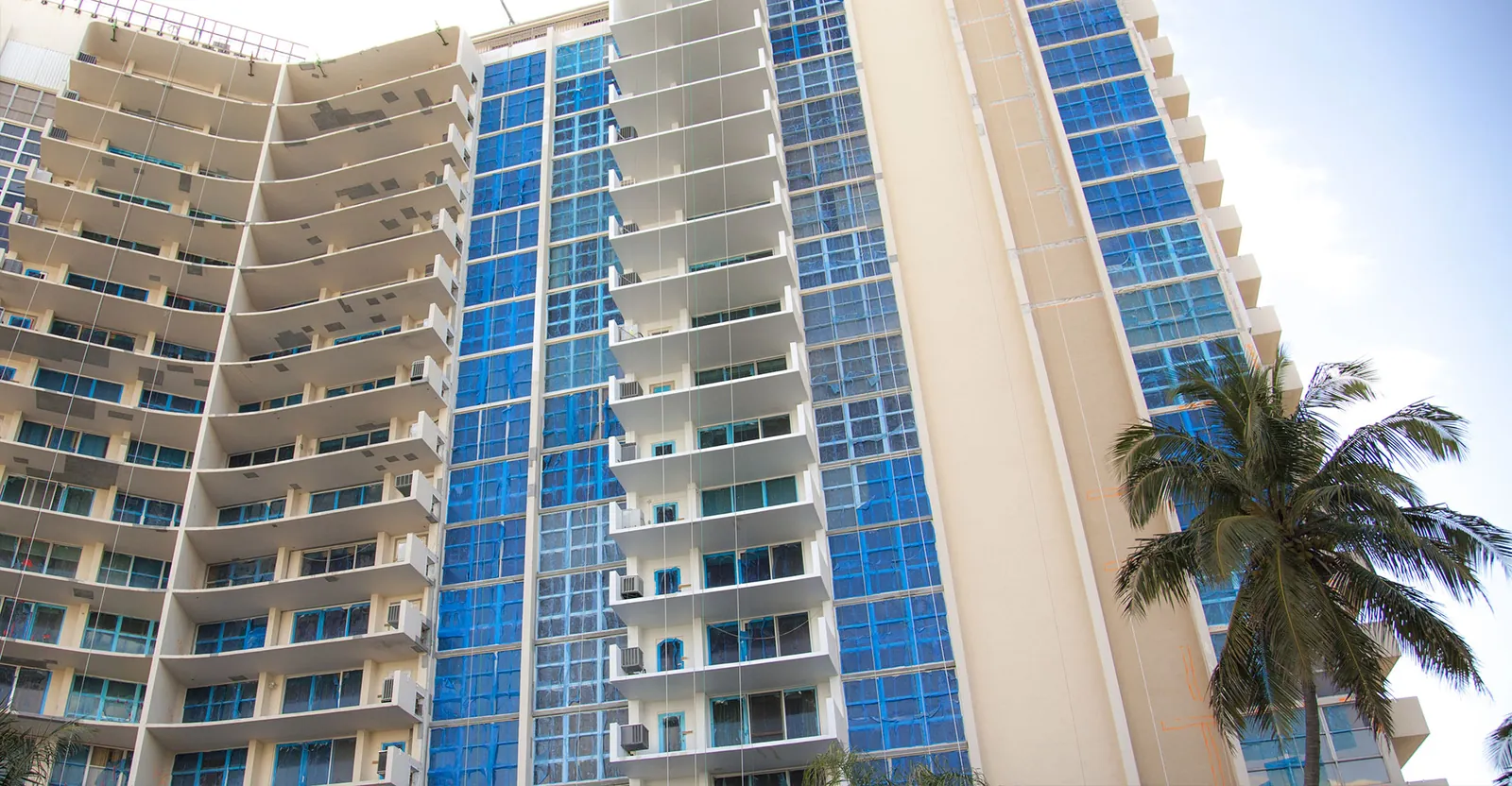
Industrial areas in Doral, Medley and Hialeah generate a steady stream of foundations for new equipment, mezzanines, truck wells and building expansions. In the south of the county, around Homestead, sites are more open, but soft ground in former wetland areas and a high water table remain the main challenge. Coastal properties in Miami Beach and Sunny Isles Beach add structural repairs and replacements on older buildings, where new concrete has to tie into an existing frame.
The work
Structural concrete in Miami-Dade County: what the job covers
- 01Grade beams, footings and foundations
- 02Elevated and on-grade slabs
- 03Tilt-up panels, shear walls, columns and beams
- 04Settled and cracked foundation repair
- 05Forming, rebar and pumped concrete placement
- 06Additions and changes to existing structure
Our approach
Running structural pours on tight Miami-Dade sites
Before each pour our team checks the structural drawings and rebar shop drawings, confirms embeds, sleeves and blockouts with the other trades, and books the inspections that the building department and the engineer require. Forms and steel are verified against the drawings before concrete is ordered. Where trucks cannot reach, concrete goes in by pump, and finishing crews are sized to the pour.
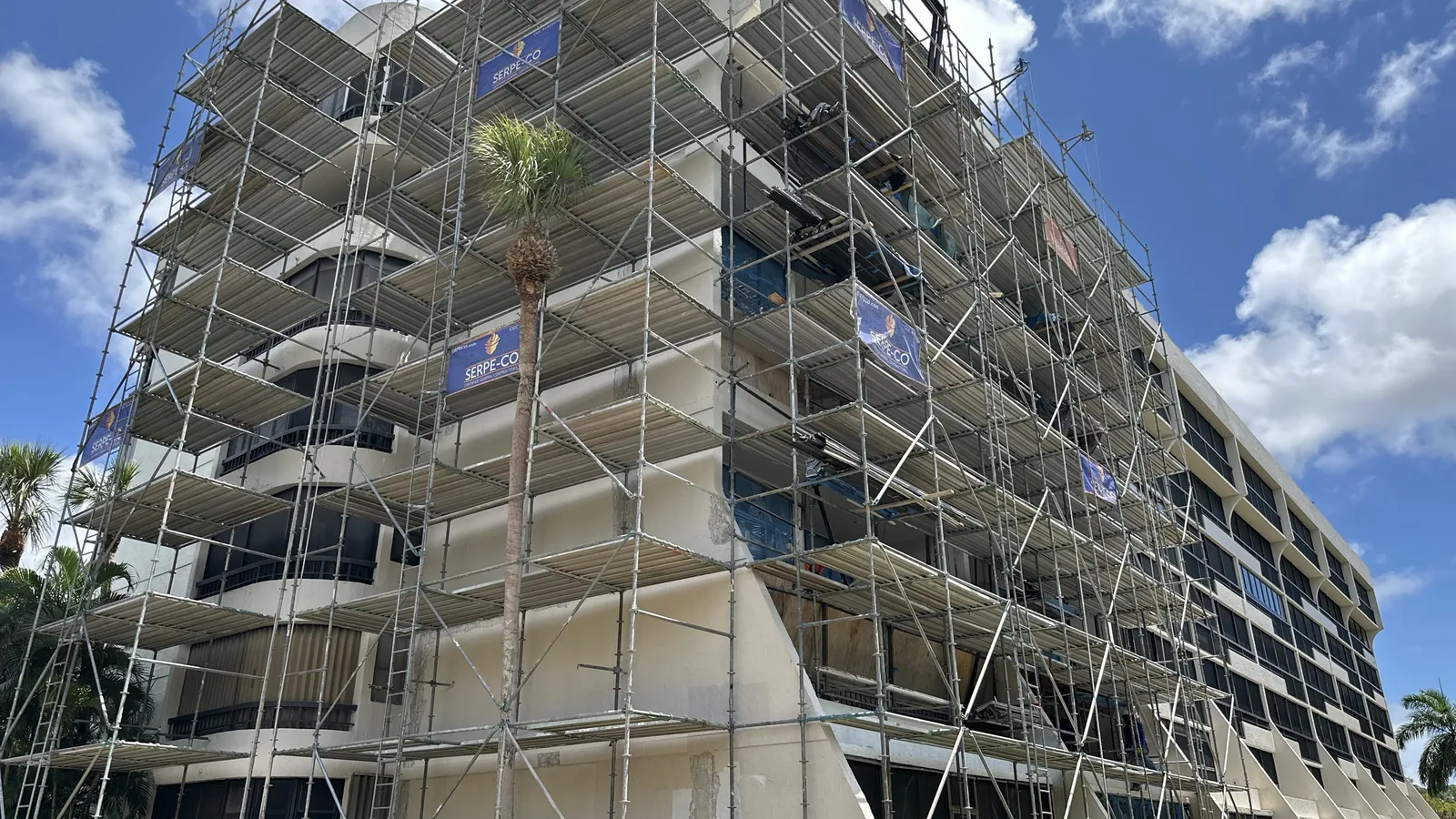
Where an addition or alteration touches an occupied building, shoring goes in under the existing frame before any cutting or new load, and the work area is separated from tenants and residents. Loud work is scheduled with the owner. Curing times and form stripping follow the engineer's requirements, and test cylinders are taken as the specification calls for so concrete strength is documented before the structure is put to work.
SERPE-CO brings more than 20 years in the field to every job. Read about our full structural concrete service or browse all our work in Miami-Dade County.
Planning ahead
Planning a structural concrete project in Miami-Dade
A structural project in Miami-Dade starts with complete drawings, a geotechnical report and a clear picture of the site. The soil report tells the engineer where muck or loose fill has to come out, how deep the water sits and whether dewatering is needed. The drawings go through the building department of the city where the site is, or the county for unincorporated land, and an owner-retained special inspector is also required for threshold buildings. Lead time for rebar, embeds and pumps is set before mobilization.
Weather shapes the pour schedule. The rainy season, from mid-May to mid-October, brings afternoon storms that can stop a placement, and hurricane season runs from June 1 to November 30, when formwork, loose material and cranes must be secured ahead of a storm. Many owners in Miami-Dade also face strict work hours and neighbor concerns on dense urban sites, so pours are planned early in the day with traffic and noise controls agreed in advance.
How we run a job
Site walk first, closed permit last.
- 01
Meet on site
Each job starts on site, walking the property and its conditions with your manager, board or engineer.
- 02
Follow the engineer's scope
The engineer writes the scope. We price it line by line, plan access and lay out each phase to build it.
- 03
Put safety first
We can never work too safely: shoring, swing stages, barricades and notices go up first.
- 04
Build the repairs
Crews work through the repairs in order, stopping for inspections wherever the engineer calls for them.
- 05
Finish and document
Final inspections, a closed permit and a full record of the work for the association.
Cities served
Structural Concrete throughout Miami-Dade County
Summary
What Miami-Dade boards and owners should remember
- 01
A high water table and porous limestone mean many Miami-Dade excavations need dewatering before concrete is placed.
- 02
Miami-Dade is one of two Florida counties in the High-Velocity Hurricane Zone, which shapes structural design and inspections.
- 03
Infill and additions on tight lots make access and sequencing as important as forming and pouring.
- 04
Threshold buildings in Miami-Dade need a special inspector hired by the owner in addition to building department inspections.
Questions
Structural Concrete in Miami-Dade: questions we hear
Why do excavations for footings in Miami-Dade so often need dewatering?
Groundwater sits close to the surface across much of the county, especially near the bay, the ocean and the canals, and the limestone underneath lets water move freely. Footings, pits and trenches can fill quickly. Dewatering keeps the excavation dry enough to set steel and place concrete to the engineer's requirements.
Does a structural pour on a large Miami building need a special inspector?
The building department inspects structural work at set stages, such as reinforcing steel before concrete is placed. Buildings classified as threshold buildings under Florida law also need a special inspector hired by the owner. The engineer of record and the building official determine which inspections apply to a given project.
Can new equipment foundations be poured inside a working Doral facility?
Yes. Our crews saw-cut and remove the slab in a controlled area, excavate, form and reinforce the new foundation, and place concrete by pump or buggy. Dust, noise and forklift routes are planned with the facility so storage and production around the work area carry on.
What does building on limestone and a high water table mean for a Miami-Dade foundation?
Footing and pit excavations often reach water quickly, and the porous rock lets it flow in, so dewatering is planned before digging starts. In former wetland areas, soft organic soil is removed and replaced with compacted fill. For structural concrete in Miami-Dade County, the geotechnical report sets those requirements and the engineer writes them into the drawings.
Can an addition be built against an occupied building in Coral Gables or Miami?
Yes, with planning. The existing structure is shored where new work ties into it, the work area is separated from occupants, and noisy or dusty operations are scheduled with the owner. Exits, utilities and fire protection for the occupied building are maintained throughout, as the permit and the engineer require.
How is concrete strength confirmed on a Miami-Dade structural pour?
Test cylinders are taken during placement as the specification directs and broken at set ages by a testing laboratory. The engineer reviews the results before forms are stripped from suspended slabs or loads are applied. Those records become part of the project file for the building department and the owner.
Laws and rules cited
- Miami-Dade County: Building Recertification (Milestone) Inspections, Code of Miami-Dade County Section 8-11(f)
- Miami-Dade County Product Control: Notice of Acceptance for building envelope products
- Florida Statute 553.899: mandatory structural inspections for condominium and cooperative buildings
- Florida Statute 718.112: structural integrity reserve studies
Treat this page as general information only, not legal or engineering advice. Licensed engineers and architects perform the inspections, and the building official decides which dates apply to your property. SERPE-CO's role is to carry out the repairs.
Working with an engineer?
Holding drawings, specifications or a complete set of bid documents?
Structural engineers, property engineers and board members send SERPE-CO much of our restoration, pool and roofing work. Once a scope has been drawn and specified, our team prices what the documents show, raises questions where something is unclear, and lays out each line so boards can weigh the bids on equal terms.
Request an estimate
Let's plan your restoration.
Tell us where the building is and what you are seeing. We set up a visit to the property, then send a written proposal, or tell you an engineer needs to write the scope first.
- More than 20 years in the field
- St. Lucie, Martin, Palm Beach, Broward and Miami-Dade
- Family-owned Certified General Contractor
Rather call?(954) 718-3094