(954) 718-3094 Request an estimate

Miami-Dade County, Florida

Concrete Restoration in Miami

Balconies, garages, columns and pool decks on Miami towers and bayfront buildings, repaired by a family-owned general contractor working from your engineer's drawings.

In short

Who repairs concrete in Miami?

SERPE-CO is a family-owned Florida Certified General Contractor that carries out concrete restoration in Miami on condominium towers, parking garages, pool decks and commercial buildings. Our crews take out the broken concrete, deal with the rusted bars underneath by cleaning them or splicing in new steel, then rebuild each member and seal it against water. The inspection and the repair documents come from a licensed engineer or architect hired by the owner, and the work itself runs under a City of Miami permit.

Free milestone planner

Is a milestone inspection coming due on your building?

Enter the year your building got its certificate of occupancy and how many stories it has. The planner estimates your deadline under Florida law, then you can send it to SERPE-CO for a second look.

Building type

Add the year and story count for an estimated due date.

About this estimate

This is a planning estimate drawn from the statewide rule in Florida Statute 553.899. Your local building department sets the real deadline and may call for the first inspection at 25 years instead. Broward County also has its own Building Safety Inspection Program. Check your date with your building official and engineer, or contact SERPE-CO and we will help you sort it out.

Miami

Boards and owners who need concrete restoration in Miami usually have a report on the table and a deadline behind it. SERPE-CO is the contractor that turns that report into finished work: slab edges and balconies along Biscayne Bay, columns and beams in garages under Brickell towers, plaza decks Downtown and walkways on low-rise buildings in the older neighborhoods. Brothers Brett and Jason Serpe run SERPE-CO as a family business, more than 20 years in the field now, and every repair we make follows the owner's engineer.

Miami packs very different buildings into a small area. Glass towers from the last two decades stand next to concrete condominiums from the 1970s and 1980s, and a short drive inland brings you to two-story apartment buildings, warehouses by the river and commercial strips along the main avenues. The paragraphs below describe where that concrete is, why it breaks down, how recertification works inside the city and which repairs we carry out most often for Miami associations, managers and owners.

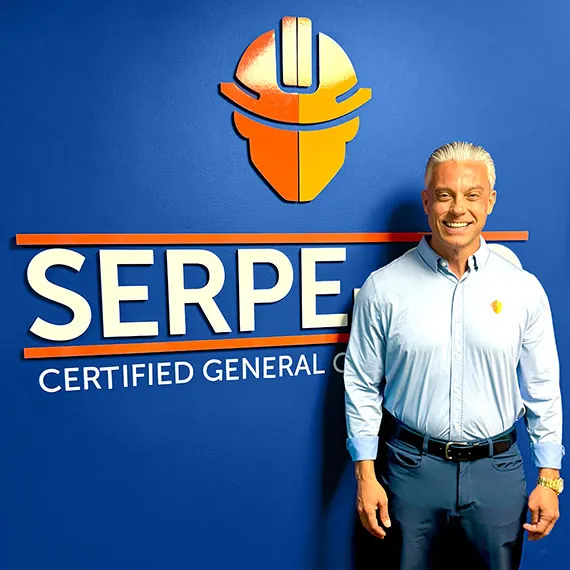
Brett Serpe, MBA, GC, CEO of SERPE-CO

Reviewed by Brett Serpe, MBA, GC, CEO of SERPE-CO · Florida Certified General Contractor CGC #1523974

Prepared by the SERPE-CO project team, with more than 20 years in concrete restoration. Last reviewed November 2026.

Concrete Restoration in Miami by SERPE-CO

Summary

Miami: quick facts

  • 01

    Recertification in the City of Miami is handled by the Building Department's Unsafe Structures Section, Recertification Division, under the Miami-Dade County Code.

  • 02

    Miami-Dade County requires recertification at 30 years and every 10 years after, or 25 years for coastal condominium and cooperative buildings three stories and taller.

  • 03

    Brickell, Brickell Key, Downtown, Edgewater and Coconut Grove all sit on Biscayne Bay, where salt air reaches exposed concrete.

  • 04

    Miami is in the High-Velocity Hurricane Zone, where windows, doors and roofing need an approval such as a Miami-Dade Notice of Acceptance.

  • 05

    SERPE-CO is the contractor on Miami repairs; a licensed engineer or architect inspects the building and specifies the work.

Local building stock

The concrete buildings of Miami, neighborhood by neighborhood

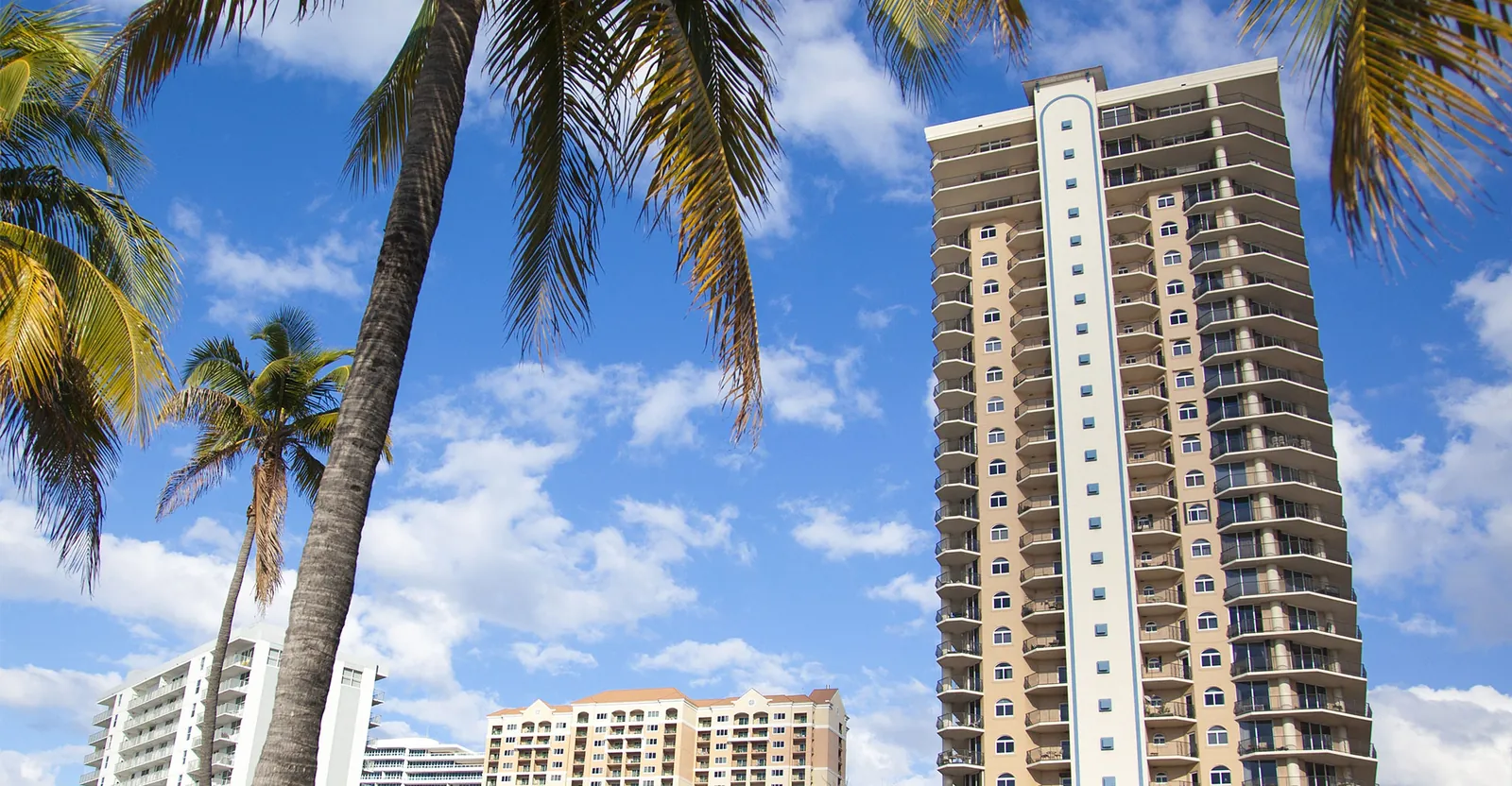
Brickell is where most of Miami's residential high-rise concrete sits. The older condominium towers along Brickell Avenue face Biscayne Bay and were built with the materials and detailing of their era, while the blocks to the west fill with newer towers set on top of multi-level garages and amenity decks. Brickell Key, reached by a short bridge, is a small island lined with residential and mixed-use towers that take bay exposure on every side.

Downtown Miami and Edgewater carry the same pattern north along the bay. Downtown holds office towers, government buildings and residential high-rises with podium parking, much of it built around open plazas that also serve as the roof of a garage below. Edgewater mixes new waterfront towers with small apartment and condominium buildings from earlier decades. Midtown and Wynwood, a little inland, have mid-rise residential buildings with podium garages and former warehouse buildings converted to shops, offices and studios.

The Miami River runs through the middle of the city to the bay, with marine yards, warehouses and newer residential buildings along its banks. South of it, Little Havana is largely low-rise: two- and three-story apartment buildings with exterior stairs and walkways, many of them decades old. Coconut Grove, on the bay to the south, has mid-rise condominiums, offices and older multifamily buildings set among heavy tree cover and narrow streets.
Have a question about your building?Call the office or send a quick request. A real person answers.

Common failures and causes

Why Miami concrete cracks and spalls

Salt is the main driver along the bay. Brickell, Brickell Key, Downtown, Edgewater and the Grove all sit beside Biscayne Bay, and humid, salty air reaches balcony edges, exposed columns and parking levels open to the breeze. Chlorides travel into the concrete over the years until they reach the reinforcing steel, which then rusts, swells and pushes the concrete cover off. Older towers with thin cover over the steel show the damage first, often on the side facing the water.

Water does the rest of the damage. Garages, plaza decks and pool decks over occupied space collect rain and runoff, and every failed joint or worn membrane lets that water reach the slab steel. Miami's rainy season brings heavy afternoon storms from mid-May to mid-October, so a small leak gets plenty of water to work with. Low-rise buildings inland see the same thing on flat walkways and stair landings, where water ponds and soaks in long before any rust stain shows.

Services

Concrete Restoration in Miami: our scope of services

Concrete Restoration

Most Miami repair programs start with an engineer's marked-up drawings showing delaminated concrete on slabs, columns, beams and stair towers. Shoring goes in wherever the drawings show it, damaged material comes out down to solid concrete, the bars are cleaned or spliced, and the section is rebuilt in the specified repair mortar or formed and poured. On Brickell and bayfront towers the work runs from swing stages, with debris and water controlled above sidewalks, pools and neighbors.

Balconies & Railings

Balconies on older Brickell Avenue and Edgewater towers face the bay and take the most salt on the building. A typical scope covers the slab edge, the soffit of the balcony above and the pockets where railing posts enter the concrete. Once the slab is rebuilt, it is sloped to drain, waterproofed and finished, and new railings are anchored to current code before the stack is handed back.

Parking Garages & Plaza Decks

Podium garages under Brickell, Downtown and Midtown towers carry residents, visitors and deliveries every hour of the day. Garage work in Miami covers spalled slabs and beams, leaking expansion joints, cracked ramps and worn traffic membranes. Levels are closed in sections so parking continues, and plaza or pool decks above the garage are repaired from the top and the underside as the engineer directs.

Milestone & Recertification

When a recertification or milestone report lists structural repairs, SERPE-CO prices the engineer's scope, plans the phasing and schedule, files for the permit and coordinates inspections with the engineer and the city. The board gets a plain sequence it can share with owners: mobilization, repairs by stack or level, waterproofing and painting, then the engineer's sign-off so the updated report can go to the Building Department.

Waterproofing

Leaks in Miami buildings come through balcony surfaces, window perimeters, planters, plaza decks and roof-to-wall joints, and the stain inside is rarely where the water enters. Waterproofing starts with tracing the path, sometimes with a flood test. The repair may be a traffic or pedestrian membrane, new sealant joints, crack injection or a full deck system over the repaired concrete.

Stucco & Painting

Paint is the outer waterproofing layer on a Miami building, and near the bay it needs renewing roughly every 7 to 10 years. Before any coating goes on, hollow stucco is cut out, cracks are repaired and spalls under the finish are fixed. We partner with leading paint suppliers, Benjamin Moore and Sherwin-Williams among them, and we mock up the actual building in color overlays so directors can weigh one scheme against another on their own facade.

Browse all our work in Miami-Dade County, or view the complete list of our services.

Inspections and permits

Recertification and permits inside the City of Miami

Inside city limits, recertification is handled by the City of Miami Building Department through the Recertification Division of its Unsafe Structures Section, applying the Miami-Dade County Code. Under the county program, a building is recertified at 30 years and every 10 years after, and condominium and cooperative buildings three stories and taller within three miles of the coastline start at 25 years. Owners receive a Notice of Required Recertification and have 90 days to submit structural and electrical reports from a Florida-registered engineer or architect. Single-family homes, duplexes and minor buildings are exempt.

Any condo or co-op tower of three habitable stories or more is also subject to the state milestone inspection law, Florida Statute 553.899, and the county program folds both milestone phases into a single inspection. For those condominiums, Florida Statute 718.112 adds a structural integrity reserve study, repeated at least once a decade. Miami lies in the High-Velocity Hurricane Zone, so replacement windows, doors and roofing need an approval such as a Miami-Dade Notice of Acceptance. SERPE-CO carries out repairs and leaves inspections to licensed professionals, and the city confirms the dates for each address.

Around Miami

Neighborhoods and corridors we cover

  • Brickell
  • Brickell Key
  • Downtown Miami
  • Edgewater
  • Midtown
  • Wynwood
  • Miami River
  • Little Havana
  • Coconut Grove
Ready for a site visit?Tell us where the building is and what you are seeing. We will set up a time to walk it.

How we run a job

From the first site visit to a closed permit.

  1. 01

    Meet on site

    Each job starts on site, walking the property and its conditions with your manager, board or engineer.

  2. 02

    Follow the engineer's scope

    The engineer writes the scope. We price it line by line, plan access and lay out each phase to build it.

  3. 03

    Put safety first

    We can never work too safely: shoring, swing stages, barricades and notices go up first.

  4. 04

    Build the repairs

    Crews work through the repairs in order, stopping for inspections wherever the engineer calls for them.

  5. 05

    Finish and document

    Final inspections, a closed permit and a full record of the work for the association.

Questions

Questions we hear in Miami

Who carries out concrete repairs on condominium towers in Brickell?

A licensed general contractor does the repairs, working from documents prepared by the association's engineer or architect. SERPE-CO handles concrete restoration in Miami as that contractor, with work on balconies, columns, garage levels and pool decks while residents stay in their units. The permit is issued by the City of Miami, and the engineer inspects the work at each stage.

How does a Miami building learn its recertification is due?

The owner receives a Notice of Required Recertification, and the county program also sends advance courtesy notices. Reports from a Florida-registered engineer or architect are due within 90 days of the notice. In the City of Miami the Recertification Division of the Unsafe Structures Section handles the process, and that office confirms the date for a given address.

Why do older bayfront towers on Brickell Avenue keep needing concrete repairs?

Older towers on the bay were often built with less concrete cover over the steel than is used today, so salt reaches the bars sooner. Earlier patches may have been placed without full exposure of the corroded steel or without corrosion protection, and they fail at the edges. A lasting repair removes those patches along with the damaged concrete around them.

Can a Downtown Miami garage stay open while it is repaired?

In most cases, yes. Garage repairs are phased by level or by bay, with traffic routed around closed areas and protection set up over parked cars where work is overhead. The phasing plan is agreed with building management before work starts, and residents or tenants get notice before each section closes.

Does SERPE-CO work on low-rise buildings in Little Havana and the inland neighborhoods?

Yes. Two- and three-story apartment and condominium buildings often need repairs to exterior walkways, stair landings, railings and the stucco that hides damaged concrete underneath. These buildings are recertified under the same county program as the towers, so the engineer's report sets the scope and the order of the work in the same way.

Laws and rules cited

Treat this page as general information only, not legal or engineering advice. Licensed engineers and architects perform the inspections, and the building official decides which dates apply to your property. SERPE-CO's role is to carry out the repairs.

Working with an engineer?

Holding drawings, specifications or a complete set of bid documents?

Structural engineers, property engineers and board members send SERPE-CO much of our restoration, pool and roofing work. Once a scope has been drawn and specified, our team prices what the documents show, raises questions where something is unclear, and lays out each line so boards can weigh the bids on equal terms.

Request an estimate

Let's plan your restoration.

Tell us where the building is and what you are seeing. We set up a visit to the property, then send a written proposal, or tell you an engineer needs to write the scope first.

  • More than 20 years in the field
  • St. Lucie, Martin, Palm Beach, Broward and Miami-Dade
  • Family-owned Certified General Contractor

Rather call?(954) 718-3094

Work needed (choose all that apply)
Call Request an estimate