Efflorescence is the white, powdery or crusty deposit that shows up on concrete, block, stucco and pavers. On a condominium you may see it on garage ceilings, under balconies, at the base of walls or along cracks. The deposit itself is harmless salt. What matters is the water that carried it there, because water moving through concrete is also what corrodes the reinforcing steel inside.
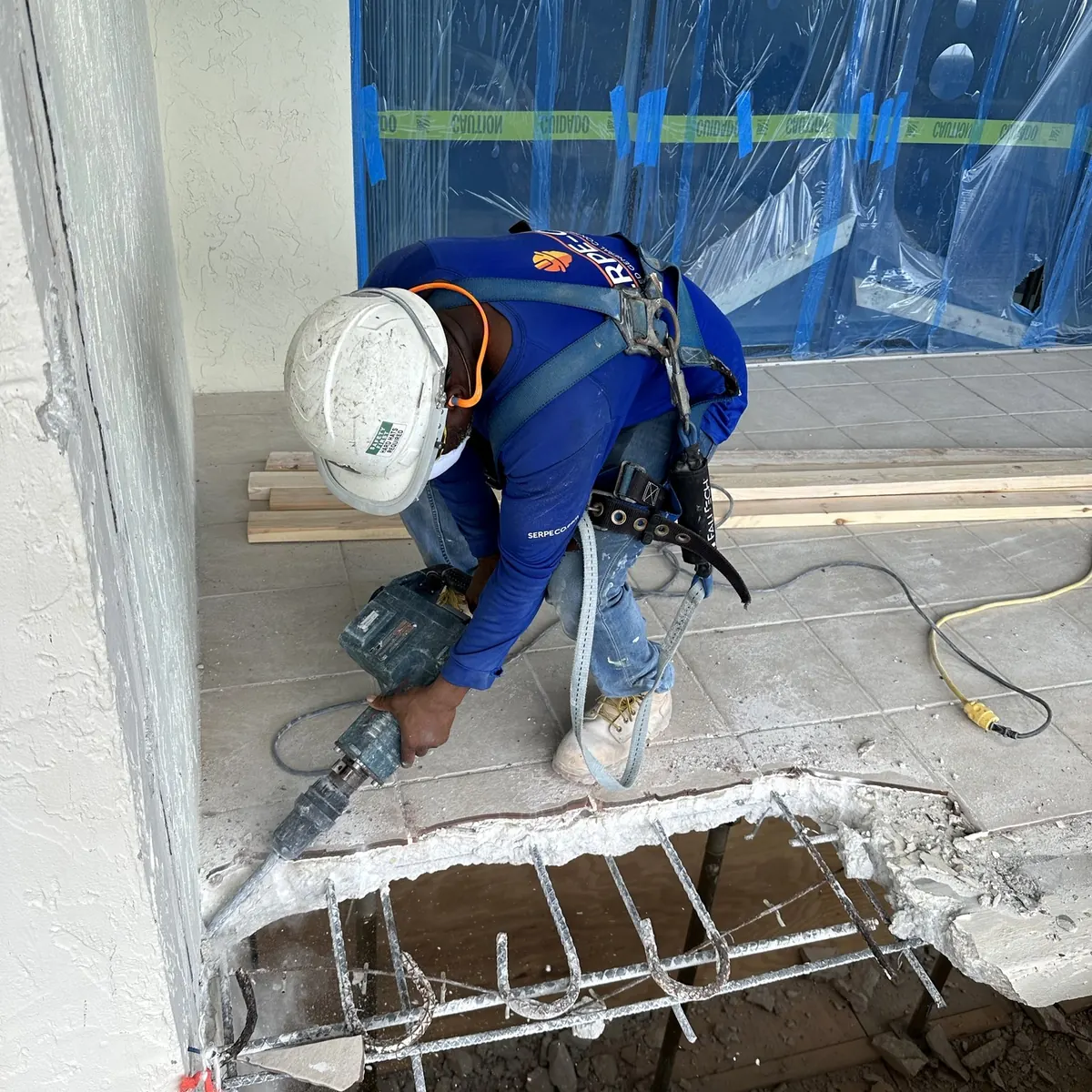
SERPE-CO is a Pompano Beach Certified General Contractor that builds concrete restoration, waterproofing and painting repairs. Licensed engineers diagnose and specify; we price and build their scope. This post explains what the stains mean from the job site and when to call your engineer.
What causes efflorescence
Concrete, mortar and stucco contain soluble salts. When water moves through the material, it dissolves those salts and carries them to the surface. The water evaporates and the salt stays behind as a white film or crust. Three things must be present: salts, water and a path for the water to reach the surface. Remove any one, and the deposits stop.
New concrete and fresh masonry often show light efflorescence as construction moisture dries out. That early bloom usually fades. Deposits that keep returning, grow over time or appear years after construction point to an ongoing water source.
Where it shows up on condominiums
- Garage ceilings and walls. Water from a deck or planter above is finding its way through cracks or joints.
- Under balconies. Failed balcony coatings or sealants let rain soak into the slab.
- Along cracks. Water is moving through the crack, and the white line traces its path.
- Planter walls. Wet soil holds water against the wall for months.
- Pool decks and pavers. Water under the deck carries salts up through joints.
When efflorescence is a warning sign
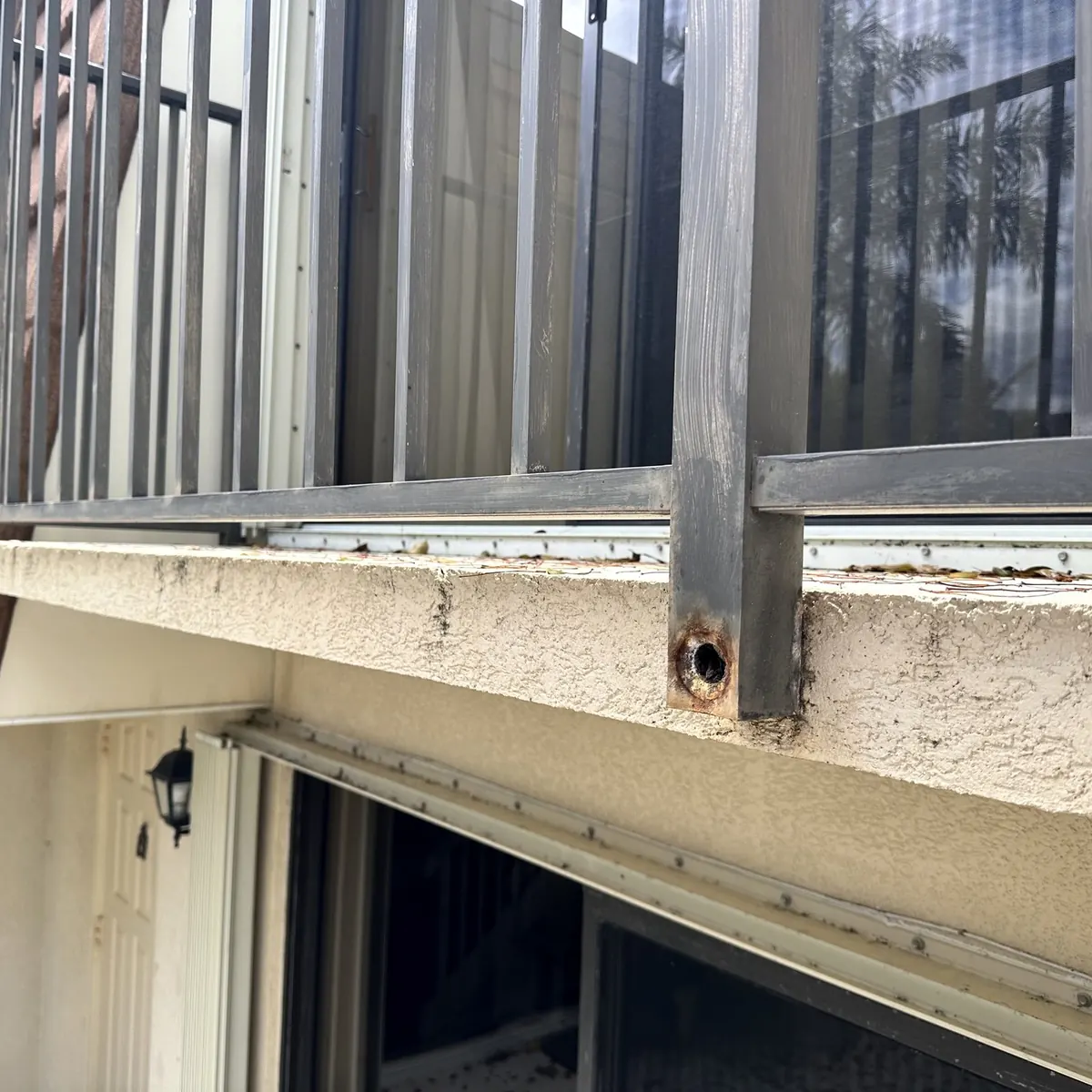
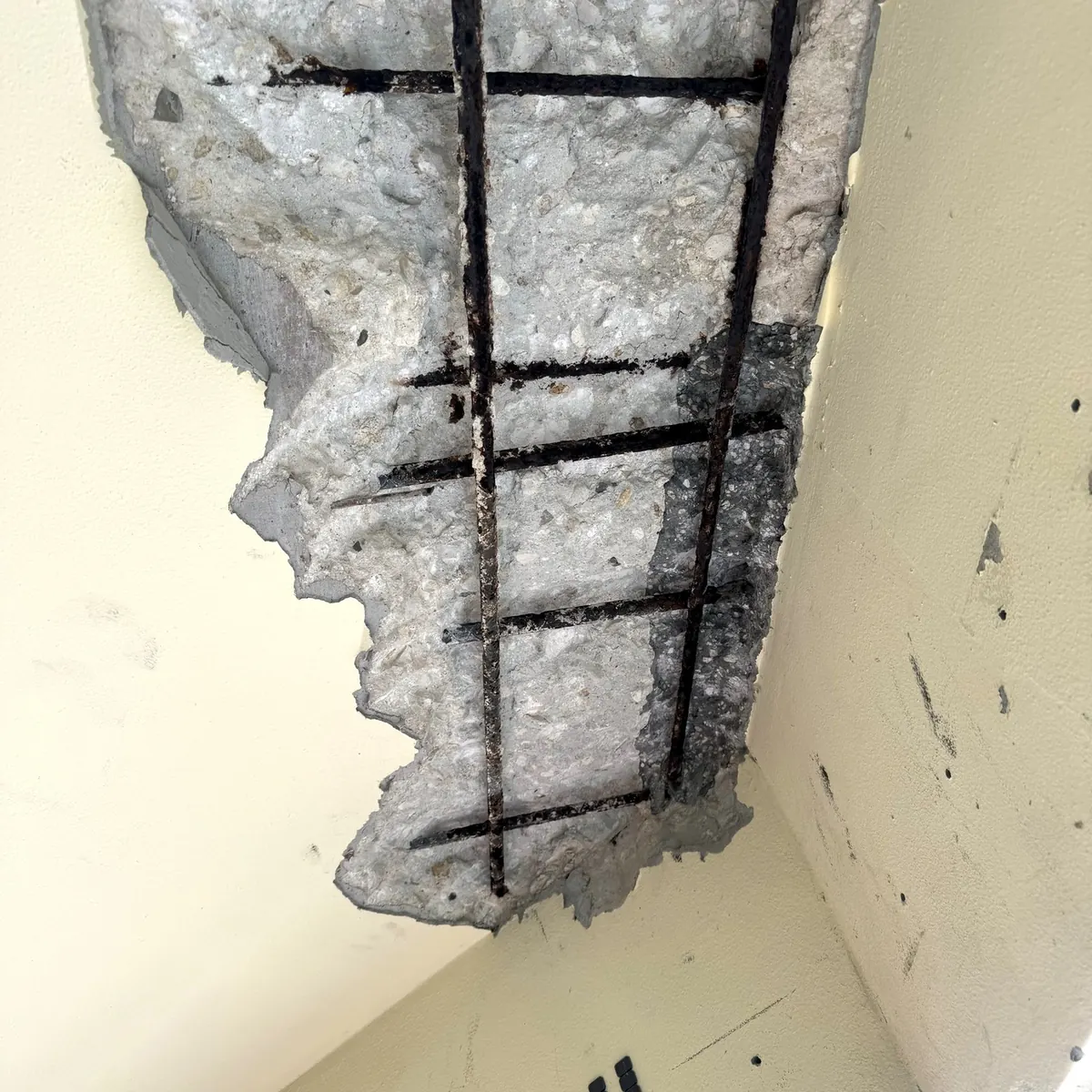
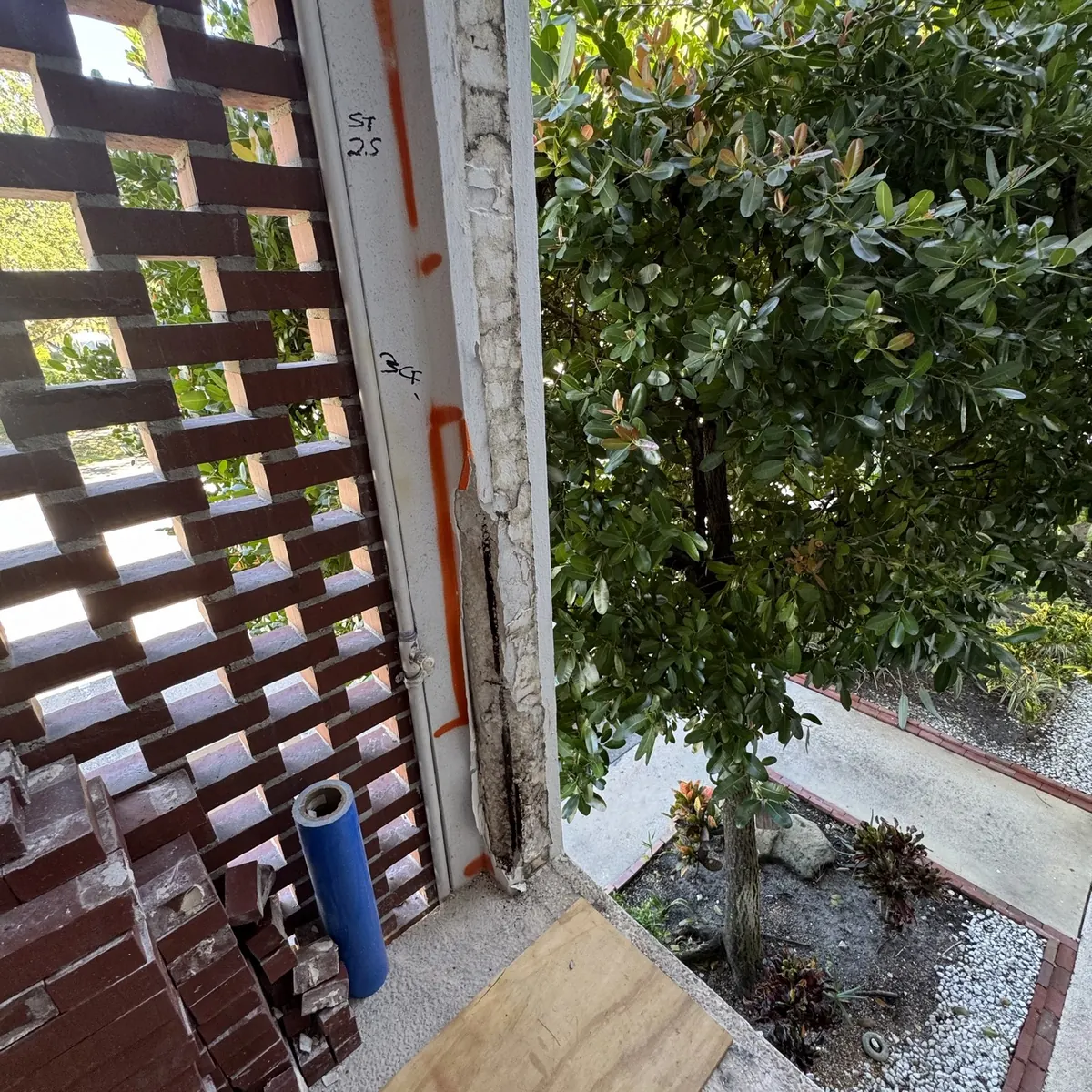
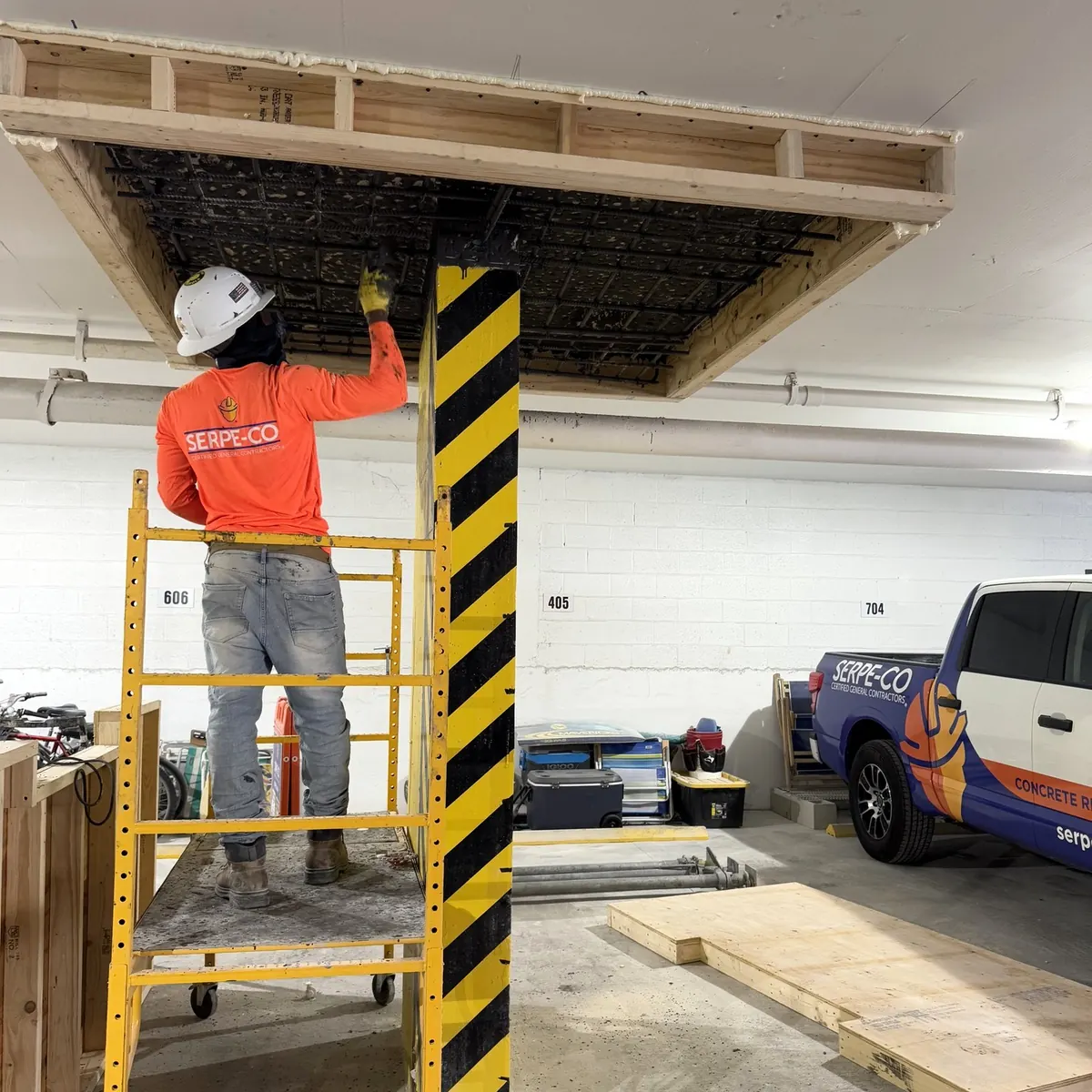
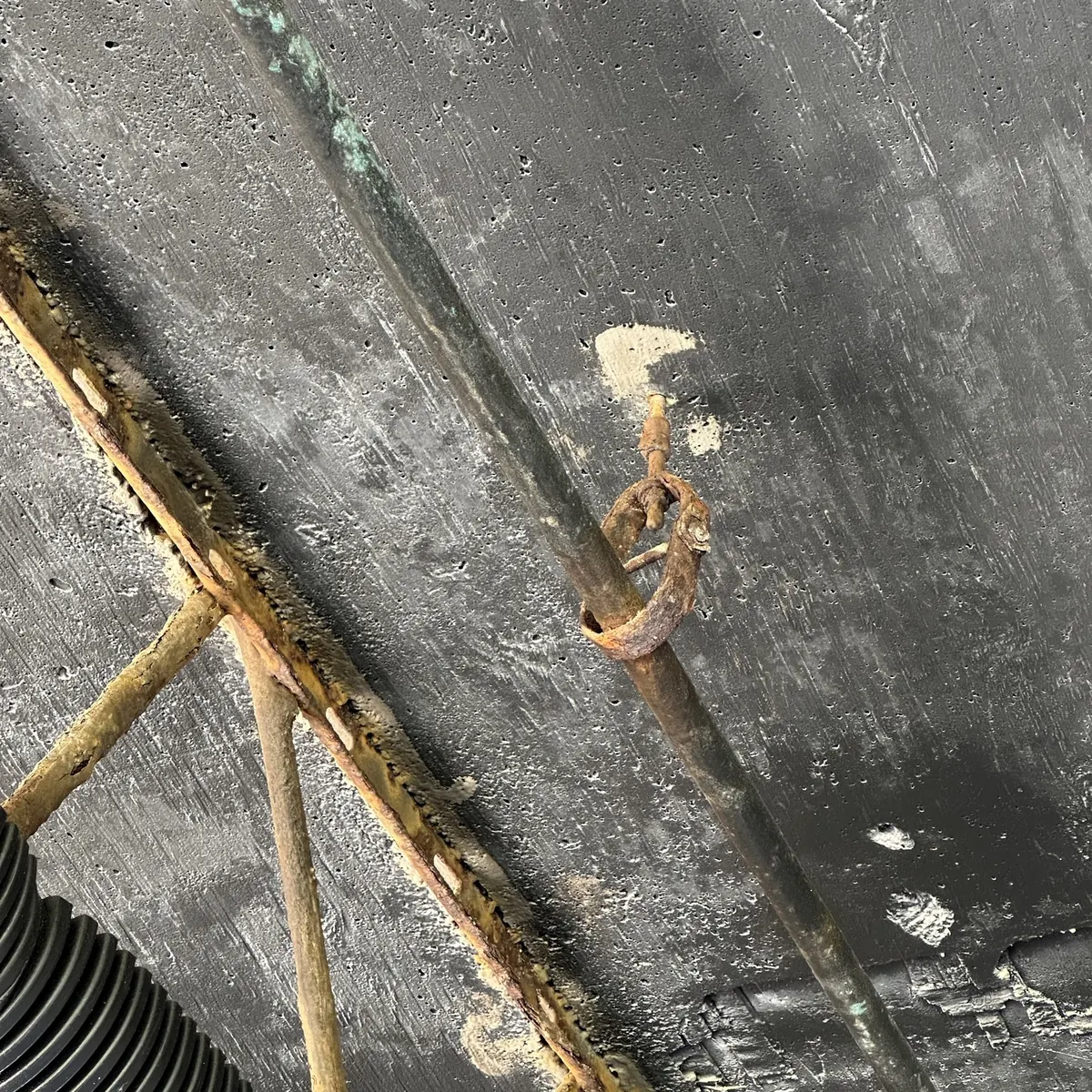
A light film on a wall that dries out is mostly cosmetic. Efflorescence becomes a warning when it appears with rust stains, cracks, bulging or hollow-sounding concrete, or when it drips from garage ceilings as stalactite-like growths. Those signs suggest water has been moving through the structure for a long time and may have reached the steel. Brett Serpe's article Catch It Before the Crack lists rust stains, hollow sounds, cracks and spalls as early warnings worth reporting.
Report recurring deposits to your engineer, especially on structural elements. Our posts on rust stains on concrete and concrete cancer explain what can be happening inside.
Why washing it off is not a fix
Efflorescence can be cleaned with brushing, rinsing or a mild cleaner the coating maker approves. Cleaning only removes the symptom. If water keeps moving through the concrete, the stains come back, and the hidden damage keeps growing. Painting over efflorescence is worse, because salts push the new paint off and moisture gets trapped behind it.
How a lasting fix works
A lasting fix stops the water. The engineer finds the source and specifies the repairs, which might include:
- Repairing cracked or delaminated concrete and treating corroded steel.
- Replacing failed sealants at joints, windows and penetrations.
- Installing or renewing waterproofing on decks, balconies and planters.
- Correcting drainage so water leaves the surface quickly.
- Cleaning the deposits and applying a breathable coating where specified.
Our waterproofing concrete post covers the membrane options, and our expansion joint repair post covers the joints that often leak into garages. Industry guidance from the International Concrete Repair Institute covers surface preparation for the repairs.
What boards can do now
- Photograph deposits with dates so the engineer can see if they are growing.
- Note what is above each stain: a balcony, planter, pool deck or garage level.
- Check drains and sealants above the area after heavy rain.
- Report any rust, cracking or hollow sounds near the stains to your engineer.
- Include water-source repairs in the reserve plan rather than repainting over stains.
Efflorescence and the next inspection
Inspectors notice white deposits, because they show where water travels. A building with recurring efflorescence on garage ceilings may need closer attention during a milestone or recertification inspection. Fixing the water source before the next inspection cycle is usually cheaper than repairing the steel damage it causes later. Our milestone inspection guide explains the inspection programs.
Efflorescence on pavers and pool decks
Pool decks and paver plazas often show white haze between and on top of pavers. Water moving through the setting bed carries salts up through the joints. Light haze on new pavers can fade on its own, but heavy or recurring deposits suggest poor drainage or water trapped under the deck. On an elevated deck, that water may also be reaching the waterproofing and the structural slab below.
Our pool deck pavers post explains the layers under the stone. Ask the engineer to check drains, slopes and the membrane if deposits keep returning on an elevated deck.
How SERPE-CO can help
SERPE-CO prices and builds the engineer's repair scope to stop the water behind efflorescence, from concrete repair to waterproofing and sealants. See our concrete restoration service and Broward County commercial waterproofing, then contact us or call (954) 718-3094.

CEO and co-founder of SERPE-CO, a family-owned Florida Certified General Contractor (CGC #1523974). In concrete restoration since 2005 and a contributor to the Florida Community Association Journal. This article is general information, not engineering or legal advice.