Balcony waterproofing is the thin layer that keeps rain, pool splash and wash water out of the concrete slab outside every unit. On a Florida condominium near salt water, that layer works hard. When it wears, cracks or pulls away at an edge, water reaches the steel inside the slab, and the repair that follows is far bigger than a recoat. This post walks board members and property managers through how balcony waterproofing works, where it fails, and when to plan the next round.
What balcony waterproofing actually protects
A balcony slab is reinforced concrete hanging off the side of the building, open to sun, wind-driven rain and salt air. Concrete is porous. Water and chlorides soak in over time and reach the reinforcing steel, and once that steel starts to rust it expands and cracks the concrete around it. The result is the spalling and rust staining most boards have already seen somewhere on the property.
A good balcony waterproofing system slows that process by keeping water on the surface and moving it off the slab. The membrane or coating does the first job. Slope, drains and sealant joints do the second. All three need to work together, and a weak point in any one of them lets water in where nobody can see it.
Where water gets into a condo balcony
Most balcony leaks do not start in the middle of the floor. They start at the edges and the penetrations, where different materials meet and move at different rates. Engineers look closely at these spots during an evaluation, and repairs usually concentrate there too:
- Slab edges. The outer edge of the slab takes the most weather and often has the least concrete cover over the steel.
- Railing posts and post pockets. Every post set into the slab is a hole in the waterproofing unless it is sealed and maintained.
- Door thresholds and sliding door tracks. Water that collects at the door can run under the threshold and into the unit or the slab.
- Wall-to-floor joints. The joint where the slab meets the building wall needs the membrane turned up and sealed, not stopped short.
- Cracks and cold joints. Hairline cracks open and close with heat, and a rigid coating will split along them.
- Drains and scuppers. A clogged or poorly sealed drain turns a small rain into standing water.
Railing posts deserve extra attention
Railing posts are one of the most common trouble spots on older balconies. Water runs down the post, sits in the pocket and attacks both the post and the reinforcing around it. On a coastal building the combination of salt, steel and trapped water can crack the slab edge from the inside out.
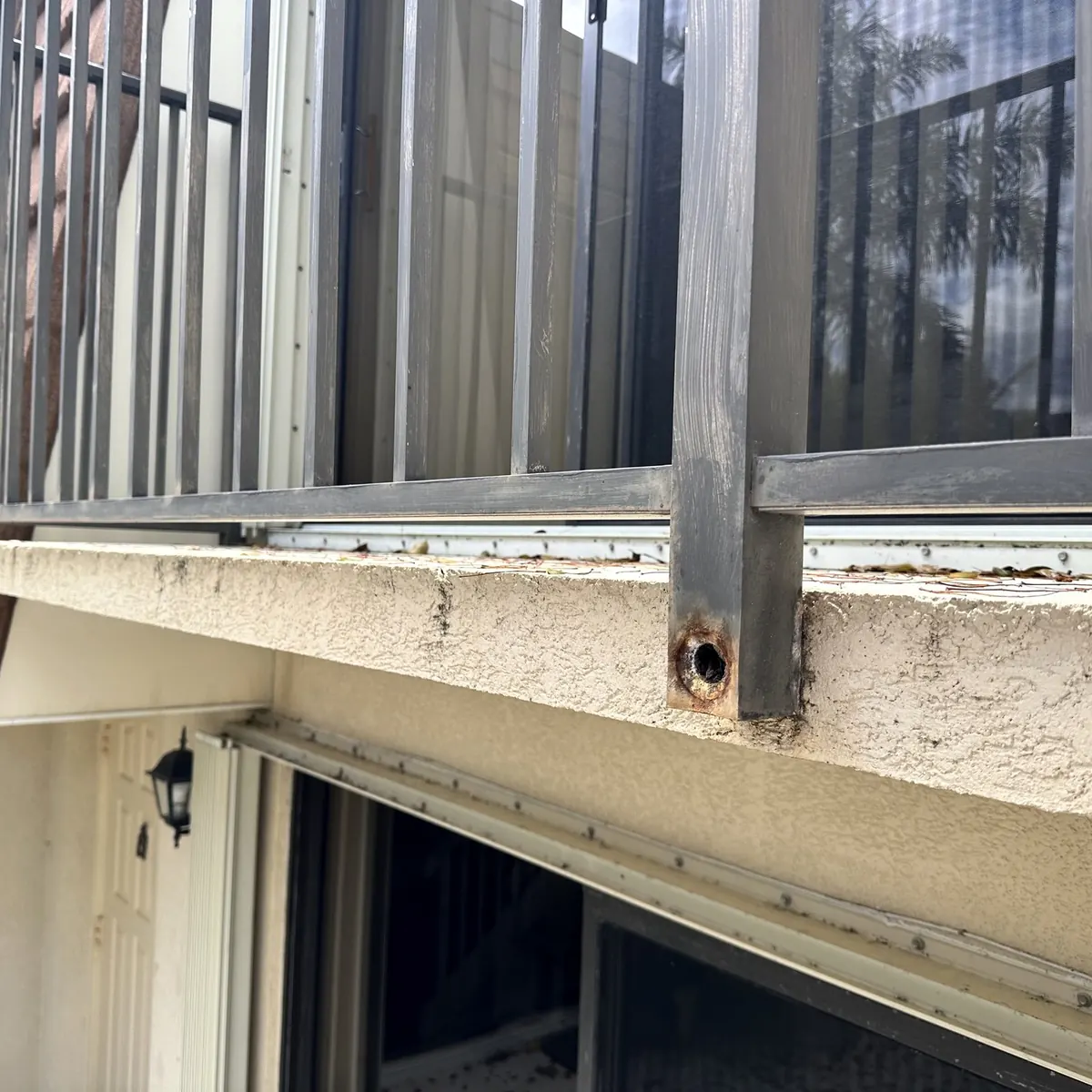
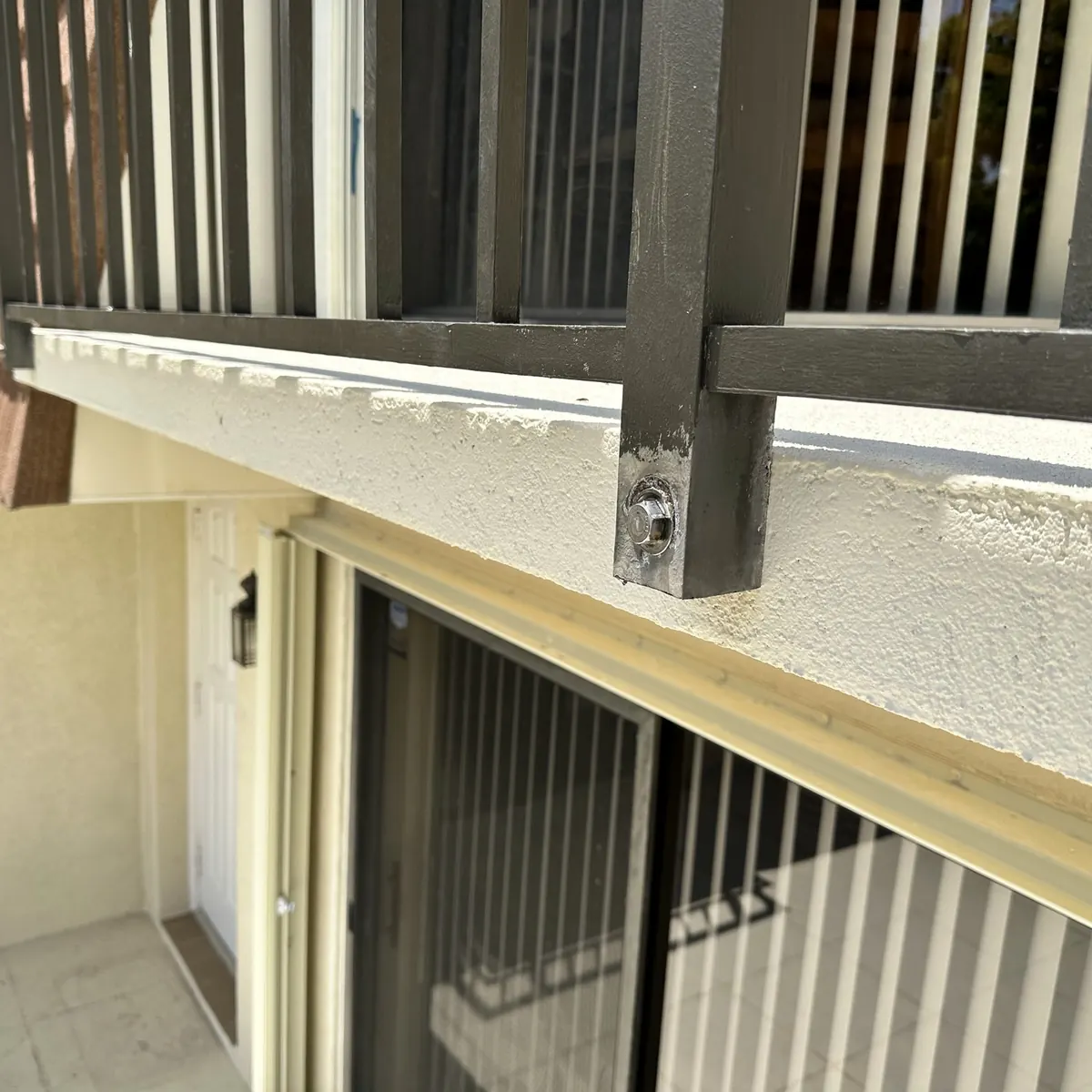
When a project includes railing work, the posts are usually removed, the pocket and surrounding concrete are repaired as the engineer specifies, and the railing is reset with the pocket sealed so water sheds away. Our balcony work at condominiums such as The River North balcony slab repair included resetting railings after the slab edge was rebuilt.
Thresholds and walls
Door thresholds are where balcony waterproofing meets the unit itself. If the coating stops short of the threshold, or the threshold sits lower than the balcony surface, water finds its way inside. The same logic applies where the slab meets the wall. The membrane should run up the wall a short distance and tie into the wall finish, and on a Florida building that wall finish is usually paint, which is itself part of the waterproofing on the exterior.
Balcony waterproofing systems: membranes and coatings
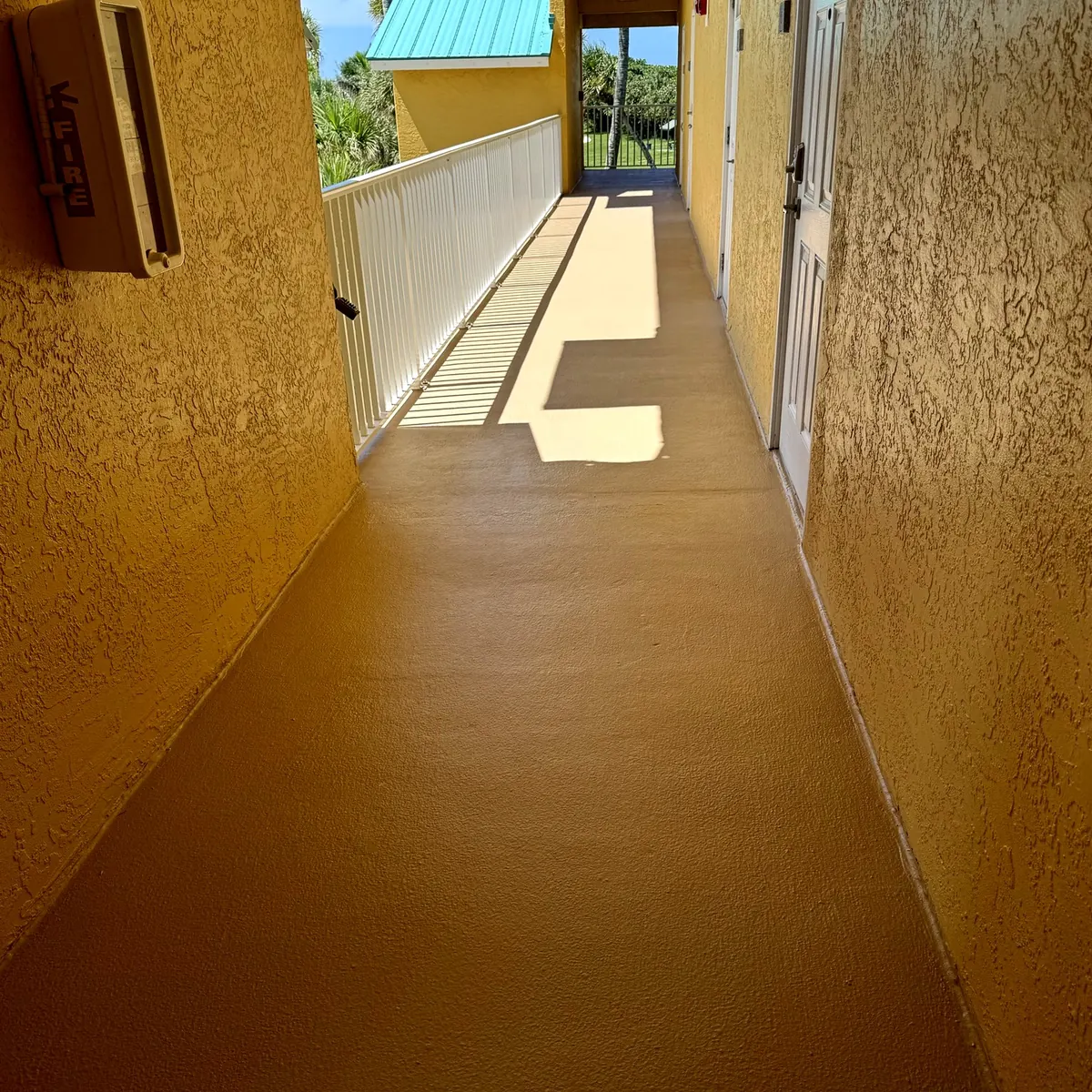
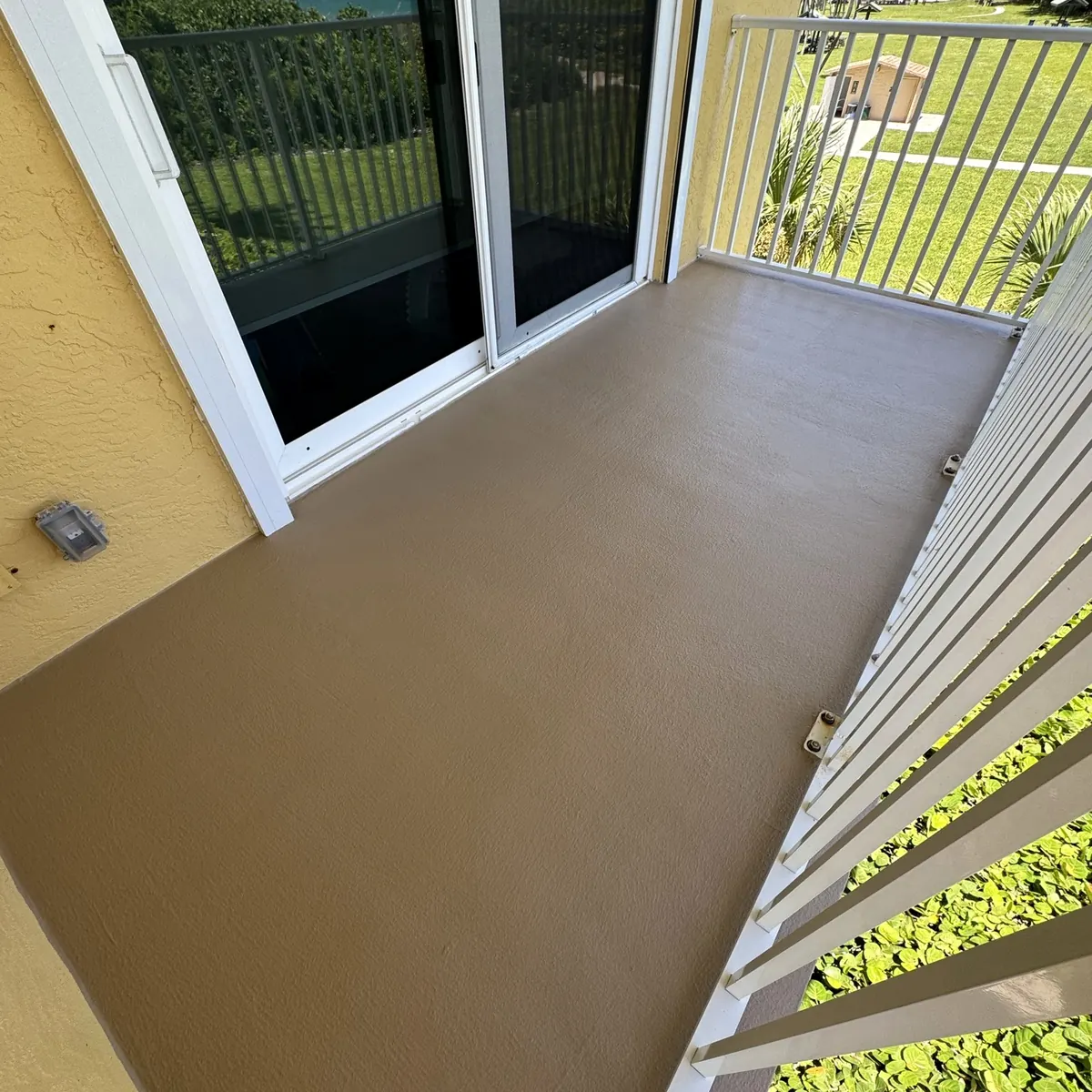
Most condo balconies in South Florida use a liquid-applied coating system rather than a sheet membrane. The products vary by manufacturer, but the structure is similar: a primer to bond to the concrete, a flexible base coat that does the waterproofing, and one or more top coats that resist sun and foot traffic, often with fine aggregate broadcast in for slip resistance. Some balconies have tile over a membrane instead, which hides the waterproofing and makes leaks harder to trace.
Which system fits a building is a design decision. The engineer or architect of record specifies the product type and details, often based on the existing surface, the exposure and what the association wants the balconies to look like. The contractor's job is to prepare the concrete correctly and install the system to the manufacturer's instructions, because most coating failures trace back to surface preparation, not the product.
For deeper technical reading, the International Concrete Repair Institute technical publications cover surface preparation and repair practice that design professionals draw on when they write specifications.
Drainage and slope matter as much as the coating
Water that does not drain will eventually get through any coating. A balcony slab should slope gently away from the building toward the edge or a drain. Older slabs sometimes settle, deflect or were built flat, and ponding water sits for hours after every storm.
Where ponding is a problem, the repair plan may call for re-sloping with a repair mortar or topping before the new balcony waterproofing goes down. Drip edges at the slab edge also help by keeping water from running back under the slab and down the face of the building, where it stains and soaks the soffit.
Repair the concrete before the balcony waterproofing goes down
A new coating over damaged concrete only hides the problem for a while. If the steel inside is already rusting, the corrosion keeps going under the new surface, and the coating cracks or blisters when the concrete beneath it moves. That is why balcony waterproofing is usually the last step of a balcony restoration, not the first.
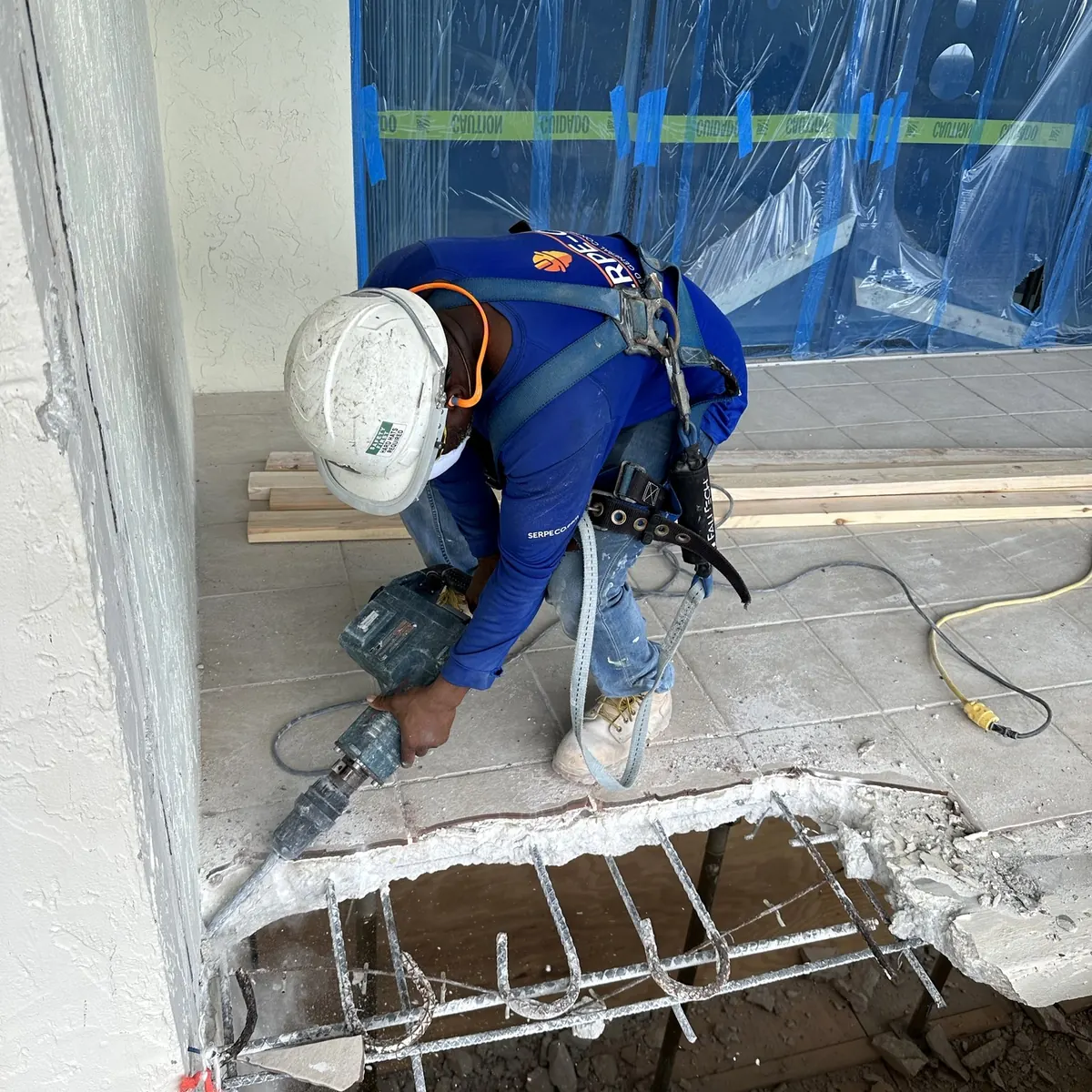
A typical sequence, following the engineer's repair documents, looks like this:
- A licensed engineer evaluates the balconies, often by sounding the concrete, and issues repair drawings and specifications.
- The contractor pulls permits, protects the units and sets up shoring where the engineer requires it.
- Deteriorated concrete is removed to sound material, and corroded reinforcing is cleaned, treated or replaced as specified.
- The repair areas are formed and filled with repair mortar or new concrete, and railing pockets are rebuilt.
- Cracks and joints are treated, sealant goes in at thresholds and walls, and drains are checked.
- The surface is prepared and the waterproofing system is applied coat by coat.
- The engineer and building department inspect, and the permit is closed out.
For more on what happens inside the slab, see our posts on spalling concrete on Florida condos and rust stains on concrete as an early warning.
Signs it is time to redo balcony waterproofing
Coatings wear out. Sun breaks down the top coat, foot traffic and furniture wear through it, and the base coat eventually loses its stretch. Boards should ask their engineer or manager to look at the balconies when they see any of the following:
- Peeling, blistering or bubbling coating, especially near doors and edges.
- Bare concrete showing through worn paths or under planters and furniture.
- Cracks in the coating that follow cracks in the slab.
- Rust stains on the slab edge, the soffit below or around railing posts.
- Standing water that stays after a storm.
- Leaks or stains on the ceiling of the balcony below or inside a unit near the door.
- Loose railings or cracked concrete around post pockets.
How often a balcony needs recoating depends on the product, the exposure and how the balconies are used. The manufacturer's guidance and the engineer's recommendations should drive the schedule. Many associations fold a recoat into their exterior painting cycle, since the coast tends to call for repainting roughly every 7 to 10 years and the scaffolding or swing stages are already on the building.
Balcony waterproofing, milestone inspections and planning
Florida's milestone inspection law, Florida Statute 553.899, requires a licensed engineer or architect to inspect condominium and cooperative buildings of three or more habitable stories, first by December 31 of the year the building reaches 30 years (or 25 if the local building department requires it), then every 10 years. When that report calls for balcony repairs, the waterproofing is a natural part of the same project.
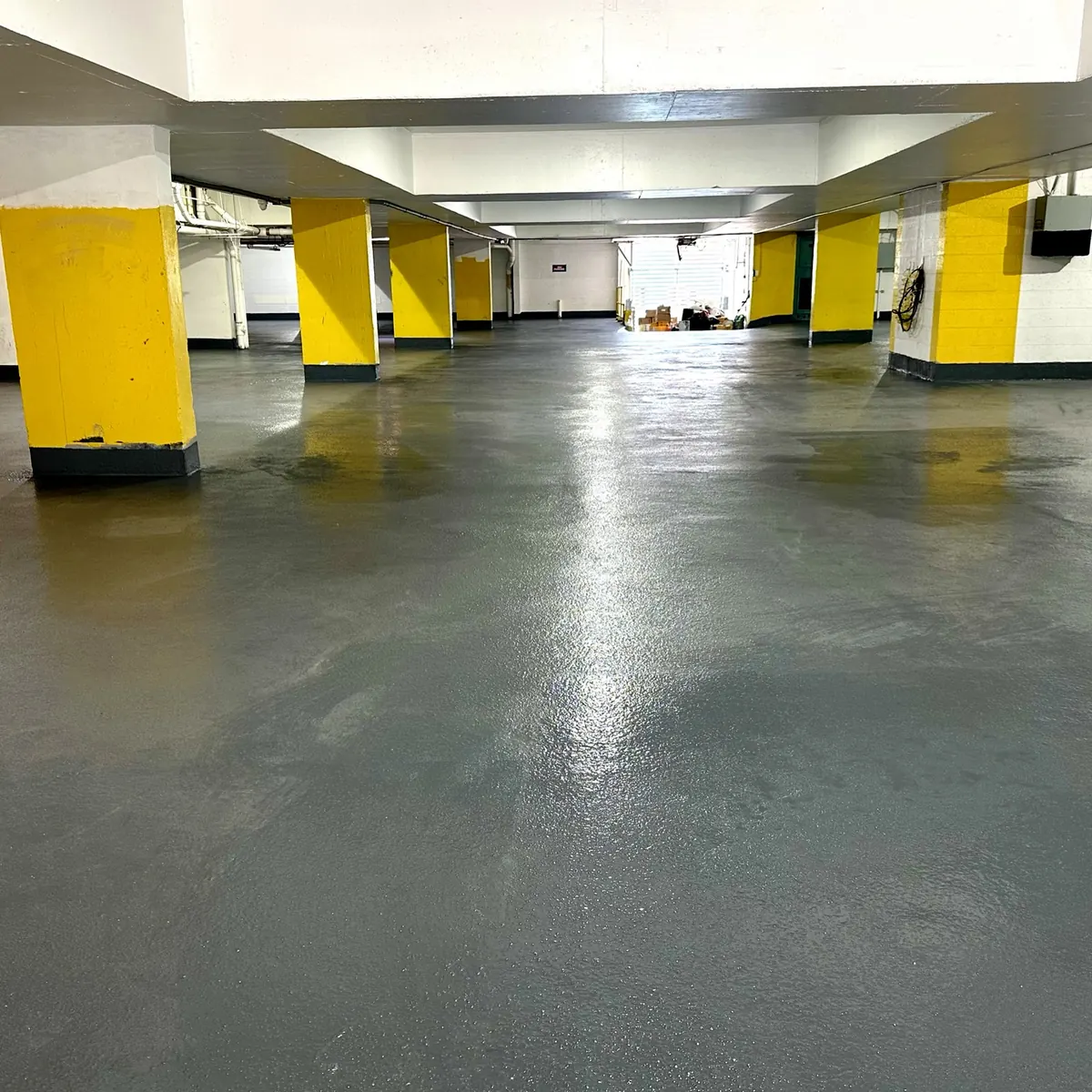
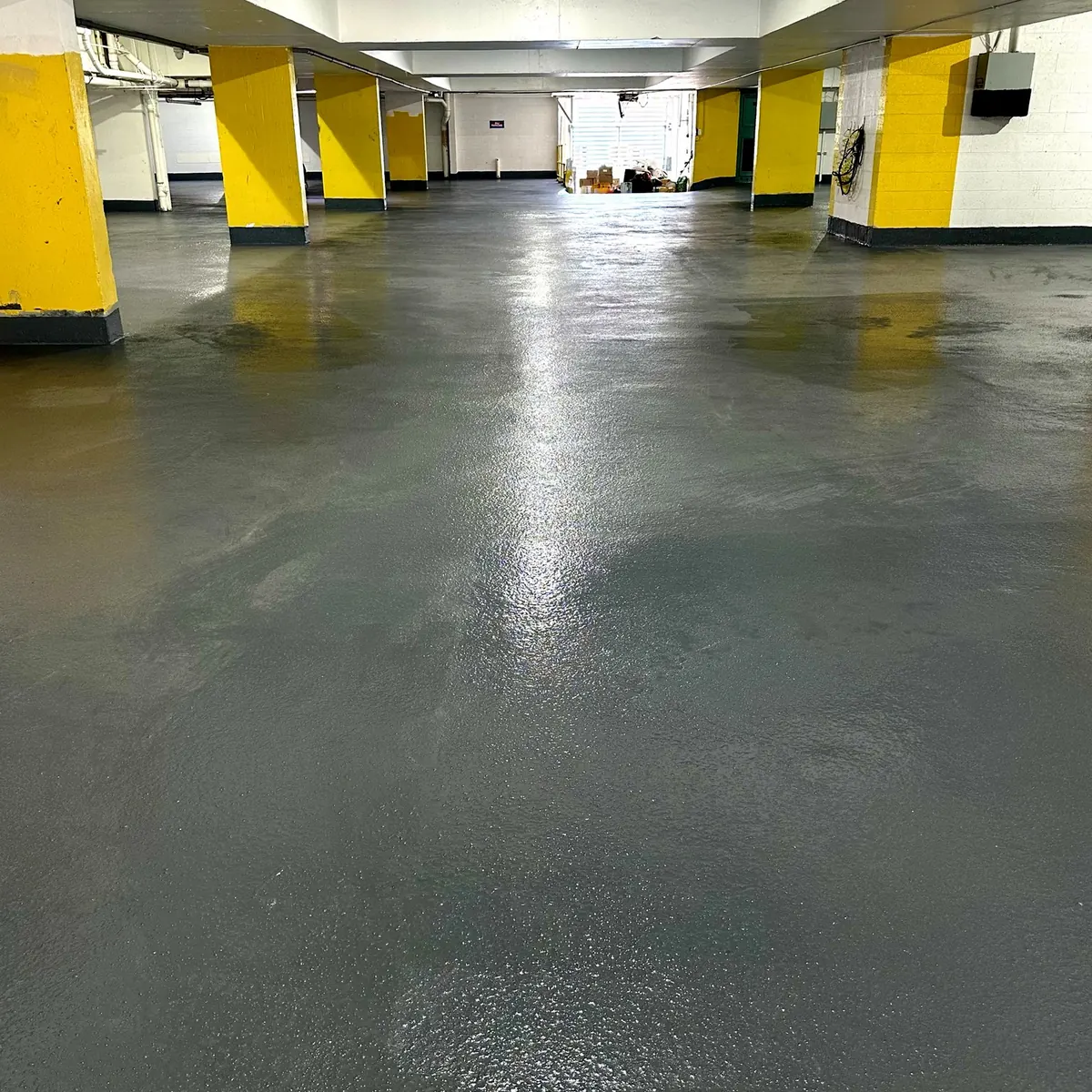
Planning balcony waterproofing alongside concrete repairs, painting and other exterior work lets the association set up access once and protect residents once. Our milestone inspection guide explains the state and county programs in plain terms. Garages and plaza decks face a similar problem from car traffic, which we cover in our post on traffic coating for parking garages.
How SERPE-CO can help
SERPE-CO is a family-owned Florida Certified General Contractor, CGC #1523974, based in Pompano Beach. We build the balcony repairs and balcony waterproofing that licensed engineers specify, working closely with associations, managers and design professionals from St. Lucie County to Miami-Dade County. Brett and Jason Serpe bring more than 20 years in the field, an organized schedule and a crew that treats safety as the first priority on occupied buildings.
Learn more about our balcony restoration services and painting and waterproofing work, or see our balcony restoration in Broward County. To talk through your engineer's plan or request a bid, contact SERPE-CO or call (954) 718-3094.
The information in this article is general guidance for condominium boards and managers, not engineering or legal advice. Your engineer of record and association attorney should guide decisions for your building.

CEO and co-founder of SERPE-CO, a family-owned Florida Certified General Contractor (CGC #1523974). In concrete restoration since 2005 and a contributor to the Florida Community Association Journal. This article is general information, not engineering or legal advice.