Few board agenda items land harder than a special assessment. Condo owners in South Florida have heard the phrase more often since the state's structural laws changed, and most of those assessments trace back to the same source: concrete and structural repairs that a milestone inspection or reserve study puts on paper. A special assessment condo boards can explain, defend and schedule is almost always one that was planned early. This post walks through why repairs drive assessments, how reserves and the structural integrity reserve study fit in, and what a board can do now to keep the number from being a surprise.
A quick note before we start: SERPE-CO is a licensed general contractor that builds repairs. We are not attorneys or accountants, and nothing here is legal or financial advice. Every funding decision belongs with your board, your association attorney and your CPA.
Why concrete repairs drive a special assessment condo owners notice
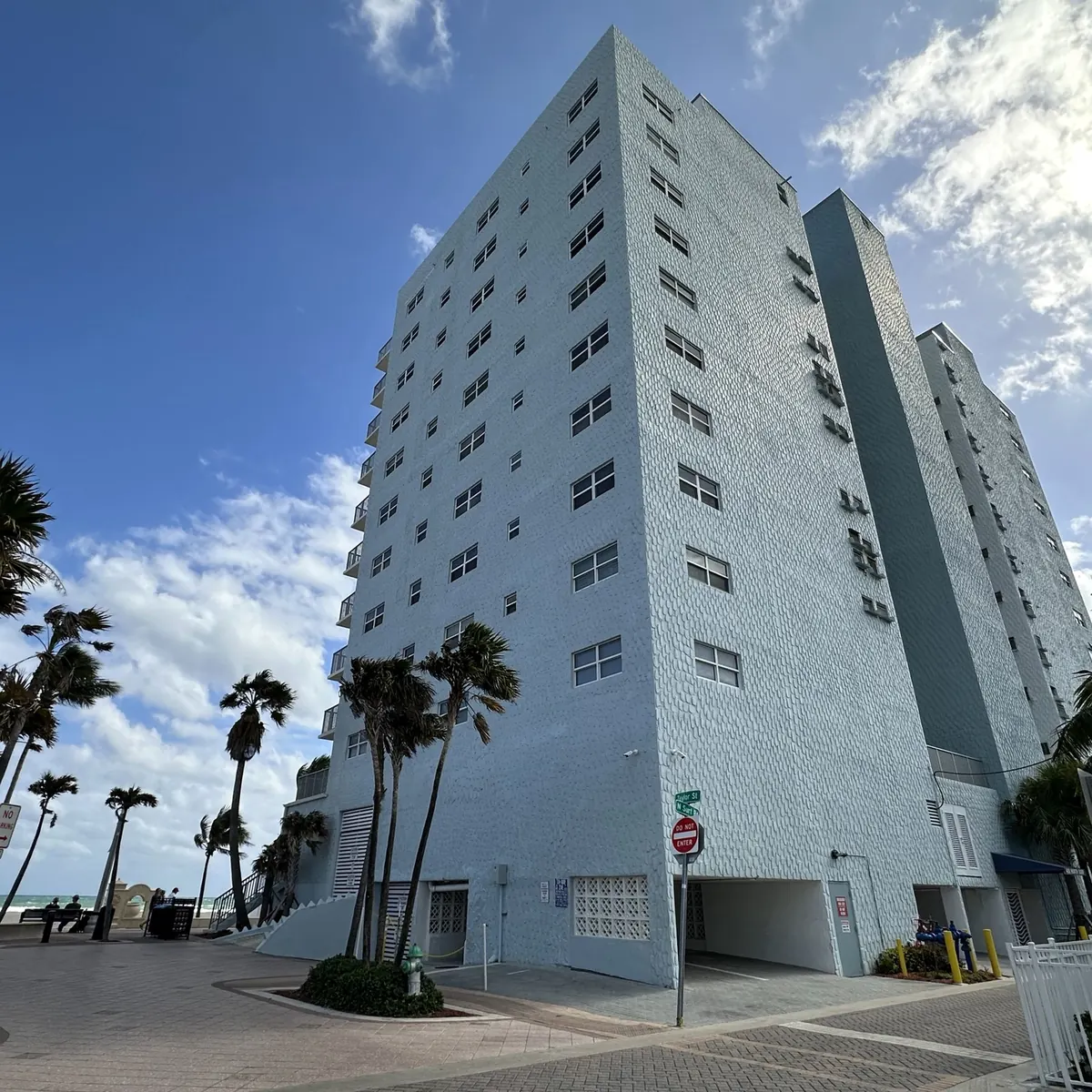
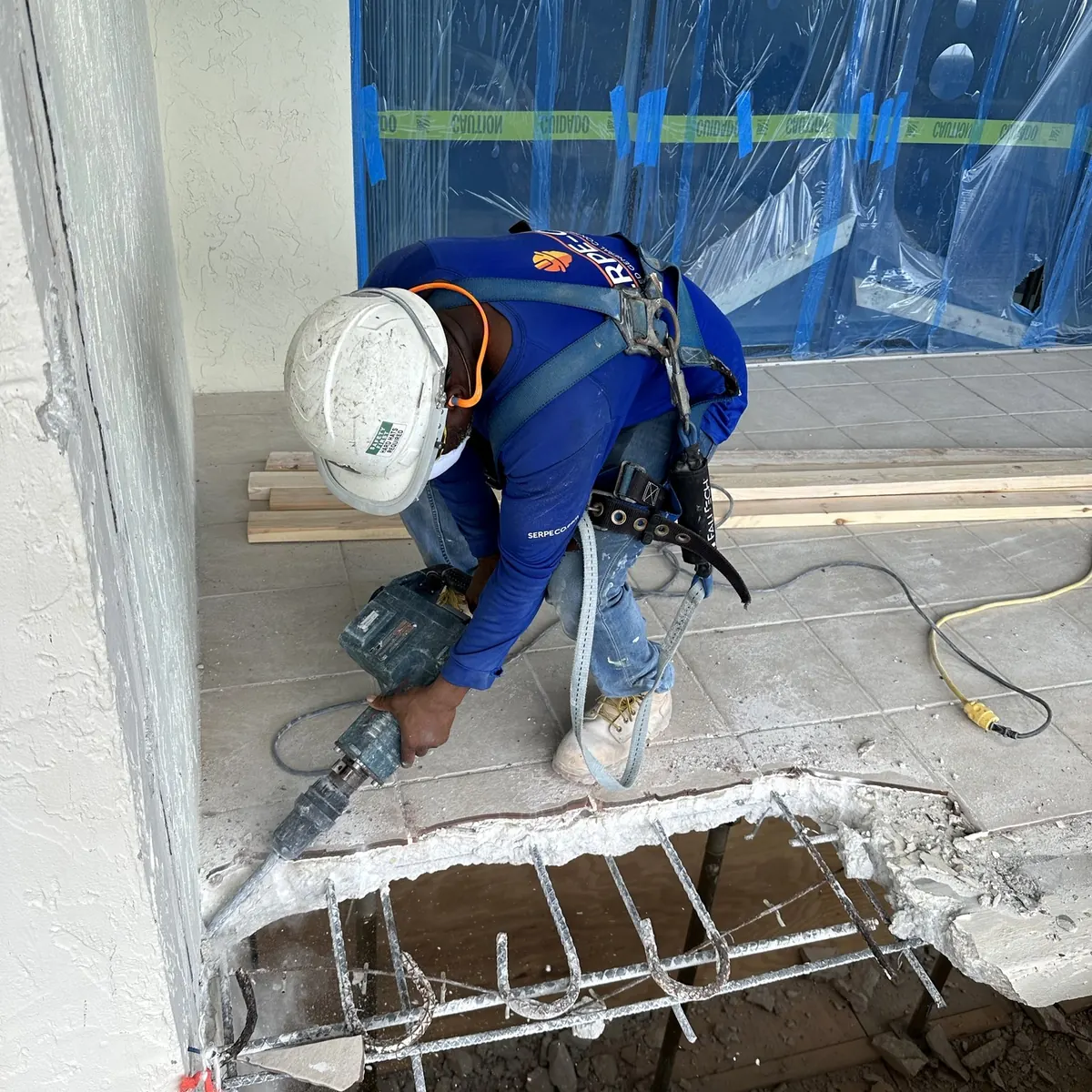
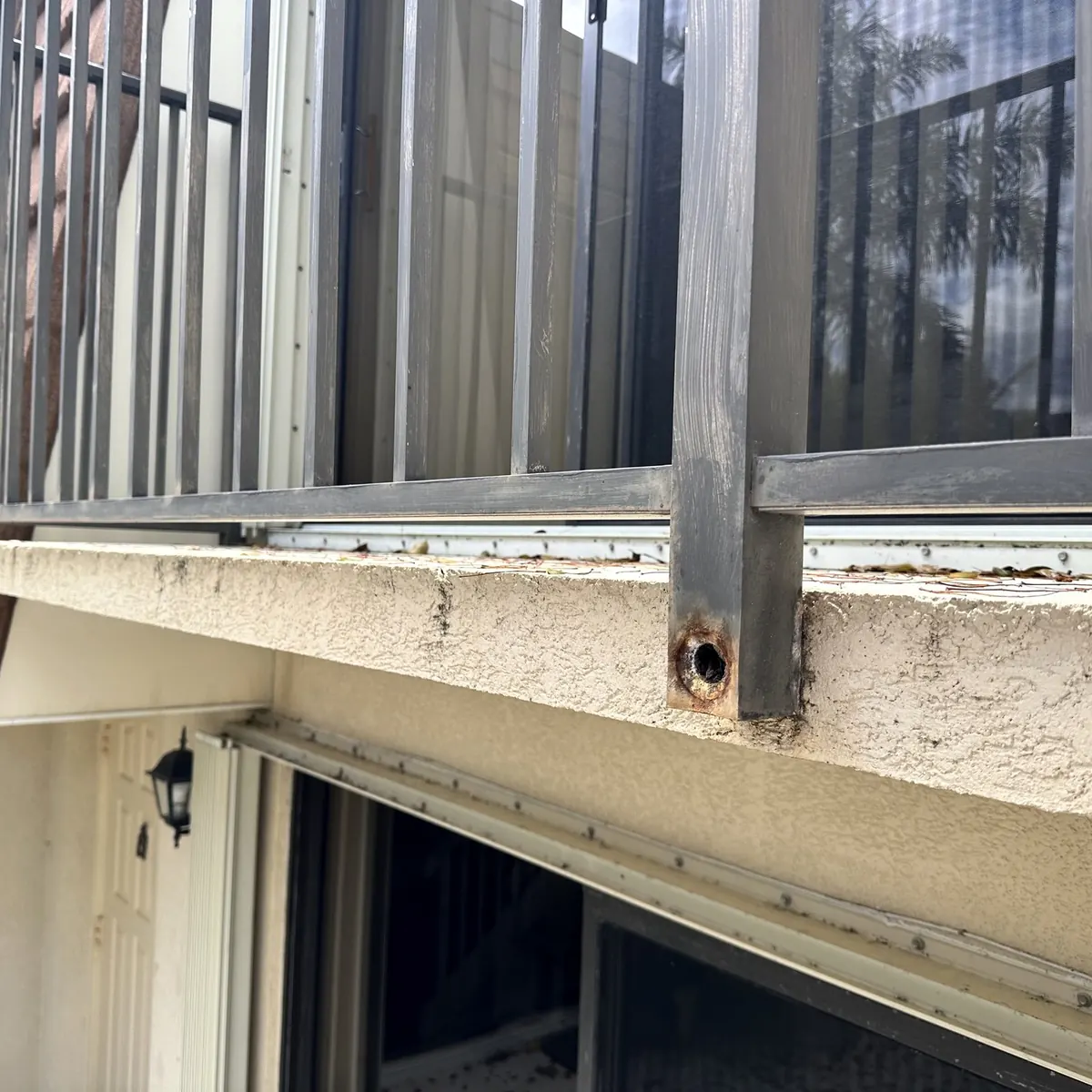
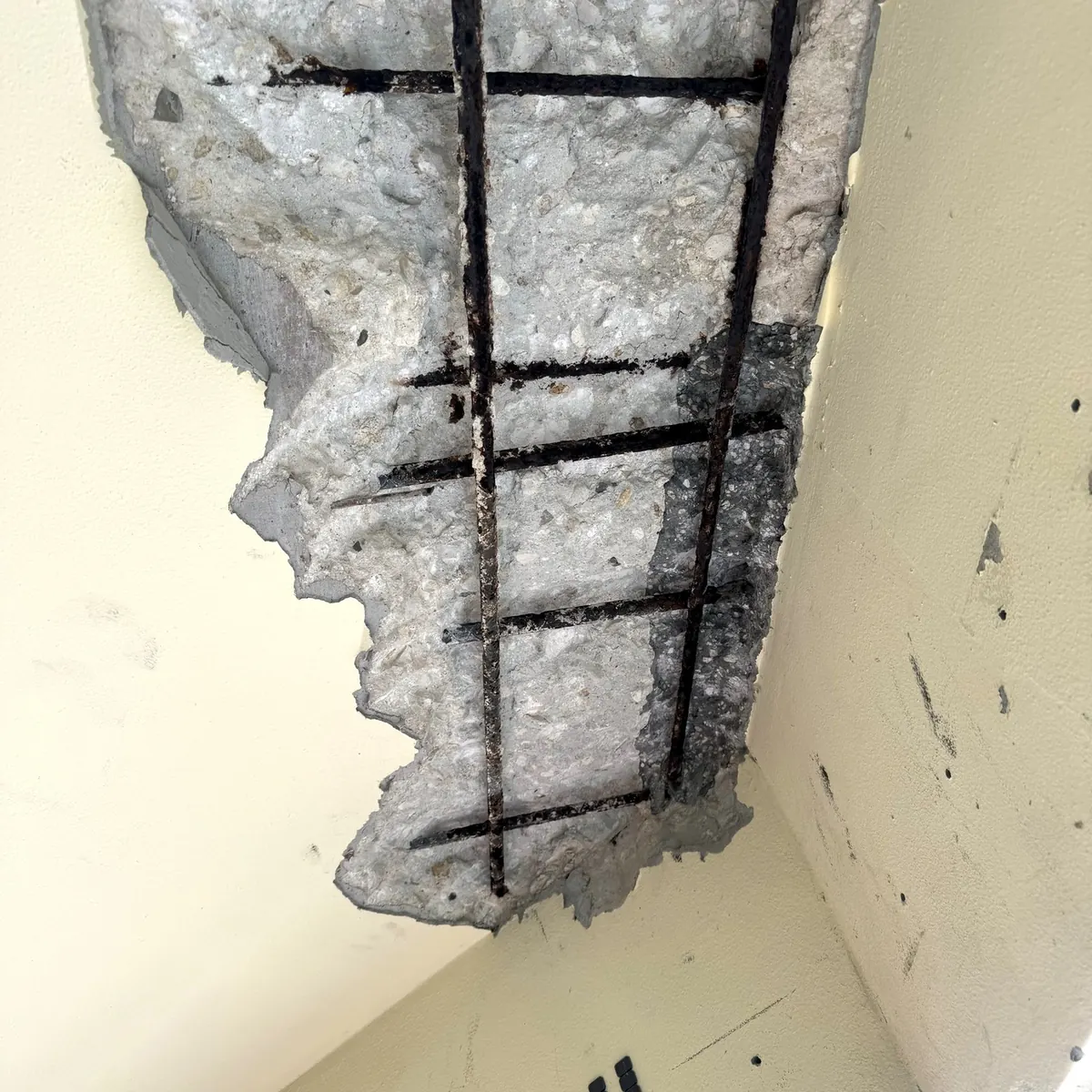
Most coastal condominiums in Broward, Palm Beach and Miami-Dade were built with reinforced concrete. Salt air and rain work their way into balconies, slab edges, columns and garage ceilings over decades. When the steel inside starts to rust, it expands and breaks the concrete around it. Repairs at that stage are structural work: shoring, removing damaged concrete, treating or replacing rebar and rebuilding the section.
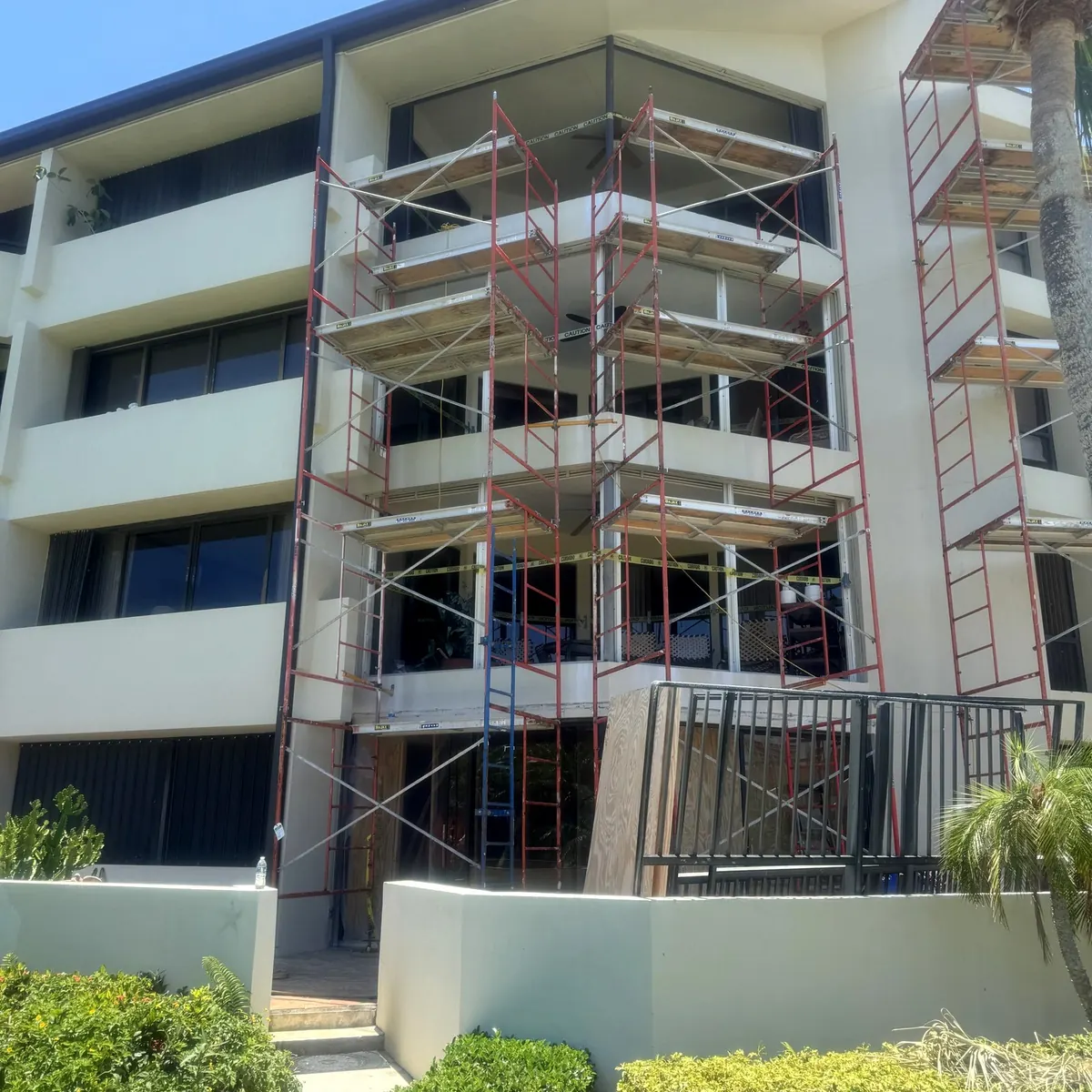
Structural repairs on an occupied building also come with costs that routine maintenance does not. Access equipment such as scaffolding or swing stages, permits, engineering, protection for residents and phasing around occupied units all add up. When the reserve account was not built for that scope, the gap usually becomes a special assessment.
Timing makes the gap worse. Corrosion keeps spreading while a board waits, so the repair area grows and the bill grows with it. Brett Serpe made this point in his Florida Community Association Journal article, Catch It Before the Crack: rust stains, hollow-sounding concrete, cracks and spalls are early warnings, and fixing the water path costs less over time than chasing isolated patches. Our post on concrete cancer and rebar corrosion explains how that damage spreads.
Milestone inspections put repairs on a deadline
Florida Statute 553.899 requires a milestone inspection for condominium and cooperative buildings three or more habitable stories tall. A Florida-licensed engineer or architect performs it. The first inspection is due by December 31 of the year the building reaches 30 years from its certificate of occupancy, then every 10 years, and the local building department may require the first one at 25 years based on conditions such as salt water. The current text is on the Florida Legislature's statute site.
Once the inspector reports substantial structural deterioration, repairs move from "someday" to a schedule. Miami-Dade and Broward also run their own recertification programs with their own timelines. Our milestone inspection guide for South Florida boards lays out the state law, the county programs and how they overlap.
Reserves, SIRS and the special assessment condo question
Florida Statute 718.112(2)(g) requires a residential condominium association to complete a structural integrity reserve study, or SIRS, for each building of three or more habitable stories, at least every 10 years. The study covers the roof, the structure, fireproofing and fire protection, plumbing, electrical systems, waterproofing and exterior painting, windows and exterior doors, and other qualifying items.
The reserve rules matter for any special assessment condo boards are weighing. For budgets adopted on or after December 31, 2024, a unit-owner-controlled association that must obtain a SIRS may not vote to waive or reduce reserves for the study components. Reserve funds for those components may be used only for their replacement or deferred maintenance.
The statute also allows a limited pause. For budgets adopted on or before December 31, 2028, an association that completed a milestone inspection within the previous two calendar years may, with approval by a majority of the total voting interests, pause or reduce reserve contributions for up to two consecutive annual budgets so the money can go to the recommended repairs. A new reserve study must be done before contributions resume. Whether your building qualifies is a question for your attorney.
Funding options the statute names
Under Florida Statute 718.112, reserves for the SIRS items may be funded through several methods:
- Regular assessments, built into the annual budget.
- Special assessments, charged to owners for a specific purpose.
- Lines of credit, drawn as the work needs funds.
- Loans, repaid over time.
A special assessment, a line of credit or a loan under that section requires approval by a majority vote of the total voting interests of the association. The statute adds that a unit-owner-controlled association that must have a SIRS may secure a line of credit or loan to fund capital expenses required by a milestone inspection or a SIRS, and that the funds must be immediately available to the board for required repairs without further member approval. Those details must appear in the annual financial statement delivered to owners.
The SIRS itself has to reflect the funding choice. If the study was completed before the association approved a special assessment or secured financing, the statute says the study must be updated to show the method selected and its effect on the reserve schedule. Ask your CPA and reserve professional how that update fits your budget calendar.
Notice rules apply too. Written notice of a meeting where a nonemergency special assessment will be considered must go to owners and be posted on the property at least 14 days before the meeting, and the notice must state the purposes and estimated cost. Your attorney will confirm the exact steps for your association.
How phasing changes the picture
Phasing does not shrink the total scope, but it can change how and when money is needed, and that can shape the size and timing of a special assessment condo owners are asked to approve. A contractor and engineer can often split a project by elevation, by stack of balconies or by garage level. That gives the board a sequence it can match to the funding plan and keeps parts of the building usable while work moves around it.
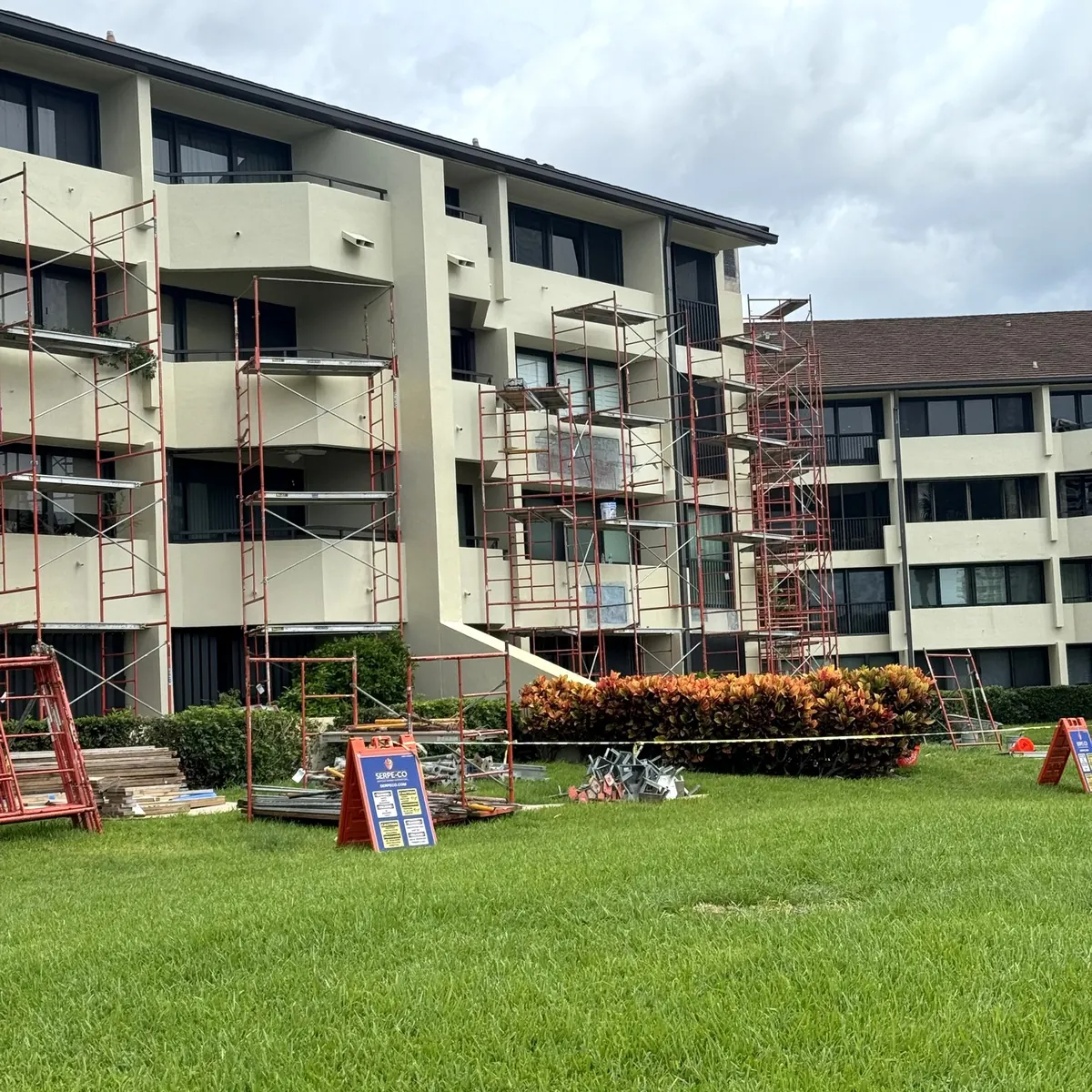
A garage repair is a good example. At condominiums such as Edgewater, garage ceiling repairs were followed by a new traffic coating across the parking level, and garage work of that kind is often planned level by level so residents can keep parking. Exterior work from swing stages, like the column and balcony repairs at the 2770 Building, can likewise move drop by drop around the tower.
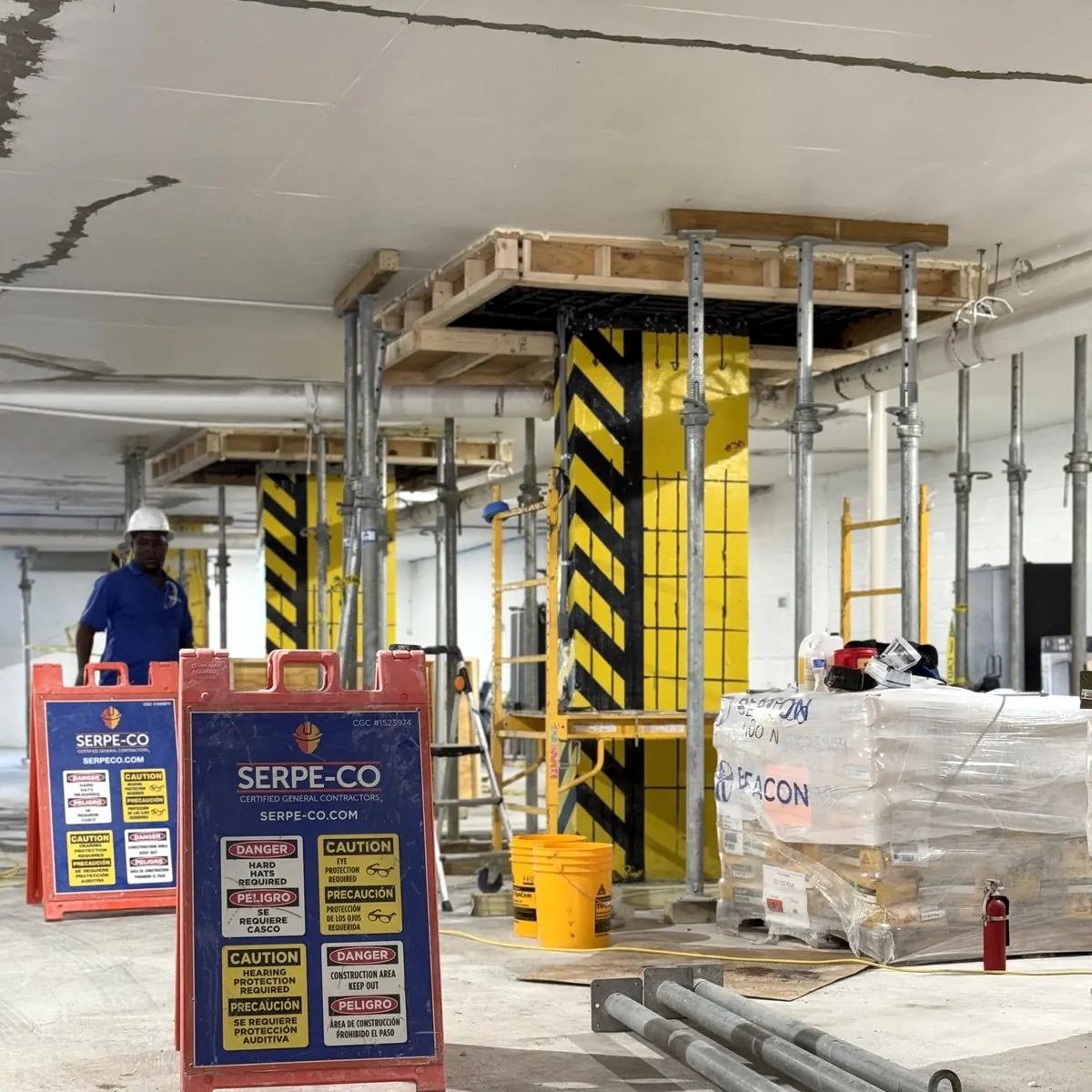
Phasing works best when it is designed in from the start. Ask for it during bidding, so every contractor prices the same sequence and the board can compare bids on equal terms.
Steps that help before the vote
Boards that plan ahead tend to have calmer owner meetings, and a special assessment condo owners saw coming is far easier to pass. Here is a practical order of operations that many associations follow:
- Know your dates. Find the certificate of occupancy date and work out when the milestone inspection, county recertification and next SIRS fall due.
- Get the engineer's findings early. The inspection report and repair drawings define the scope that every contractor will price.
- Bring in a contractor during design. A repair contractor can talk through access, sequencing and phasing while the engineer is still drawing, which helps the scope hold up once demolition starts.
- Plan for unknowns. Concrete repairs often grow once damaged material is removed, so ask the engineer and your CPA how to account for quantities that may change.
- Pick the funding method with professionals. Your attorney and CPA can compare a special assessment, a line of credit, a loan or a mix, and confirm the voting and notice steps.
- Talk to owners early and often. Share the inspector's summary, hold a meeting with the engineer present and explain the construction sequence in plain terms.
Our page for condo boards and property managers covers how we work with associations during this stage.
What owners want to hear at the meeting
Owners usually ask three things: why the work is needed, why now, and how long it will take. An engineer can answer the first. The board can answer the second by pointing to the inspection, the statute deadlines and the cost of waiting. A contractor can answer the third with a realistic schedule, the access plan and how residents will be protected.
Photos help. Owners who see corroded rebar in a balcony slab understand the need far faster than owners who only see a line item. The other repairs often visible on the same walk, such as cracked stucco and failing paint, are covered in our post on stucco repair on condo exteriors.
How SERPE-CO can help
SERPE-CO is a family-owned Florida Certified General Contractor (CGC #1523974) based in Pompano Beach, working from St. Lucie County to Miami-Dade. We build the milestone inspection repairs and concrete restoration your engineer specifies, and we can walk your board through access, phasing and schedule so the funding plan matches the work. Boards in Broward County and across South Florida can request a bid or a walkthrough or call (954) 718-3094.

CEO and co-founder of SERPE-CO, a family-owned Florida Certified General Contractor (CGC #1523974). In concrete restoration since 2005 and a contributor to the Florida Community Association Journal. This article is general information, not engineering or legal advice.