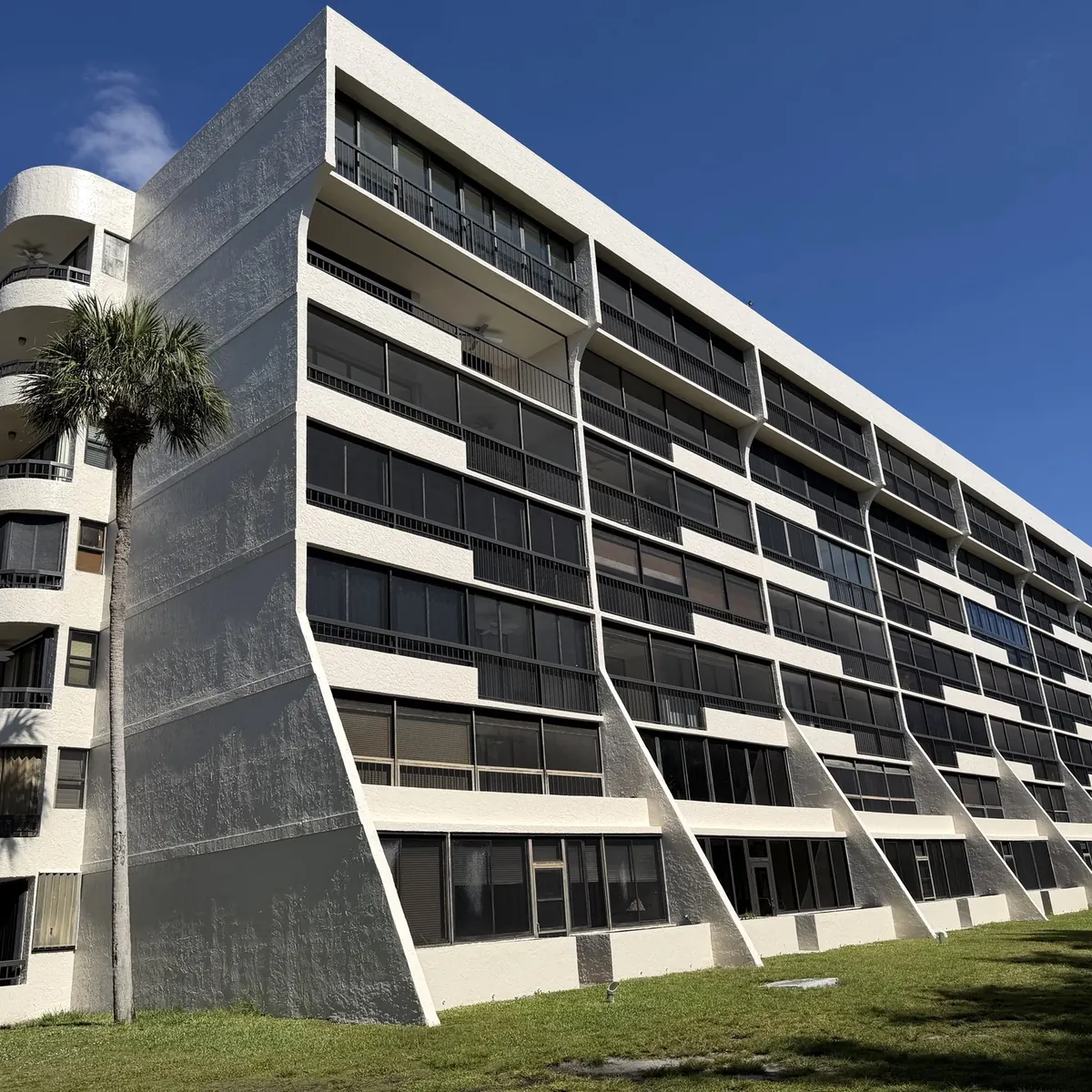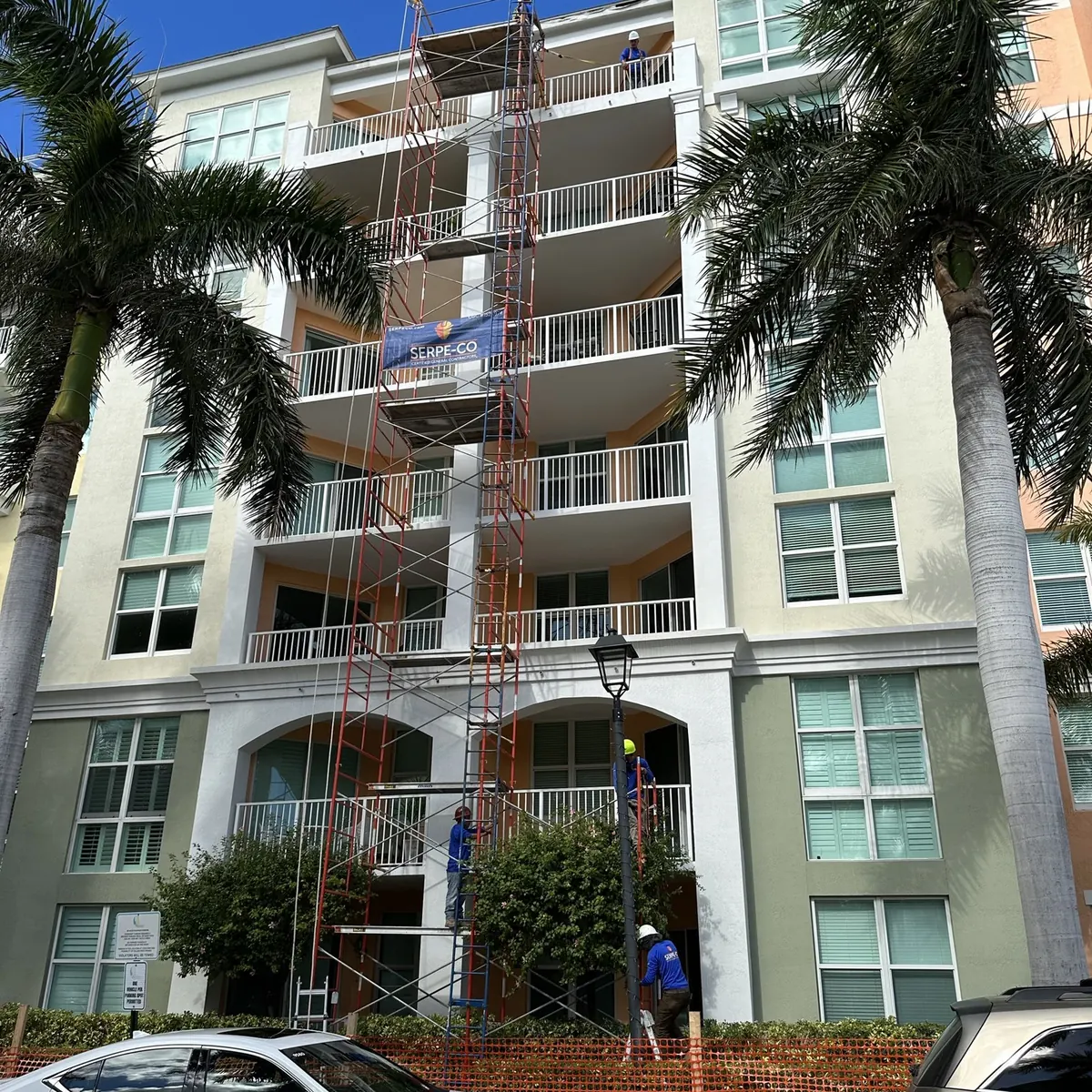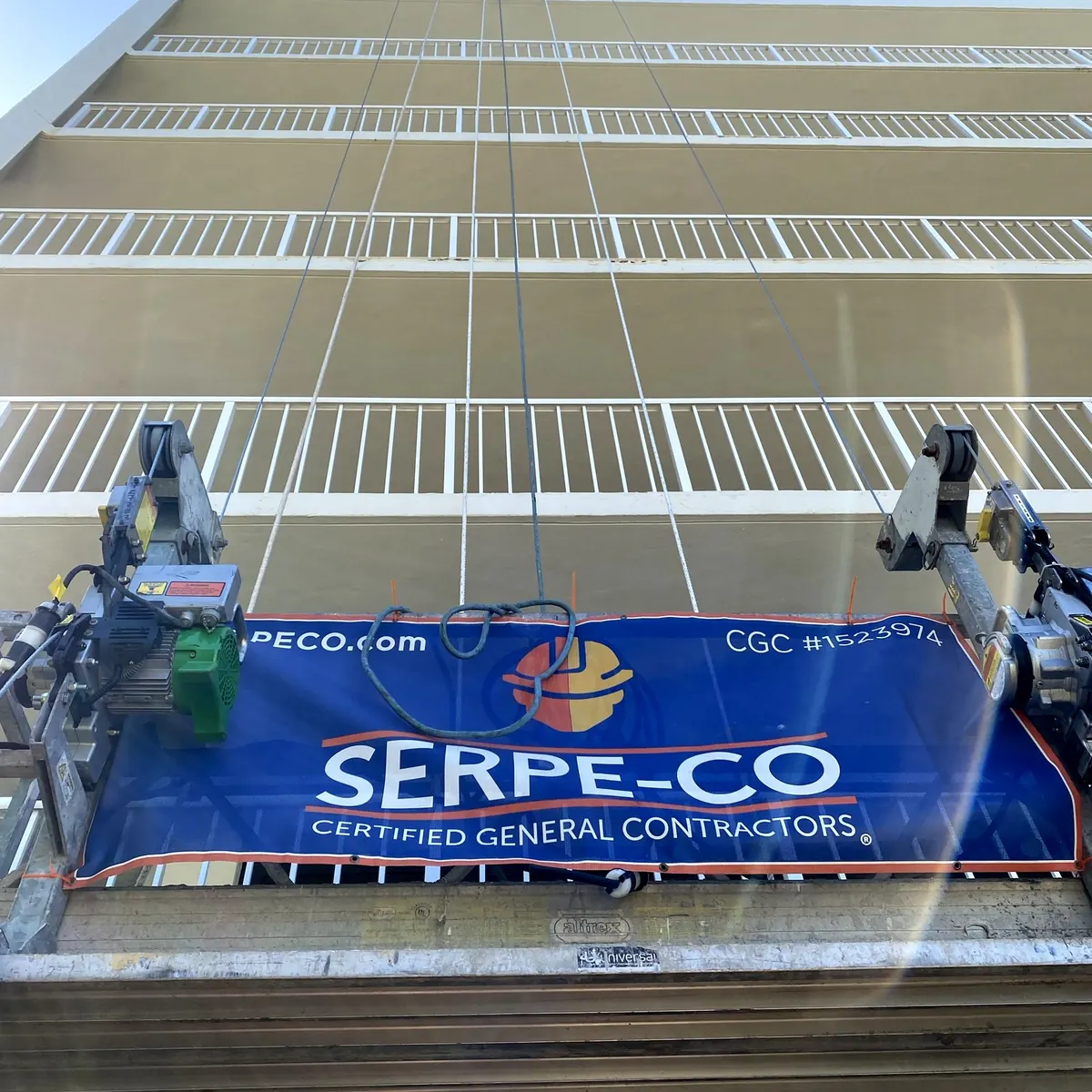
For decades, condo boards in Miami-Dade heard one phrase whenever an older building came up: the 40 year recertification. The name stuck, but the rules behind it have changed. The county now starts the clock earlier, Florida has added its own milestone inspection law, and Broward runs a separate 25-year program. Below is what each program asks of a board, what kinds of repairs usually follow, and how to get from the engineer's report to a closed permit. SERPE-CO is the contractor that builds those repairs; licensed engineers and architects perform the inspections.
Where the 40-year recertification came from
Miami-Dade's building recertification program is set out in Section 8-11(f) of the Code of Miami-Dade County and dates to 1975. For most of its history, a building came due when it turned 40, which is why owners, managers and lenders still call it the 40-year recertification.
The ordinance was amended effective June 1, 2022. In the same year, the Florida Legislature passed Senate Bill 4-D, which created the statewide milestone inspection for condominium and cooperative buildings. The county's guidance for design professionals describes the change plainly: the recertification cycle was reduced from 40 years to 30.
The 40 year recertification schedule today: 30, 25 and every 10 years
The county's recertification page lists the current schedule. In short:
- Most buildings built on or after 1993 are recertified when they reach 30 years, then every 10 years for the life of the structure.
- Condominium and cooperative buildings of three or more stories within three miles of the coastline, built on or after 1998, are recertified at 25 years.
- Buildings from 1983 through 1992, and coastal condo and co-op buildings from 1983 through 1997, had a recertification deadline of December 31, 2024.
- Buildings from 1982 or earlier that were already recertified under the old 40-year program keep their established schedule, with the next recertification 10 years after the previous due date.
- Exempt: single-family homes, duplexes, and buildings of 2,000 square feet or less with an occupant load of 10 or less.
When a building comes due, the building official sends a Notice of Required Recertification. Structural and electrical reports from a Florida-registered engineer or architect must be submitted within 90 days of the notice. Threshold buildings are inspected by a structural engineer and an electrical engineer.
Miami-Dade has 35 municipalities, and each municipal building official has jurisdiction over recertification inside its city limits, while the county handles unincorporated areas. A condominium in Sunny Isles Beach answers to a different office than one in Coral Gables, so the board should confirm its dates with its own building department. The official schedule is on the Miami-Dade County building recertification page.
How the county program relates to the state milestone inspection
Florida Statute 553.899 created the milestone inspection for buildings three or more habitable stories high that are wholly or partly a residential condominium or cooperative. The first milestone is due by December 31 of the year the building reaches 30 years from its certificate of occupancy, then every 10 years. The local enforcement agency may require the first one at 25 years based on local conditions, such as proximity to salt water. You can read the current text at Florida Statute 553.899.
The state inspection has two parts. Phase 1 is a visual examination by a licensed engineer or architect. Phase 2 follows only when Phase 1 finds substantial structural deterioration, and it can include destructive or nondestructive testing chosen by the inspector.
Miami-Dade describes its own program as meeting and exceeding the state law, and the county combines Phase 1 and Phase 2 into a single inspection event. The county program also covers far more building types than the state law does: offices, warehouses, hotels and retail buildings all come due, not only condominiums. One building can be subject to both programs, which is one reason our milestone inspection guide lays the rules side by side.
Broward's 25-year program and Palm Beach County
Broward County's Building Safety Inspection Program is set by Board of Rules and Appeals Policy 05-05, most recently amended August 9, 2024, and enforced by the local building official. A building receives a structural and electrical inspection by a licensed engineer or architect at 25 years from its certificate of occupancy, and again every 10 years from the year the first inspection was required.
Policy 05-05 gives the owner or association 180 days after the notice to hire the engineer or architect and return the required forms. When repairs are needed, the owner has 180 days from the report to complete them, unless the building official sets another timeframe, and longer schedules can be approved with an active permit. After the work, the engineer re-inspects the repaired areas and issues an amended report with a sealed letter stating the building is acceptable for continued use.
Palm Beach County has no single countywide recertification program. In unincorporated areas, the county Building Division applies the state milestone rule: 25 years for condo and co-op buildings of three or more stories within three miles of a coastline, 30 years farther inland. Cities set their own rules, and Boca Raton runs its own recertification program.
What repairs usually follow a recertification report
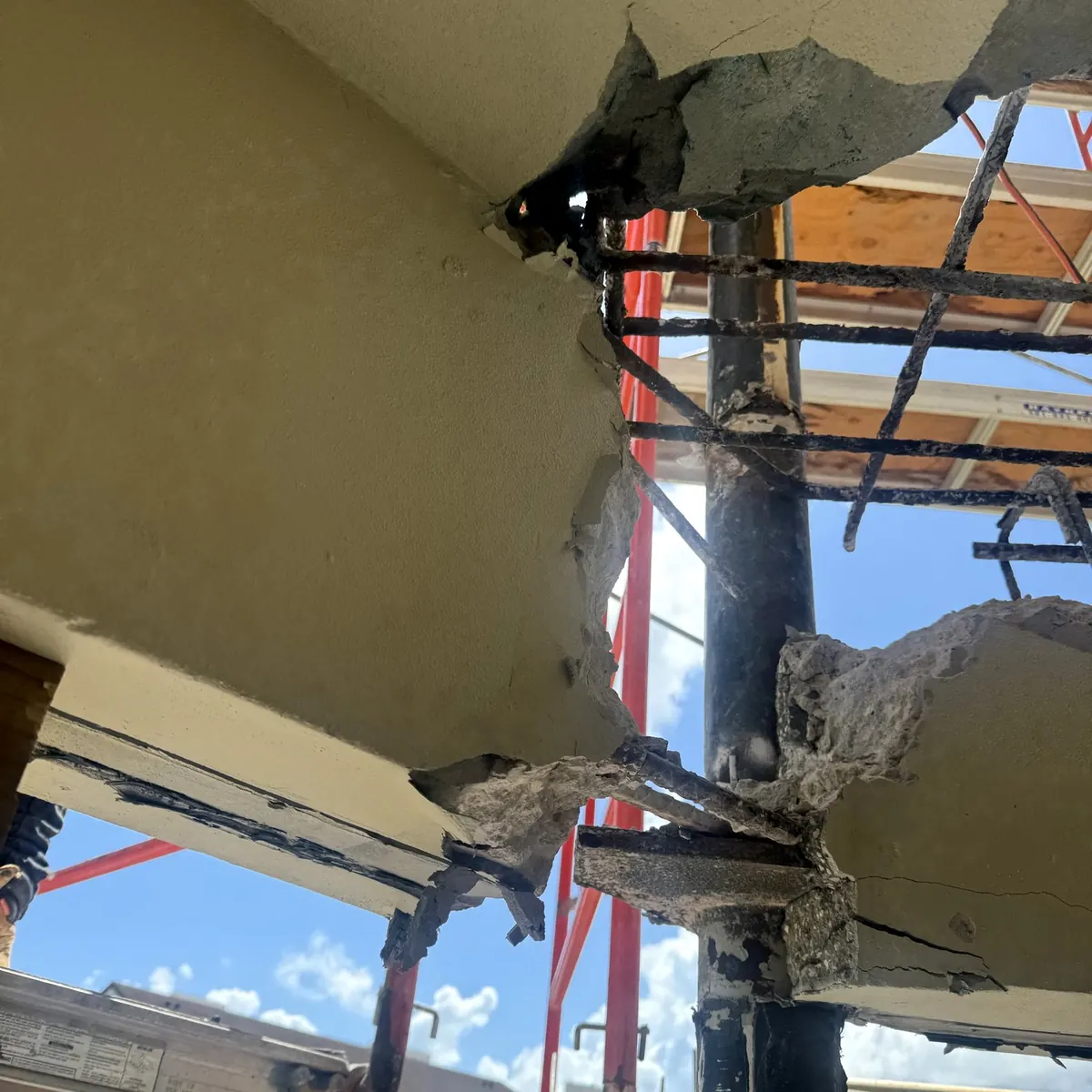
A recertification report tells the board what the engineer found. On coastal concrete buildings, the repair lists we build from tend to include the same families of work:
- Concrete spalls and corroded reinforcing at balcony slab edges, columns, beams and walkways. Our post on spalling concrete explains why salt air drives this damage.
- Balcony railings and post pockets, where water collects around the base of each post and cracks the slab.
- Parking garage slabs and beams, often with a new traffic coating once the concrete is sound.
- Pool decks and planters over occupied space, where a failed membrane leaks into the structure below. See pool deck resurfacing for how those decks are rebuilt.
- Sealants, expansion joints, stucco cracks and coatings, the waterproofing details that keep water away from the steel.
- Electrical and site items. The county process also checks parking lot lighting and, where a lot borders a canal or lake, guardrails.
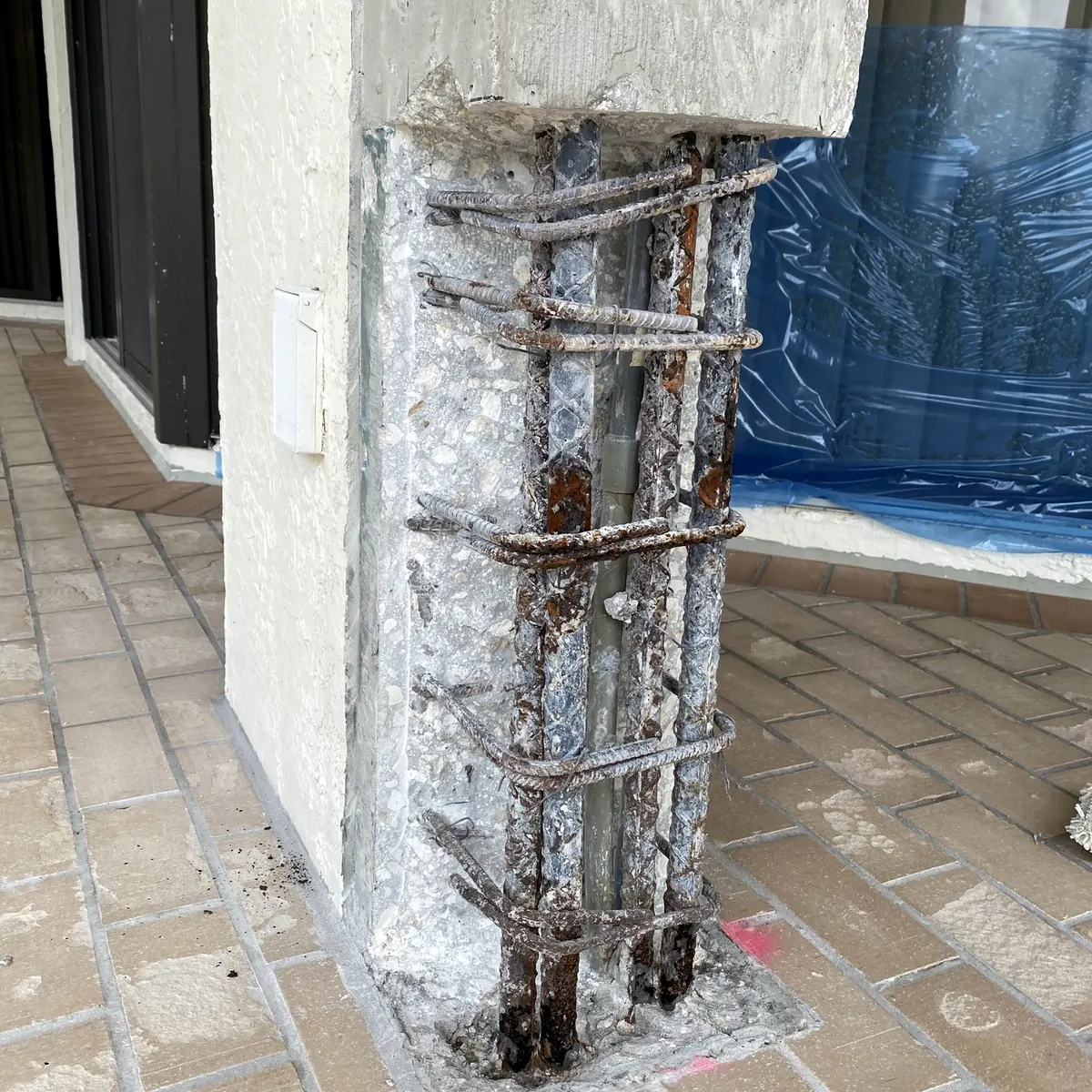
The engineer sets the scope and the repair details. SERPE-CO's role is to build them: open the concrete to sound material, clean or replace the steel the engineer calls for, restore the section, and seal it so water does not start the cycle again. Our milestone and recertification repair service covers that work from permit to sign-off.
From the report to a closed permit
An inspection report is not a set of construction documents. Most boards engage the engineer for a second scope: a closer survey, repair drawings, specifications and a bid form with estimated quantities by location. When every contractor prices the same documents, the board can compare bids line by line.
Florida Statute 553.899 requires any contractor or design professional bidding on the recommended repairs to disclose in writing any relationship with the firm that did the inspection. Collect those disclosures with every bid.
Timing matters in Miami-Dade. The county's guidance tells design professionals not to start repairs before the reports are submitted and a permit is issued. The county allows an extension of up to 60 days to submit reports or obtain the repair permit, and up to 180 days to finish repairs under a valid permit when the design professional files an affidavit that the building can stay occupied.
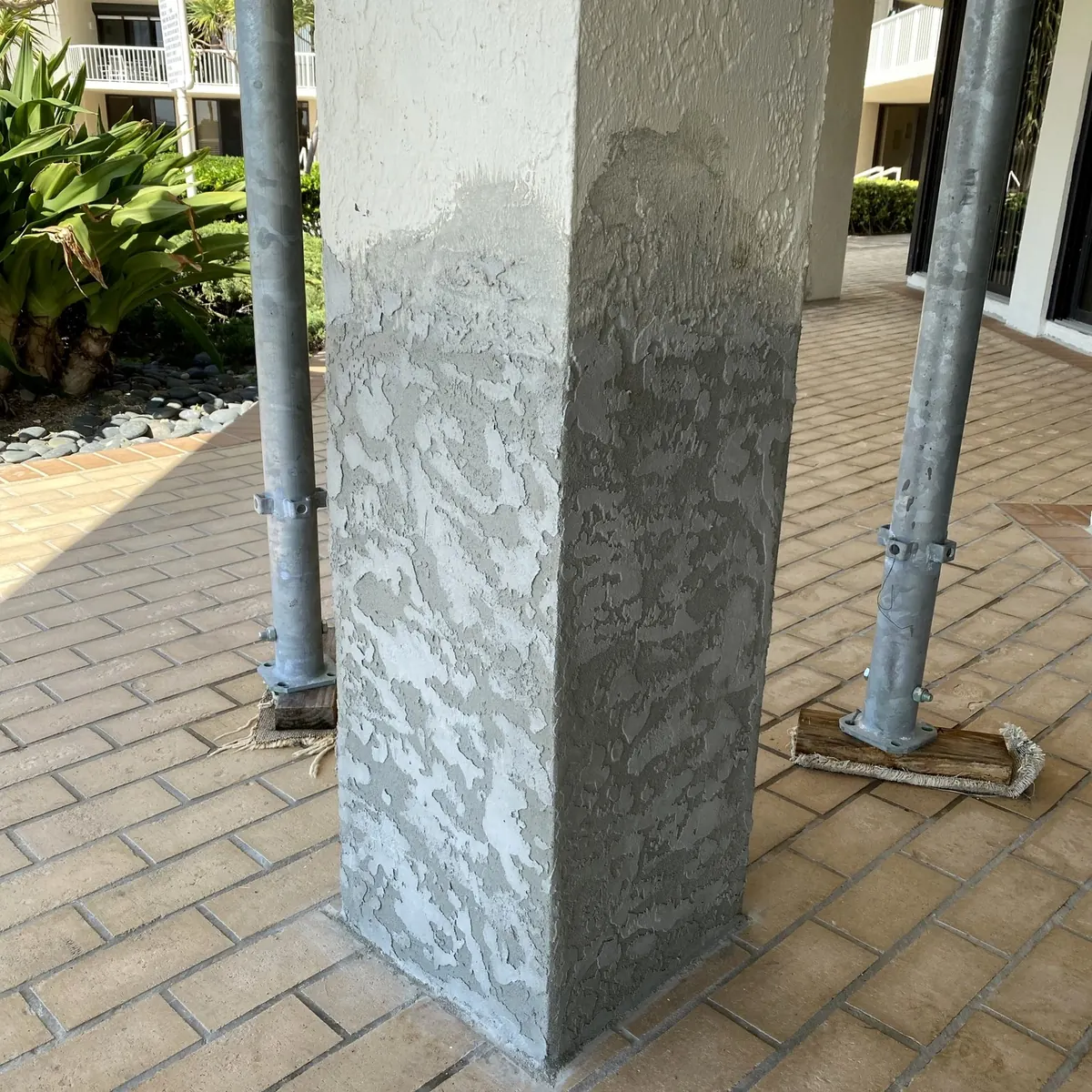
Concrete restoration also holds surprises. Once deteriorated concrete comes out, the engineer may find more corroded steel than the survey showed, so quantities are measured in the field and approved as the job goes. The engineer inspects at the stages the specification requires, the building department's inspections are passed, and the permit is closed. Keep those records for the next recertification and reserve study.
Planning ahead for the next 40-year recertification cycle
Time is the board's best tool. Pull the certificate of occupancy date for each building, then ask the building official which schedule applies: the county program, the state milestone, a 25-year local rule, or more than one at once.
Condominium associations should also line the recertification up with the structural integrity reserve study that Florida Statute 718.112(2)(g) requires at least every 10 years for buildings of three or more habitable stories. The inspection says what is wrong now; the reserve study plans for what each component will need later. Funding decisions follow, and our post on the special assessment condo boards face after repairs covers how phasing and early planning help.
Phasing can spread the work across more than one budget year when the engineer agrees and the deadlines allow. Repair costs rise the longer damage waits, so an early start usually leaves the board with more options.
How SERPE-CO can help
SERPE-CO is a family-owned Florida Certified General Contractor, CGC #1523974, based in Pompano Beach with more than 20 years in the field. We work closely with associations and their engineers to turn recertification reports into organized, permitted repair projects across Miami-Dade County, Broward and Palm Beach. If your board has a report in hand or a notice on the way, request a site visit or call (954) 718-3094.

CEO and co-founder of SERPE-CO, a family-owned Florida Certified General Contractor (CGC #1523974). In concrete restoration since 2005 and a contributor to the Florida Community Association Journal. This article is general information, not engineering or legal advice.