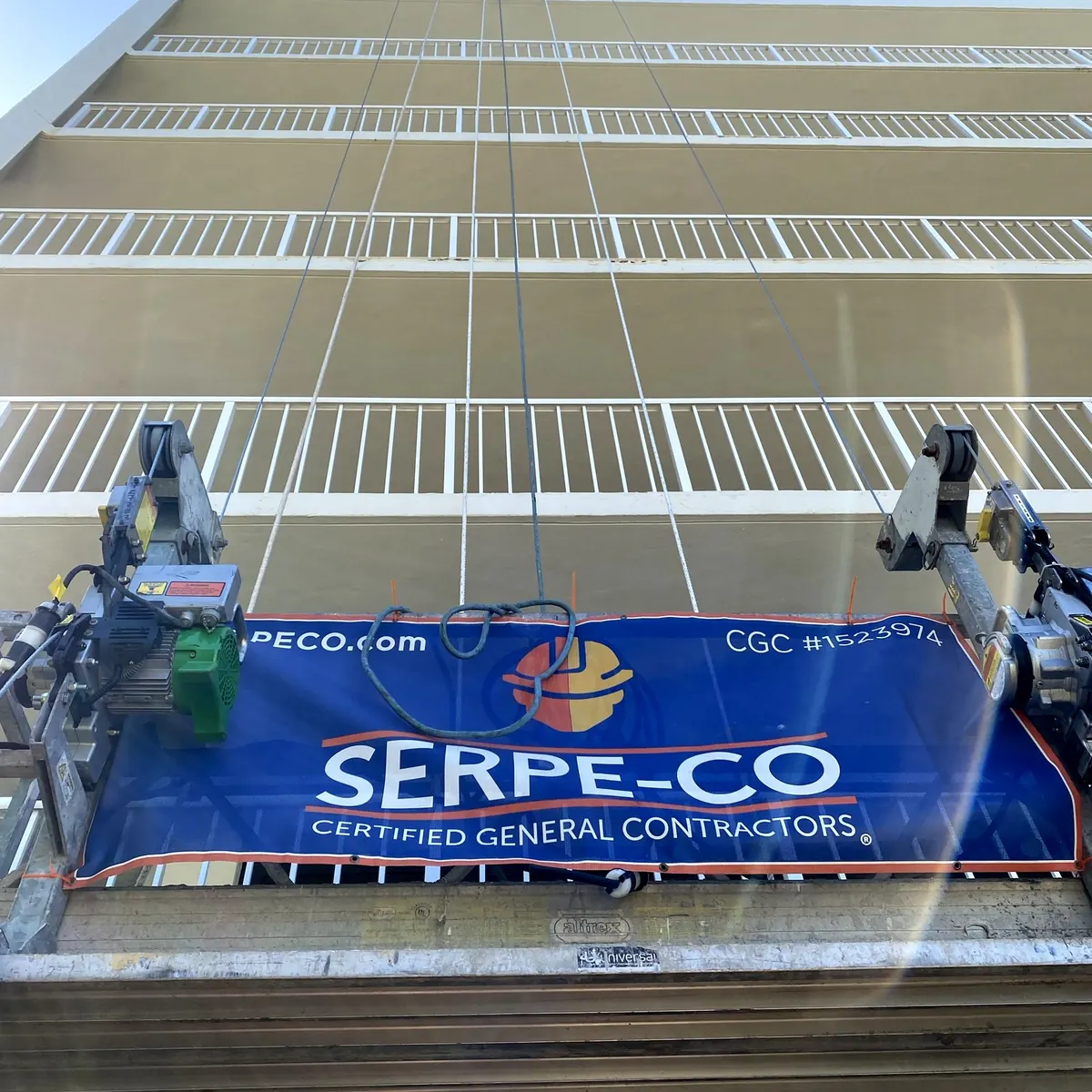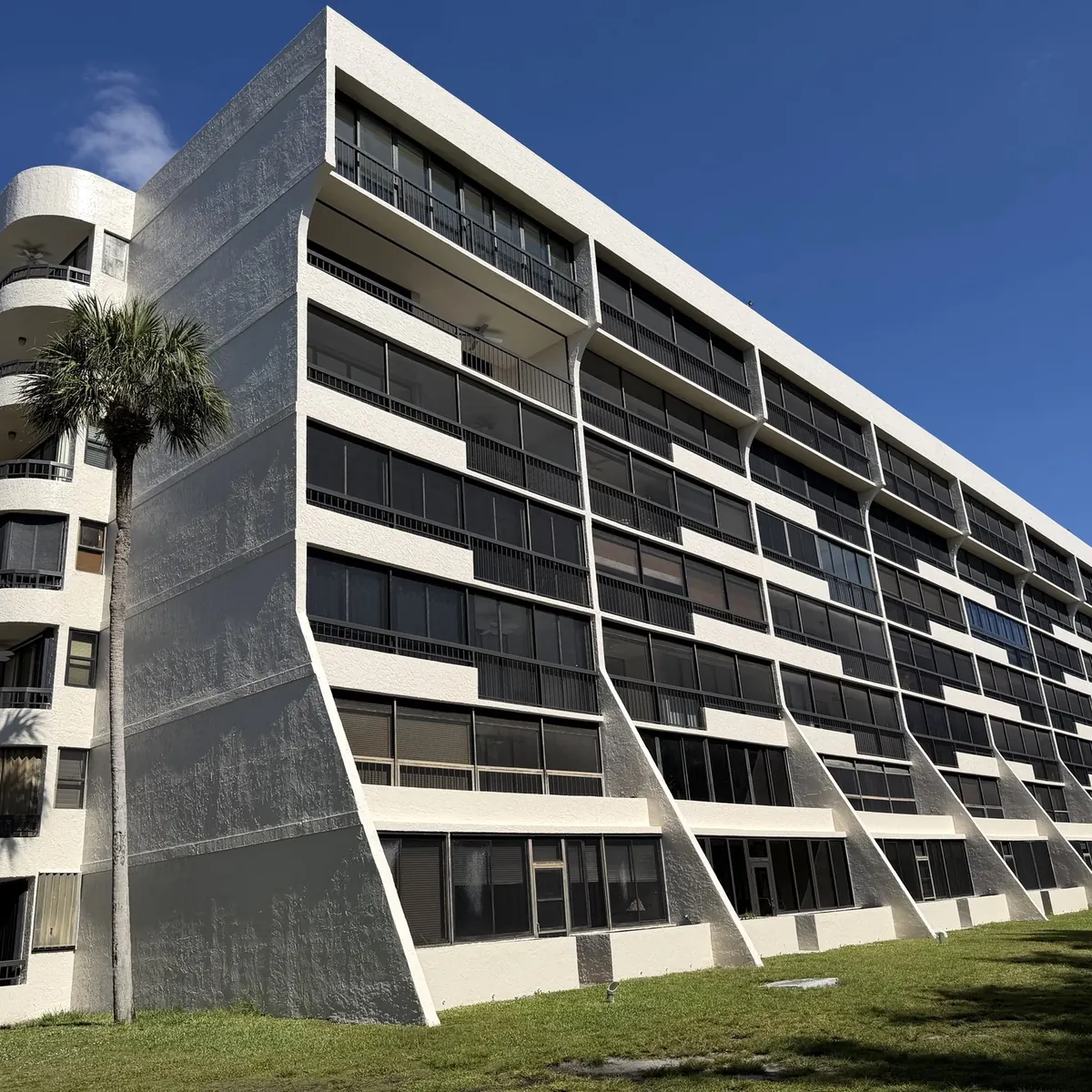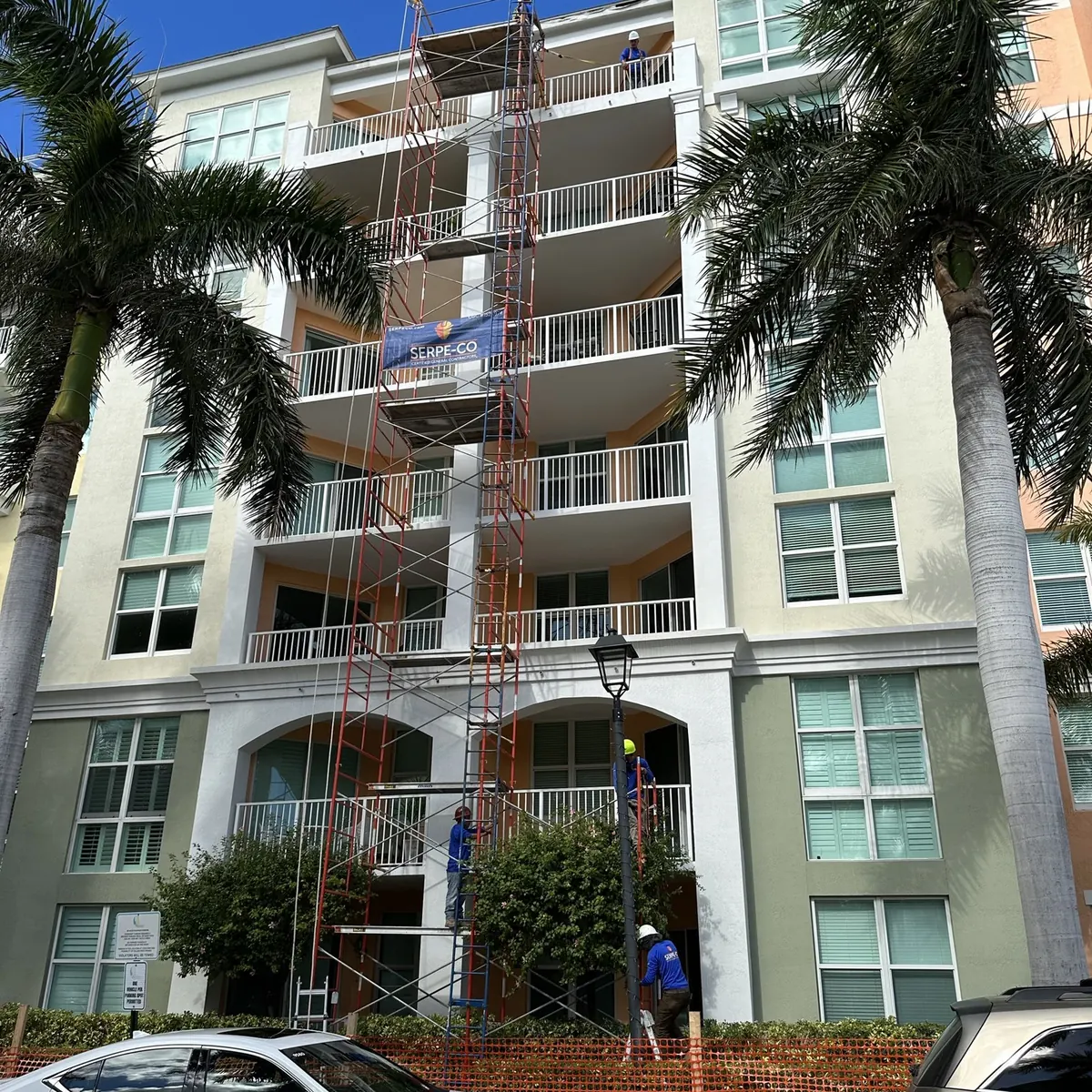
A Florida milestone inspection is a structural review that state law requires for many condominium and cooperative buildings. The rules sit in Florida Statute 553.899, and the deadlines are firm. Boards that know the sequence ahead of time make calmer decisions, keep owners informed and avoid paying for rushed work. Below are the eight steps we see on real buildings, from the first notice to the final closed permit.
SERPE-CO is a family-owned Certified General Contractor in Pompano Beach. Our crews build the repairs that follow these inspections. Licensed engineers and architects perform the inspections and write the repair scope. Nothing here is legal or engineering advice, so check the current statute with your attorney and engineer.
Which buildings need a Florida milestone inspection
Statute 553.899 applies to buildings three habitable stories or more in height that are wholly or partly a residential condominium or cooperative. The first inspection is due by December 31 of the year the building reaches 30 years from its certificate of occupancy, then every 10 years. The local enforcement agency may require the first one at 25 years based on local conditions such as salt water.
Counties layer their own programs on top. Miami-Dade and Broward run long-standing recertification programs, and Palm Beach County rules depend on whether the building is inside a city. Our milestone inspection guide lays out each county side by side.
The 8 steps of a Florida milestone inspection
- Find the certificate of occupancy date. Every deadline counts from it. The building department or the association's records will have it.
- Watch for the written notice. The local enforcement agency sends notice to the association. Unit owners must be told as well.
- Hire a Florida-licensed engineer or architect. The association arranges the inspection, and only a licensed professional can perform it.
- Phase 1, the visual review. The inspector looks at habitable and nonhabitable areas, including the major structural components.
- Phase 2, only if needed. Phase 2 follows when Phase 1 finds substantial structural deterioration.
- The sealed report. The report identifies deterioration, recommends repairs and states whether unsafe conditions were seen.
- Repair documents, bids and permits. The engineer prepares drawings and specifications, contractors price them, and the permit is issued.
- Repairs, inspections and close-out. The work is built, inspected and the permit is closed.
Phase 1: the visual review and its 180 days
Phase 1 must be completed within 180 days after unit owners receive the written notice from the local enforcement agency. The phase counts as complete when the inspector submits the report to that agency. Book the engineer early. Engineers who do this work in South Florida carry heavy calendars, and 180 days passes quickly once access, scheduling and owner notices are added in.
Help the inspector by gathering drawings, past reports, prior repair permits and any leak or spalling complaints from owners. A clear history saves time and points the inspector to the problem areas. If the inspector finds no signs of substantial structural deterioration, no Phase 2 is needed and the Florida milestone inspection is finished for that cycle.
Phase 2: testing when deterioration is found
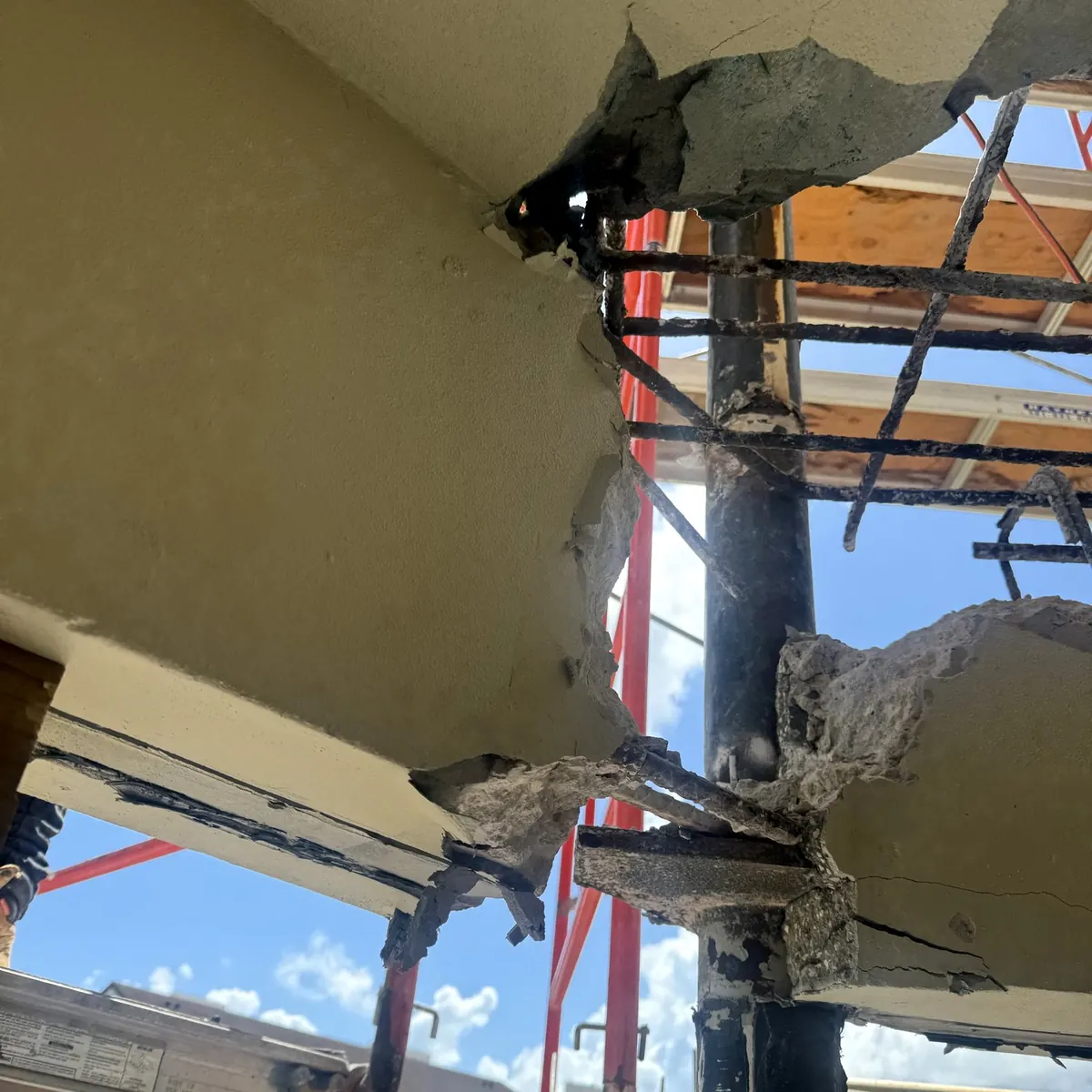
Phase 2 follows when Phase 1 finds substantial structural deterioration. The inspector decides its scope, which can include destructive or nondestructive testing at locations that are least disruptive and most easily repaired. A Phase 2 progress report with a completion timeline must reach the local enforcement agency within 180 days after the Phase 1 report is submitted.
Substantial structural deterioration has a specific meaning in the statute: structural distress or weakness that negatively affects the building's general structural condition and integrity. Cracks or peeling finishes alone do not count unless the inspector says they signal it. Boards should not guess at this line. The engineer makes that call.
What the Florida milestone inspection report means for repairs
The sealed report tells the board what was found. Most of the time it is not a set of construction documents. The usual next step is a separate engagement with the engineer to survey the building in more detail and prepare repair drawings, specifications and a bid form. Our post on reading a milestone inspection report walks through that hand-off.
Good bid documents list repair types and estimated quantities by location. Every contractor then prices the same work, and the board can compare proposals line by line. A contractor's job is to review those documents, walk the building and price the engineer's scope, not to rewrite it. SERPE-CO follows that rule on every project: the engineer always writes the scope.
Permits, phasing and living through the work
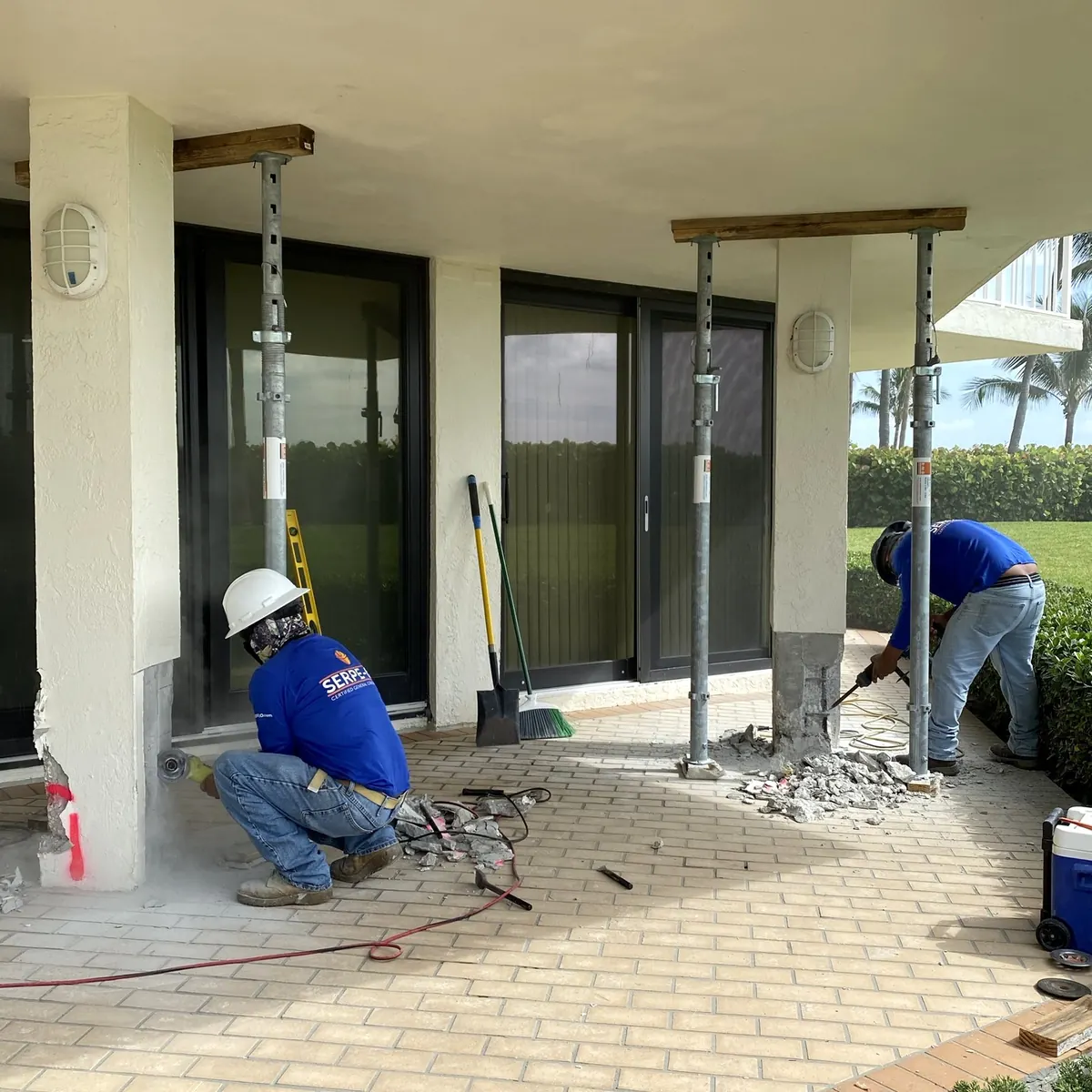
The engineer's drawings go to the building department, and work starts only once the permit is issued. On an occupied building, the job runs one stack, balcony line or garage section at a time. Shoring, overhead protection, barricades and owner notices go in before the first cut. Our post on concrete shoring explains why temporary supports come first.
Concrete repair holds surprises. Once deteriorated concrete comes out, the engineer may find more corroded steel than the survey showed. Quantities are measured in the field, approved and inspected at the stages the specification requires. Boards that expect this up front handle change orders without panic.
Plan the money alongside the inspection
The milestone law arrived with a companion requirement: the structural integrity reserve study, or SIRS, in Florida Statute 718.112. The inspection says what is wrong now, and the reserve study says what major components will need over their remaining life. Our post on the structural integrity reserve study covers how the two fit together.
Under Statute 718.112, reserves can be funded through regular assessments, special assessments, lines of credit or loans. A special assessment, line of credit or loan requires approval by a majority of the total voting interests. Time is the board's best tool, so start the money conversation as soon as the Phase 1 report arrives.
Common mistakes we see on the job site
Waiting for the certified letter is the most common mistake. Boards that start late compress the engineer's schedule, the bid period and the owner notices into a few months. Prices and calendars both tighten when every building on the coast is chasing the same deadline.
Bidding a report instead of repair documents is the second. A Phase 1 report describes conditions, but contractors cannot price "repair spalling as needed" in a way the board can compare. Ask the engineer for quantities by location first. Three proposals built on the same quantities tell the board far more than three guesses.
Patching to pass is the third. Cosmetic patches over corroded steel may look fine for a season, then fail and show up again in the next inspection cycle. Repairs built to the engineer's specification, with the water path closed afterward, are what carry a building to the next milestone.
A short checklist for board members
- Write the certificate of occupancy date and the first deadline in the board minutes.
- Hire the engineer before the notice arrives if your building is close to its milestone year.
- Collect drawings, prior reports and owner complaints for the inspector.
- Ask the engineer for repair documents with quantities by location before bidding.
- Bid the engineer's documents to licensed contractors and compare them line by line.
- Keep every report, permit and close-out letter for the next cycle and the reserve study.
How SERPE-CO can help
When the Florida milestone inspection calls for repairs, SERPE-CO prices the engineer's scope, plans access and phasing, pulls the permit as contractor and builds the work across Broward, Palm Beach and Miami-Dade. See our milestone inspection repairs service, then contact us or call (954) 718-3094.

CEO and co-founder of SERPE-CO, a family-owned Florida Certified General Contractor (CGC #1523974). In concrete restoration since 2005 and a contributor to the Florida Community Association Journal. This article is general information, not engineering or legal advice.