Milestone Inspection Repairs
Milestone Inspection & Recertification Repairs
We take the engineer's report through to permit closeout, on a timeline the board can plan for.
In short
What is milestone inspection repairs?
Milestone inspection repairs are the structural and building envelope fixes a contractor performs after a licensed engineer or architect finishes a milestone inspection and documents deterioration. Florida condominium and cooperative buildings three or more habitable stories tall need them whenever the engineer's phase one or phase two report calls for corrections, such as spalling concrete, rusted rebar or failed membranes.
Free milestone planner
Is a milestone inspection coming due on your building?
Enter the year your building got its certificate of occupancy and how many stories it has. The planner estimates your deadline under Florida law, then you can send it to SERPE-CO for a second look.
Add the year and story count for an estimated due date.
Want a second look at your timeline? Send your building details and SERPE-CO will follow up about the inspection, likely repairs and how to plan for them.
About this estimate
This is a planning estimate drawn from the statewide rule in Florida Statute 553.899. Your local building department sets the real deadline and may call for the first inspection at 25 years instead. Broward County also has its own Building Safety Inspection Program. Check your date with your building official and engineer, or contact SERPE-CO and we will help you sort it out.
Milestone & Recertification
Under Florida law, older condominium and cooperative buildings must now have structural milestone inspections. If the engineer's report lists repairs, SERPE-CO prices the engineer's scope, plans the schedule and builds the work, and stays on through final inspection.
With more than 20 years in the field, SERPE-CO handles milestone inspection repairs work from St. Lucie to Miami-Dade for condominium associations, property managers and owners of commercial buildings.

Reviewed by Brett Serpe, MBA, GC, CEO of SERPE-CO · Florida Certified General Contractor CGC #1523974
Prepared by the SERPE-CO project team, with more than 20 years in concrete restoration. Last reviewed November 2026.
Why it happens
What milestone inspections are, and what engineers usually find in them
Section 553.899 of the Florida Statutes sets the milestone inspection requirement for condominium and cooperative buildings with three or more habitable stories. A building first comes due at 30 years, or at 25 if the local agency requires it, with another inspection every 10 years after. A licensed engineer or architect performs it, not the contractor. Phase one is a visual review, and phase two follows when substantial structural deterioration turns up. Treat this as general information, not legal advice, and confirm what applies with your building official.
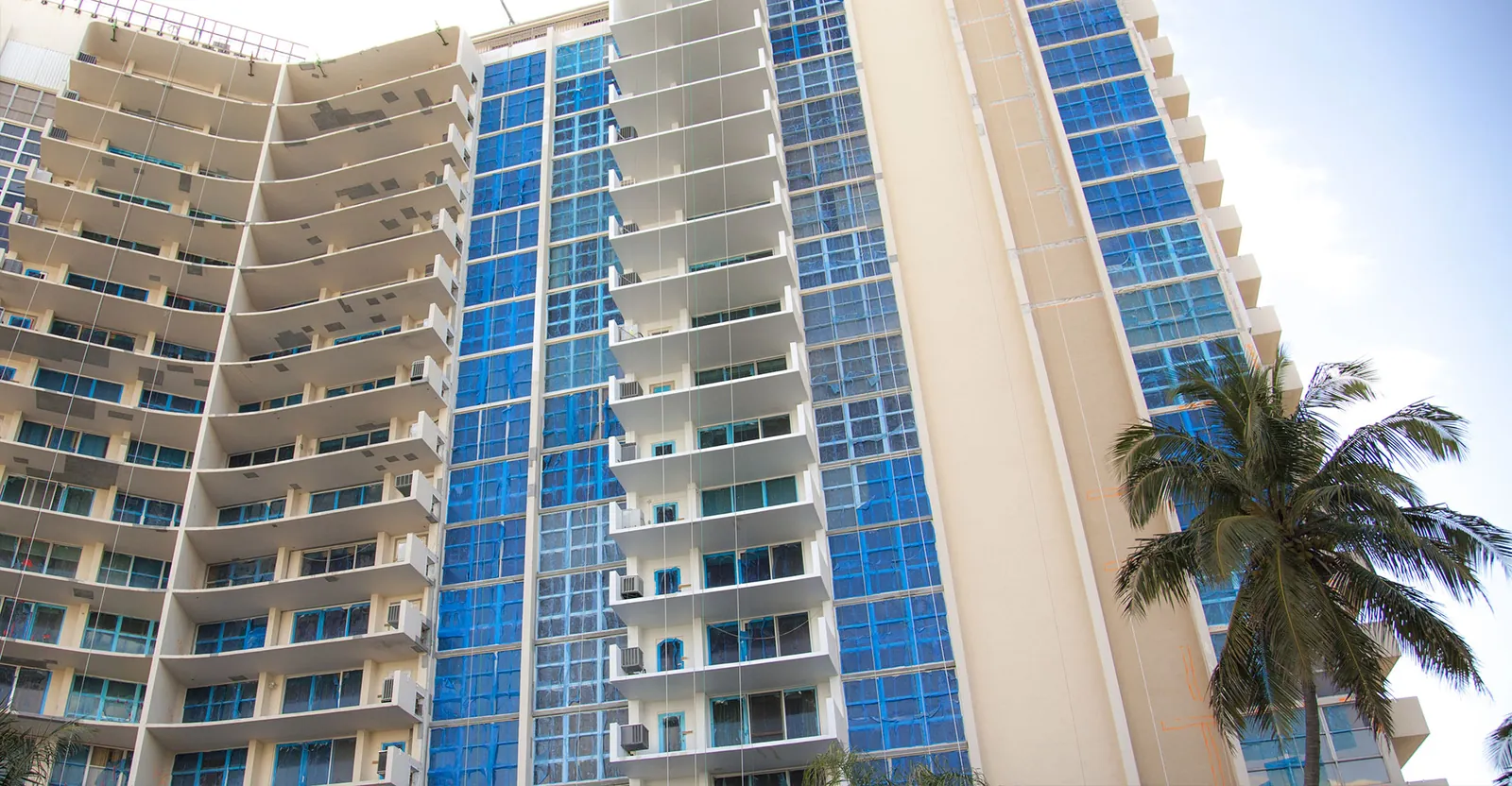
The timing follows the physics. After a few decades in salt air, chlorides have had long enough to reach the reinforcing in balconies, garages, columns and roof slabs, and rust that started out of sight begins to show as cracks and spalls. The sealants and membranes from original construction are long since worn out. A building inspected at that age usually shows damage that built up slowly, and the report lays it out as a clear list of repairs.
The work
Milestone Inspection Repairs: what the job covers
- 01Review of Phase 1 and Phase 2 engineering findings
- 02Engineer's scope priced, phased and scheduled for board approval
- 03Envelope, waterproofing and structural concrete repairs
- 04Permits and building department inspections
- 05Ongoing coordination with your engineer of record
- 06Project records for association files
How we do it
Turning the engineer's report into finished, permitted repair work
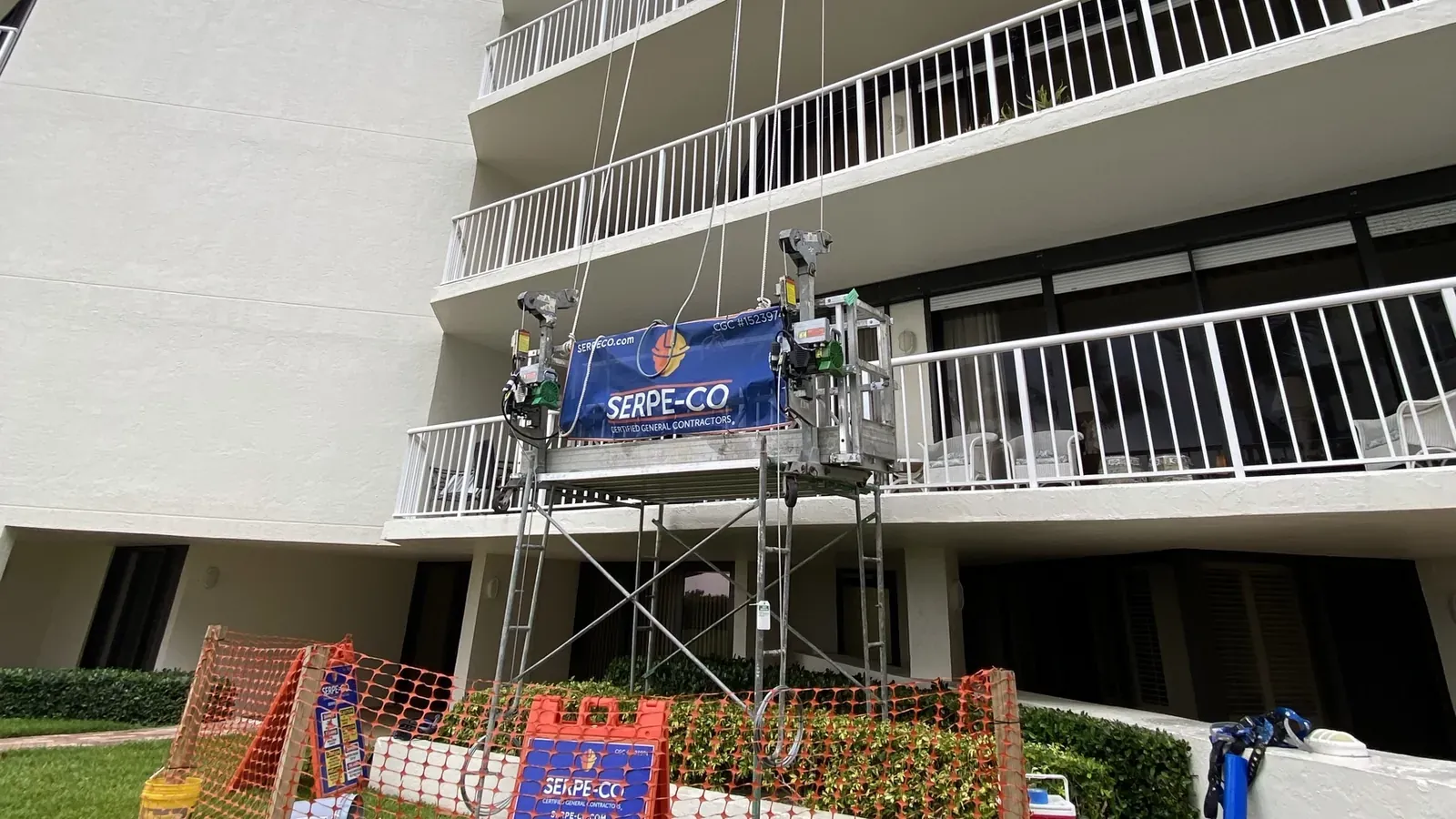
We start with the paperwork. Our team reads the engineer's report and repair drawings, walks the property with the engineer or the manager, and works out the access each area needs: swing stages on the elevations, shoring in the garage, protection over the entrances. Nobody knows the full extent of hidden damage until the concrete is opened, so repair quantities are usually estimated up front and then measured as work moves along, on a method the board, the engineer and SERPE-CO agree on beforehand.
The engineer's signed and sealed repair documents go in for permit, and then the phasing is set. Life-safety items and shoring usually lead, structural work follows one stack or elevation at a time, and membranes, sealants and coatings come last. Each repair is built to the engineer's details, through the sawcut, chipping, steel treatment and new material. At agreed hold points, typically once the steel is exposed and cleaned and before it is covered, the engineer inspects.
We keep records the whole way. Each repair location is logged with its dimensions and photos, so quantities can be checked and the association ends up with a history of what was repaired and where. At completion, the engineer issues any closing statement or report the building official asks for, the final inspections happen and the permit gets closed out. The board keeps a record it can lean on for reserve planning and when the next inspection comes around.
Materials we use
Repair systems an engineer's report typically calls for
Repair documents written after a structural inspection usually pull several material families into one specification. Concrete work is usually specified as polymer-modified mortar or a formed pour, each held to a strength and a shrinkage limit. Steel protection can include bar coatings, zinc anodes or migrating inhibitors. Balconies and decks are assigned a named membrane, walls a sealant and paint system, and garages a traffic coating with new joint seals. Each product, or a list of accepted equals, comes from the engineer of record.
Access equipment and temporary works count just as much. The building's height and shape decide between swing stages, mast climbers and scaffolding, shoring is designed for the loads it carries while members are open, and overhead protection covers entrances and walkways. When a report flags an unsafe condition, the engineer can require immediate shoring or restricted access before the main project starts. SERPE-CO treats safety as the first line of that plan, which is normally submitted with the permit documents.
Built to hold up
Reading a repair proposal, and keeping watch once crews are on the building
Proposals for repairs driven by an engineer's report are hard to compare unless every bidder prices the same basis. A good one follows the engineer's bid form item by item, listing field-measured work as unit quantities, such as linear feet of sealant or cubic feet of concrete patching, with access, shoring and protection shown as separate, clear allowances. A good proposal names products, sets out phasing and duration, and explains how overruns get approved before the extra work happens.
During milestone inspection repairs, lasting results depend on the engineer's hold points: exposed steel is looked at, prepared surfaces are checked ahead of any membrane, and finished work is reviewed before the stage moves to the next drop. SERPE-CO keeps the board informed with regular reports, engineer-verified quantities, an up-to-date schedule and photos tied to numbered locations. At closeout, the association should get one file holding permit records, product data, manufacturer warranty papers and the engineer's letter of completion. Filing requirements and deadlines come from the building official.
How we run a job
Scheduled around the residents and staff who use the building.
- 01
Meet on site
Each job starts on site, walking the property and its conditions with your manager, board or engineer.
- 02
Follow the engineer's scope
The engineer writes the scope. We price it line by line, plan access and lay out each phase to build it.
- 03
Put safety first
We can never work too safely: shoring, swing stages, barricades and notices go up first.
- 04
Build the repairs
Crews work through the repairs in order, stopping for inspections wherever the engineer calls for them.
- 05
Finish and document
Final inspections, a closed permit and a full record of the work for the association.
Counties we cover
Milestone Inspection Repairs, county by county
Summary
Milestone Inspection Repairs: what to remember
- 01
Licensed engineers or architects perform milestone inspections; the contractor's role is to carry out the repairs the report calls for.
- 02
Report quantities stay estimates until crews open the concrete, so they are measured and confirmed with the engineer as work proceeds.
- 03
Engineer hold points, before steel gets covered and before membranes go down, protect the quality of the repair work.
- 04
Closeout papers, including the completion letter and permit records, feed the association's reserve planning and the next inspection cycle.
Glossary
Words that show up in an engineer's report
- Engineer of record
- The licensed engineer whose seal is on the repair drawings, and who checks the work at each stage the permit sets out.
- Substantial structural deterioration
- Under Florida Statute 553.899, the condition, as judged by the engineer or architect, that triggers phase two of a milestone inspection after the visual phase one.
- Structural integrity reserve study
- A reserve study Florida Statute 718.112 requires at least once every 10 years for buildings three or more habitable stories tall. Finished repairs feed into its planning.
- Hold point
- A step where work pauses until the engineer or building inspector has looked at it, usually before steel or a prepared surface gets covered.
- Unit quantity
- A measured amount of repair, for example linear feet of sealant or cubic feet of concrete, that the engineer confirms as work moves along.
Questions
Milestone Inspection Repairs: questions boards ask
What does milestone inspection mean?
A milestone inspection is a structural review of a condominium or cooperative building three or more habitable stories tall, and a licensed engineer or architect must perform it. Phase 1 is visual. If Phase 1 finds substantial structural deterioration, a Phase 2 inspection with more detail is required.
What date is our inspection due?
Florida law puts the first inspection 30 years after the certificate of occupancy, with another every 10 years from then on. A local building department may move the first one to 25 years when conditions such as nearness to salt water warrant it. Your local building official decides the date for your building.
Does SERPE-CO carry out the inspection?
No. Only a licensed engineer or architect can perform a milestone inspection. SERPE-CO is the general contractor that builds the repairs the report requires, working side by side with your engineer until the job is complete.
What if the phase one inspection turns up no structural issues?
When the engineer or architect sees no signs of substantial structural deterioration during the visual review, no phase two inspection is needed, and the report is filed as the law provides. Even so, reports often note maintenance items such as sealant, coatings or small concrete repairs, and those are worth scheduling before they get bigger.
How can the scope change once the work starts?
An inspection report reflects only what the engineer could see and sound at the surface. Once the concrete is opened, corrosion often runs farther along the bar than the surface hinted, and now and then less far. For that reason quantities are measured and confirmed with the engineer as the work goes, and boards do well to plan for some variation.
How long does repair work take after a milestone inspection?
Timing depends on building size, how much damage the engineer's report lists and how many sides crews can work at once. The permit, access equipment and long-lead materials come before any concrete is opened. SERPE-CO builds an organized schedule from the engineer's quantities and updates it as real quantities are confirmed.
Which comes first for a board, the engineer or the contractor?
The engineer. The inspection is done by a licensed engineer or architect, and an engineer then writes the repair documents contractors bid on, so each bid prices an identical scope. SERPE-CO handles the repairs, not the inspection. Talking with a contractor early can still help the board think through access, phasing and how buildable the repair details are.
Do owners need to leave during the work?
Rarely. Residents stay home while crews move through the building by elevation or stack. Each balcony is closed only during its own repair, and owners hear from us before anything affects them. The board and manager approve the sequence and access plan first.
Will you coordinate with our engineer?
Always. SERPE-CO works closely with associations and professional engineers, building every structural repair to the engineer of record's specification and lining up their inspections as the job goes. No engineer yet? We can help you take the first step.
Industry standards and guides
- International Concrete Repair Institute (ICRI): repair guidelines for concrete
- American Concrete Institute (ACI): codes and guides for concrete construction and repair
- Florida Building Code
- Florida Statute 553.899: mandatory structural inspections for condominium and cooperative buildings
On every project, our repair methods and materials follow the engineer's specification, the product maker's requirements and the current building code. Treat this page as general information, not engineering advice.
Other services we provide
 Impact Windows & Doors
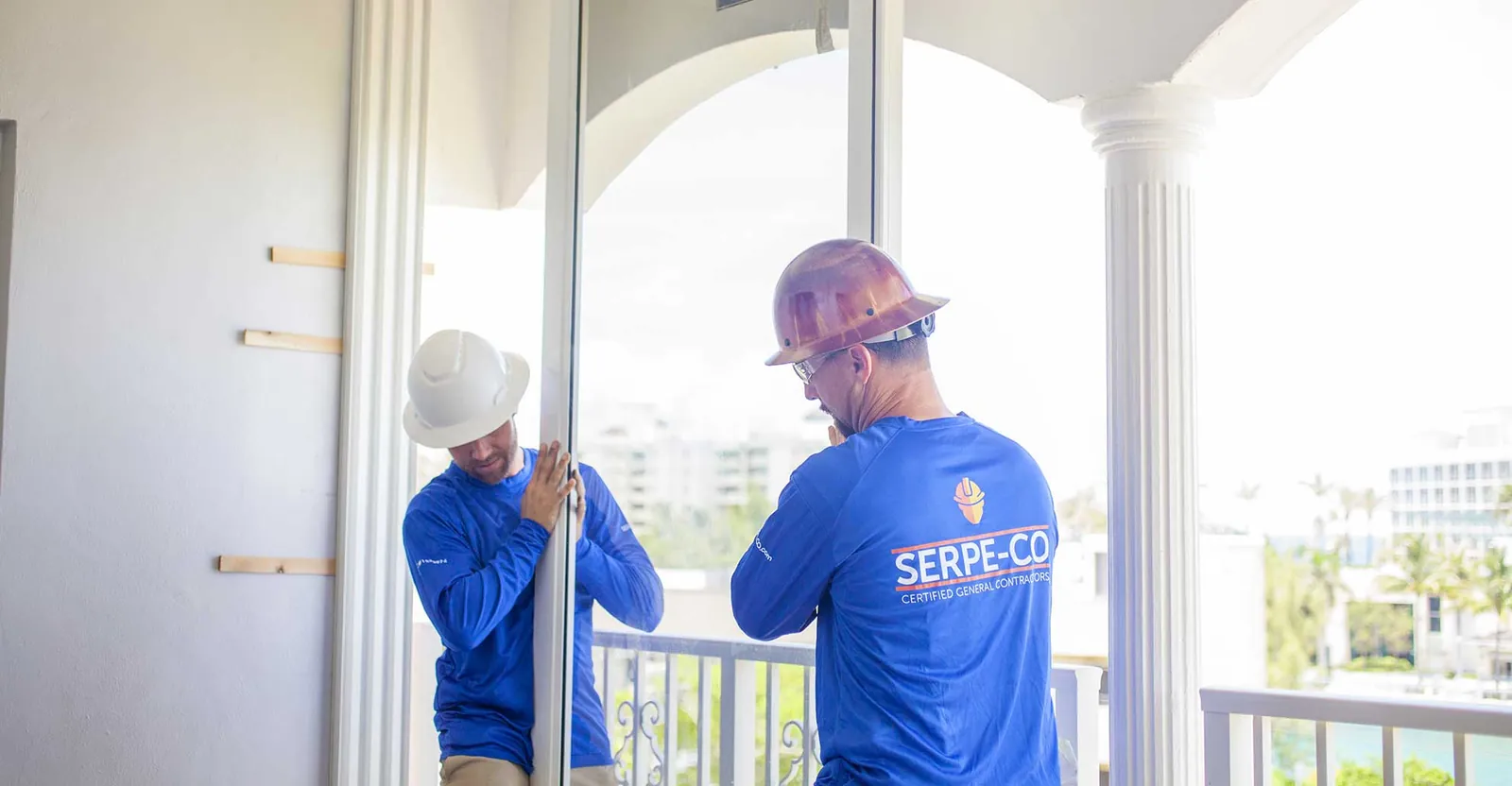
Hurricane-rated windows and doors set into properly repaired concrete openings.
 Balconies & Railings
Edges rebuilt, decks waterproofed, new railings set into sound concrete.
 Commercial Roofing
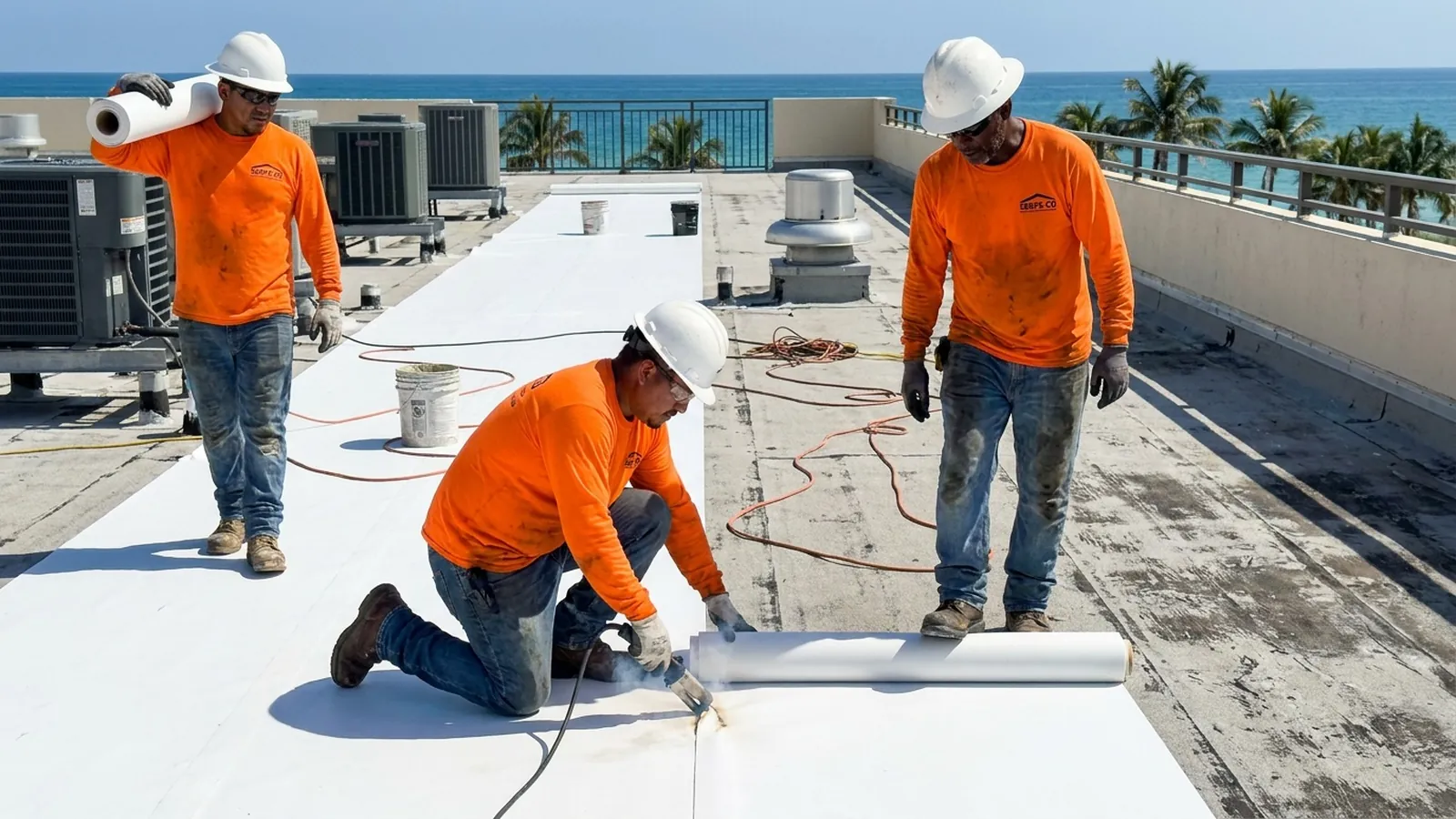
Low-slope roofs repaired, recoated or replaced per the consultant's spec, once the deck below is sound.
Working with an engineer?
Holding drawings, specifications or a complete set of bid documents?
Structural engineers, property engineers and board members send SERPE-CO much of our restoration, pool and roofing work. Once a scope has been drawn and specified, our team prices what the documents show, raises questions where something is unclear, and lays out each line so boards can weigh the bids on equal terms.
Request an estimate
Let's plan your restoration.
Tell us where the building is and what you are seeing. We set up a visit to the property, then send a written proposal, or tell you an engineer needs to write the scope first.
- More than 20 years in the field
- St. Lucie, Martin, Palm Beach, Broward and Miami-Dade
- Family-owned Certified General Contractor
Rather call?(954) 718-3094