A guide for condo and co-op boards
Milestone inspections, recertification and SIRS.
What Florida law and the three South Florida counties require of older condominium and cooperative buildings, and how a board gets from the engineer's report to a closed permit.
In short
What does a milestone inspection mean for a South Florida condo board?
A milestone inspection is a structural inspection of a condominium or cooperative building of three or more habitable stories, performed by a licensed engineer or architect under Florida Statute 553.899. The first one is due by December 31 of the year the building turns 30, or 25 if the local building department requires it, then every 10 years. Miami-Dade and Broward also run their own recertification programs, and condominium associations must keep a structural integrity reserve study current. A licensed contractor then builds the repairs the engineer specifies.
Free milestone planner
Is a milestone inspection coming due on your building?
Enter the year your building got its certificate of occupancy and how many stories it has. The planner estimates your deadline under Florida law, then you can send it to SERPE-CO for a second look.
Add the year and story count for an estimated due date.
Want a second look at your timeline? Send your building details and SERPE-CO will follow up about the inspection, likely repairs and how to plan for them.
About this estimate
This is a planning estimate drawn from the statewide rule in Florida Statute 553.899. Your local building department sets the real deadline and may call for the first inspection at 25 years instead. Broward County also has its own Building Safety Inspection Program. Check your date with your building official and engineer, or contact SERPE-CO and we will help you sort it out.
Guide
Milestone Inspections, Recertification and SIRS: A Guide for South Florida Condo Boards
Condo and co-op boards in Miami-Dade, Broward and Palm Beach counties answer to three overlapping sets of rules: a state structural inspection law, local recertification programs, and state reserve study requirements. A single building can fall under all three at once, each with its own deadlines.
SERPE-CO is a family-owned Florida Certified General Contractor, CGC #1523974, based in Pompano Beach. Our crews carry out the repairs that follow these inspections. We do not perform inspections or engineering; licensed engineers and architects do. The guide below explains the process as we see it from the job site.
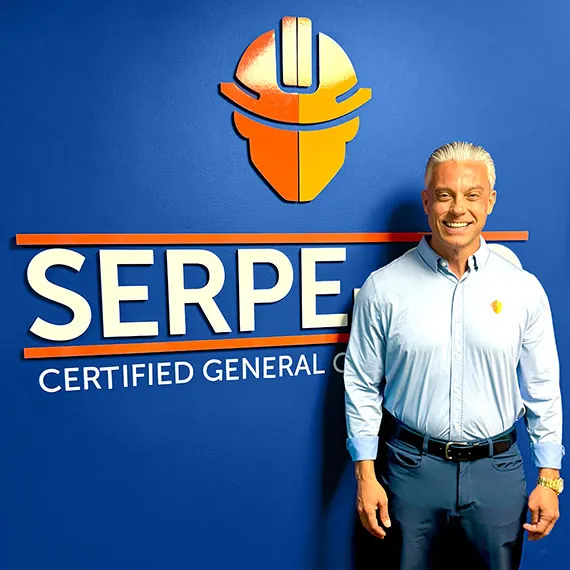
Reviewed by Brett Serpe, MBA, GC, CEO of SERPE-CO · Florida Certified General Contractor CGC #1523974
Prepared by the SERPE-CO project team, with more than 20 years in concrete restoration. Last reviewed November 2026.
The state law
Where the milestone law came from.
Florida's milestone requirement began with Senate Bill 4-D, passed in a 2022 special session after the 2021 partial collapse of Champlain Towers South in Surfside. The Governor approved the bill on May 26, 2022, and it became chapter 2022-269, Laws of Florida, creating Florida Statute 553.899 and the structural integrity reserve study in Statute 718.112.
The Legislature has revised both statutes several times since. SB 154 in 2023 (chapter 2023-203), HB 1021 in 2024 (chapter 2024-244) and HB 913 in 2025 (chapter 2025-175) all amended Statute 553.899, and Statute 718.112 was amended again in 2026. Read the current text, not an old summary.
Statute 553.899 applies to buildings three habitable stories or more in height that are wholly or partly a residential condominium or cooperative. The association arranges the milestone inspection, and a Florida-licensed architect or engineer performs it. The first milestone inspection is due by December 31 of the year the building reaches 30 years from the date its certificate of occupancy was issued, and every 10 years after that. The local enforcement agency may require the first one at 25 years based on local conditions such as salt water.
Phase 1 and Phase 2
How the inspection itself works.
Phase 1 is a visual examination of habitable and nonhabitable areas, including the major structural components, with a qualitative assessment. Phase 1 must be completed within 180 days after unit owners receive the written notice from the local enforcement agency, and it counts as complete when the inspector submits the report to that agency. If the inspector finds no signs of substantial structural deterioration, no Phase 2 is needed.
Phase 2 follows when Phase 1 does find substantial structural deterioration. The inspector decides its scope, which can include destructive or nondestructive testing at locations that are least disruptive and most easily repaired. A Phase 2 progress report with a completion timeline must reach the local enforcement agency within 180 days after the Phase 1 report is submitted.
Substantial structural deterioration means structural distress or weakness that negatively affects the building's general structural condition and integrity; cracks or peeling finishes alone do not count unless the inspector says they signal it. The sealed report must identify any such deterioration, recommend repairs and state whether unsafe or dangerous conditions were observed.
Reserve studies
The structural integrity reserve study.
Florida Statute 718.112(2)(g) requires a residential condominium association to complete a structural integrity reserve study, or SIRS, for each building of three or more habitable stories, at least every 10 years. The study may be prepared by a Florida-licensed engineer or architect, or by a reserve specialist or professional reserve analyst certified by the Community Associations Institute or the Association of Professional Reserve Analysts.
The SIRS covers the roof; the structure, including load-bearing walls and primary structural members and systems; fireproofing and fire protection systems; plumbing; electrical systems; waterproofing and exterior painting; windows and exterior doors; and any other item above the statute's cost threshold whose failure would affect those components.
Associations that existed on or before July 1, 2022 and are controlled by unit owners had to complete their first SIRS by December 31, 2025. An association that must also complete a milestone inspection by December 31, 2026 may do both together, but the study may not be completed after that date. A qualifying milestone inspection from the past 5 years can replace the visual portion of the SIRS.
The milestone report and the SIRS work together. The inspection report says what is wrong with the building now; the reserve study says what each major component will need over its remaining life. Cooperative boards should ask their attorney which reserve rules in Chapter 719 apply to them.
County programs
Miami-Dade, Broward and Palm Beach.
Miami-Dade County
Miami-Dade's building recertification program, set out in Section 8-11(f) of the county code, dates to 1975 and was long called the 40-year recertification. Since a June 1, 2022 amendment, buildings are recertified at 30 years and every 10 years after. Condominium and cooperative buildings three stories or taller within three miles of the coastline and built in 1998 or later are recertified starting at 25 years.
The Miami-Dade program reaches far more than condominiums; only single-family homes, duplexes and very small buildings are exempt. Owners submit separate structural and electrical reports, and needed repairs must be permitted before the building can be recertified.
Broward County
Broward's Building Safety Inspection Program is set by Board of Rules and Appeals Policy 05-05, most recently amended August 9, 2024, and enforced by the local building official. A building or structure receives a structural and electrical inspection by a licensed engineer or architect at 25 years from its certificate of occupancy, and again every 10 years from the year the first one was required.
Under Policy 05-05, the owner or association has 180 days after the notice to hire the engineer or architect and return the required forms. When repairs are needed, the owner has 180 days from the report to complete them unless the building official sets another timeframe, and longer schedules can be approved with an active permit.
Palm Beach County
Palm Beach County has no single countywide recertification program. The county Building Division administers the state milestone requirement only in unincorporated areas, where condominium and cooperative buildings of three or more stories within three miles of a coastline are first inspected at 25 years and those farther inland at 30, then every 10 years.
Inside city limits, the municipal building official sets the rules. Boca Raton runs its own Building Recertification Inspection Program for condominium and cooperative buildings of three or more stories or 50 feet, at 30 years or at 25 within three miles of the coast.
After the report
From the engineer's report to a closed permit.
A milestone inspection report tells the board what was found; it is not a set of construction documents. The next step is usually a separate scope with the engineer to survey the building in more detail and prepare repair drawings, specifications and a bid form. Good bid documents list repair types and estimated quantities by location, so every contractor prices the same work and the board can compare bids line by line.
Permits come next. The engineer's drawings go to the building department, and work starts only once the permit is issued. On an occupied building, the job is phased one stack or garage section at a time, with shoring, overhead protection and notices in place before the first cut.
Concrete restoration holds surprises. Once deteriorated concrete is removed, the engineer may find more corroded steel than the survey showed, so quantities are measured in the field and approved, and the engineer inspects at the stages the specification requires.
Closing out matters as much as starting. The building department's inspections must be passed, the engineer confirms the repairs are complete, and the permit is closed. In Broward, Policy 05-05 calls for the engineer to re-inspect the repaired areas and issue an amended report with a sealed letter stating the building is acceptable for continued use. Keep these records for the next reserve study.
Planning the budget
Budget and funding conversations, without guesswork.
The board's best planning tool is time. Knowing the certificate of occupancy date years ahead lets the board schedule the inspection, the reserve study and the likely repairs in a sensible order, instead of reacting to a certified letter.
Under Florida Statute 718.112, reserves can be funded through regular assessments, special assessments, lines of credit or loans, and a special assessment, line of credit or loan requires approval by a majority of the total voting interests. Reserve funds for the SIRS components may be used only for the replacement or deferred maintenance of those components.
For budgets adopted on or before December 31, 2028, an association that completed a milestone within the previous two calendar years may, with approval by a majority of the total voting interests, pause or reduce reserve contributions for up to two consecutive annual budgets to fund the recommended repairs. A new reserve study must be done before contributions resume.
Phasing is a budget tool as well as a safety tool. Splitting a project by building, elevation or component lets the board match the work to funding over more than one budget year, as long as the engineer agrees and the deadlines are met.
Owners take hard news better when they hear it early. Share the inspector's summary, hold an owner meeting with the engineer present, and bring the attorney, accountant and reserve professional into funding discussions; SERPE-CO can explain the construction sequence and phasing.
Timeline
A board checklist, start to finish.
- 01
Find your dates
Pull the certificate of occupancy date for each building and ask the building official which rule applies: the state schedule, a 25-year local schedule, a county recertification program, or more than one.
- 02
Notice arrives
The local enforcement agency sends written notice by certified mail. The association notifies unit owners within 14 days, including the deadline to complete the inspection.
- 03
Phase 1
The board hires a licensed engineer or architect. Phase 1 is complete when the inspector submits the report to the local enforcement agency, within 180 days after owners receive the notice.
- 04
Phase 2, if required
When Phase 1 finds substantial structural deterioration, Phase 2 follows. A progress report with a completion timeline goes to the agency within 180 days after the Phase 1 report.
- 05
Share the findings
Within 45 days of receiving the report, the association sends the inspector's summary to every unit owner, posts it on the property and, if required to have a website, publishes the report there.
- 06
Design and bid
The engineer turns the findings into repair drawings and specifications. Contractors bid from the same documents and disclose any relationship with the inspecting firm.
- 07
Permit and build
Permits are issued before work starts. State law requires repairs to be commenced within 365 days after the agency receives the Phase 2 report, and local rules can be shorter.
- 08
Close out
The engineer re-inspects the repaired areas, the permit inspections are passed and the permit is closed. The completed repairs then feed the next update of the reserve study.
State deadlines are shown above. Miami-Dade, Broward and individual cities add their own notices and timeframes, so confirm each date with the building official.
Questions
Questions boards ask about inspections and reserves.
When is a milestone inspection required in Florida?
Under Florida Statute 553.899, a condominium or cooperative building of three or more habitable stories needs its first milestone inspection by December 31 of the year the building reaches 30 years from its certificate of occupancy, then every 10 years. The local enforcement agency may require the first one at 25 years, for example near salt water.
What is the difference between Phase 1 and Phase 2?
Phase 1 of a milestone inspection is a visual examination by a licensed engineer or architect. Phase 2 is required only if Phase 1 finds signs of substantial structural deterioration, and it can include destructive or nondestructive testing chosen by the inspector.
Is the state milestone the same as the 40-year recertification?
No. The state milestone program covers condominium and cooperative buildings of three or more habitable stories. Miami-Dade's county recertification, long called the 40-year program, now starts at 30 years, or 25 for coastal condo and co-op buildings, and Broward's program starts at 25. The county programs reach many other building types, so one building can be subject to both.
What is a SIRS and how often does a condo need one?
A structural integrity reserve study, or SIRS, is a reserve study required by Florida Statute 718.112(2)(g) for each condominium building of three or more habitable stories. The study covers the main building components and must be completed at least every 10 years.
How long does an association have to start repairs after the report?
State law requires repairs for substantial structural deterioration to be commenced within 365 days after the local enforcement agency receives the Phase 2 report. Local rules can be tighter: Broward's Policy 05-05 gives owners 180 days from the report to complete required repairs unless the building official sets another timeframe.
Can the inspecting engineer's firm also bid the repairs?
Florida Statute 553.899 requires any design professional or contractor who bids on the recommended repairs to disclose in writing their intent to bid and any relationship with the firm that performed the inspection. Boards should collect those disclosures with every bid. SERPE-CO is a contractor and does not perform inspections.
Can a condo board waive or reduce reserves for SIRS items?
For budgets adopted on or after December 31, 2024, a unit-owner-controlled association that must obtain a SIRS may not vote to waive or reduce reserves for the study components. The statute does allow a limited pause after a recent milestone, approved by a majority of the total voting interests, so money can go to the recommended repairs.
Regulations referenced
- Florida Statute 553.899: mandatory structural inspections for condominium and cooperative buildings
- Florida Statute 718.112: bylaws, including (2)(g) structural integrity reserve studies
- Florida Senate: SB 4-D (2022), Building Safety, chapter 2022-269
- Florida Senate: SB 154 (2023), Condominium and Cooperative Associations, chapter 2023-203
- Florida Senate: HB 1021 (2024), Community Associations, chapter 2024-244
- Florida Senate: HB 913 (2025), Condominium and Cooperative Associations, chapter 2025-175
- Miami-Dade County: building recertification
- Broward County Board of Rules and Appeals: Building Safety Inspection Program
- Broward County Board of Rules and Appeals Policy 05-05, as amended August 9, 2024
- Palm Beach County Building Division: condominium and cooperative structural inspections
- City of Boca Raton: Building Recertification Inspection Program
The information on this page is general, not legal or engineering advice, and the statutes and local rules change often. Inspections are performed by licensed engineers and architects, and your building official sets the dates that apply to your property. Confirm every requirement with your engineer, your association attorney and your building official. SERPE-CO is the contractor that carries out the repairs.
Request an estimate
Let's plan your restoration.
Tell us where the building is and what you are seeing. We set up a visit to the property, then send a written proposal, or tell you an engineer needs to write the scope first.
- More than 20 years in the field
- St. Lucie, Martin, Palm Beach, Broward and Miami-Dade
- Family-owned Certified General Contractor
Rather call?(954) 718-3094